Ode To Joy Facts For Kids
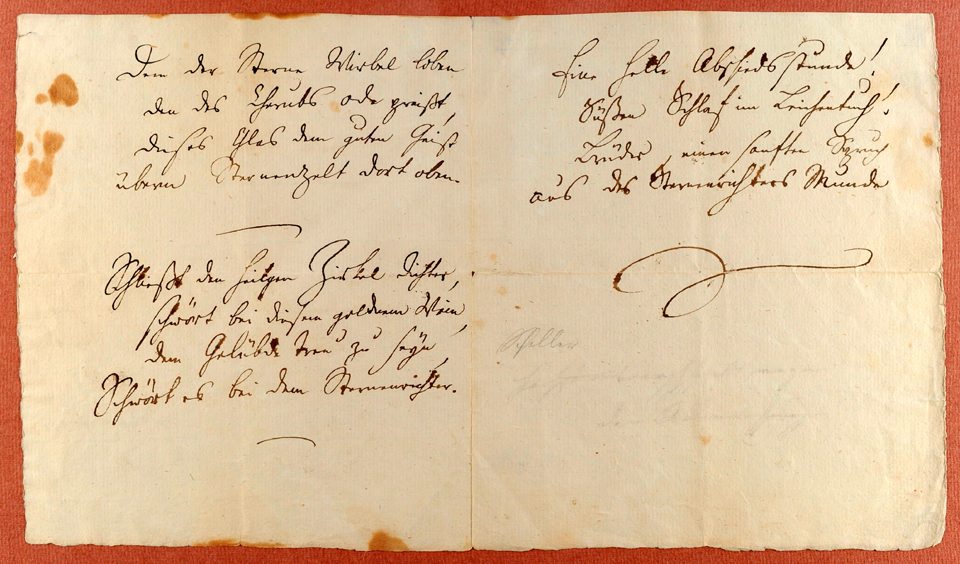
Ode to Joy is a lyrical poem by Friedrich Schiller that emphasizes joy, unity, and the brotherhood of mankind, which later inspired Beethoven's renowned choral symphony.
Select reading age
Ode To Joy Facts For Kids
Videos & Quizzesincluded
About this topic
"Ode to Joy" is a famous poem written by German poet Friedrich Schiller in 1785. 🎉It celebrates the joy and beauty of friendship and brotherhood! The poem was later set to music by composer Ludwig van Beethoven in his Ninth Symphony, completed in 1824. 🎶This music is known for its exciting melody and was meant to bring happiness to everyone. Today, "Ode to Joy" is enjoyed all over the world, and it has even been used as an anthem to promote unity among people. 🌍
Explore with ChatDinoKey Points
"Ode to Joy" is a timeless piece that still matters today!
"Ode to Joy" has inspired many people and movements!
Friedrich Schiller wrote "Ode to Joy" during a time when Europe was filled with change and excitement!
The lyrics of "Ode to Joy" talk about the beauty of friendship and how all people can come together.
There are many famous recordings of "Ode to Joy."
Beethoven’s Ninth Symphony, in which "Ode to Joy" appears, is divided into four different parts called movements.
Many composers have been influenced by "Ode to Joy."
Many choirs and orchestras perform "Ode to Joy" during concerts, and it remains a favorite among musicians.
Photos of Ode To Joy

Schillerhaus in Gohlis

Gnome-mime-audio-openclipart
🌟 Legacy
"Ode to Joy" is a timeless piece that still matters today! 🌟Its message of unity and joy connects people across generations and cultures. The music is often played in celebrations, reminding everyone that happiness can be shared. 🕊️ In 1989, it became a symbol during the fall of the Berlin Wall, representing hope and freedom! ✊Beethoven's Ninth Symphony continues to inspire concerts worldwide, reminding us to come together as friends! Singing or listening to "Ode to Joy" can truly make the world a better place! 🌍❤️
Go deeper🎊 Cultural Impact
"Ode to Joy" has inspired many people and movements! 🎊It was used as the anthem of the European Union in 1985, representing unity among different countries. 🌍The powerful message of coming together has made it famous worldwide! The melody is often played during celebrations, including New Year's Eve in many places, bringing joy and excitement to everyone! 🎇Artists from around the globe have covered Beethoven’s music, showing how much it means to people. It teaches us that joy is something everyone can share!
Go deeper⚡ Historical Context
Friedrich Schiller wrote "Ode to Joy" during a time when Europe was filled with change and excitement! ⚡In the late 1700s, people were fighting for freedom and equality, which inspired many artists and writers. 🎭Schiller believed that joy could unite people despite their differences. Ludwig van Beethoven heard Schiller's poem and decided to turn it into beautiful music, making it part of his Ninth Symphony. 🎼The first performance happened in Vienna, Austria, and the audience loved it! Now, it's celebrated as a symbol of peace and unity.
Go deeper🌟 Lyrics And Meaning
The lyrics of "Ode to Joy" talk about the beauty of friendship and how all people can come together. 🌟The poem says things like "joy is the spark that connects us" and "let's celebrate together!" Schiller used simple and happy words to show that even in tough times, joy can bring hope. The poem inspires people to act with kindness and love towards one another. ❤️ It encourages us to treat each other as friends no matter where we come from or what we believe.
Go deeper🎧 Notable Recordings
There are many famous recordings of "Ode to Joy." 🎧 One popular version is by the Berlin Philharmonic Orchestra, which captures each note beautifully! Other celebrated performances have come from famous conductors like Herbert von Karajan and Leonard Bernstein. 🎵The recording by the Vienna Philharmonic is another favorite. Many schools also create their own recordings for concerts! All these performances show how the music can bring happiness to anyone who hears it. Isn’t it wonderful to share joy through music? 🎉
Go deeper🎵 Musical Composition
Beethoven’s Ninth Symphony, in which "Ode to Joy" appears, is divided into four different parts called movements. 🎵The final movement features a chorus singing Schiller's words, making it very special! The music starts with a strong and exciting introduction, building up to the famous melody we all recognize. 🎶Beethoven used different instruments like violins, flutes, and drums to create a joyful sound that makes your heart want to dance! 💃This sinfonia is one of the first major symphonies to include voices along with instruments!
Go deeper🎼 Influence On Other Works
Many composers have been influenced by "Ode to Joy." 🎼 For example, artists like Leonard Bernstein and even pop musicians have referenced it in their own songs. 🎤Its joyful theme and catchy melody make it easy to remember and love! The piece has appeared in movies, documentaries, and even video games, showcasing the happiness it brings. 🎮It encourages many creators to explore themes of brotherhood and joy too! "Ode to Joy" remains a lasting inspiration across different art forms!
Go deeper🎤 Adaptations And Performances
Many choirs and orchestras perform "Ode to Joy" during concerts, and it remains a favorite among musicians. 🎤🎻 Different cultures have even created their own versions! The message of joy and unity is universal, so this music gets played at sports events, graduation ceremonies, and peace rallies. 🌈In 2010, a special flash mob sang it at a train station in Belgium, surprising everyone with their surprise performance! 📦Such adaptations show how people love to join together and celebrate joy in their own unique ways!
Go deeper