All Articles

Norwegian Sea

Norwegian Sea Facts For Kids

The Norwegian Sea is a significant body of water located northwest of Norway, serving as a unique ecological and economic link between the Atlantic and Arctic Oceans.

🎨 Reading age for 6-8
Background blob
Norwegian Sea
Norwegian Sea
Facts for Kids!
Image by Finn Rindahl, licensed under Creative Commons Attribution-Share Alike 3.0

Do more with AI

Introduction

The Norwegian Sea is a unique body of water located between the beautiful country of Norway and the Arctic. 🌊It connects to the North Sea to the south, the Barents Sea to the northeast, and the Greenland Sea to the west. This sea is special because it is considered a marginal sea, meaning it is partly enclosed by land while still connecting to larger oceans. The Norwegian Sea not only has breathtaking views but is also home to an amazing variety of fish and marine life! 🐟✨

Images of Norwegian Sea

Photos of Norwegian SeaImage by selber, licensed under Creative Commons Attribution 3.0
Norwegian Sea, surrounded by shallower seas to the south (North Sea) and northeast (Barents Sea). The white dot near the centre is Jan Mayen, and the dot between Spitsbergen (large island to the north) and Norway is Bear Island.

Norwegian Sea, surrounded by shallower seas to the south (North Sea) and northeast (Barents Sea). The white dot near the centre is Jan Mayen, and the dot between Spitsbergen (large island to the north) and Norway is Bear Island.

Vedøya, Skumvær and Røst islands, Lofoten, NorwayImage by Matmik, licensed under Creative Commons Attribution-Share Alike 3.0

Vedøya, Skumvær and Røst islands, Lofoten, Norway

Tide ranges and tide times (hours after Bergen) along the Norwegian coastImage by Ulamm ( talk ) 02:30, 21 April 2014 (UTC), licensed under Creative Commons Attribution-Share Alike 3.0

Tide ranges and tide times (hours after Bergen) along the Norwegian coast

Thermohaline circulation explains the formation of cold, dense deep water in the Norwegian Sea. The entire circulation pattern takes ~2000 years to complete.

Thermohaline circulation explains the formation of cold, dense deep water in the Norwegian Sea. The entire circulation pattern takes ~2000 years to complete.

Surface currents in the North Atlantic

Surface currents in the North Atlantic

Phytoplankton bloom in the Norwegian Sea.
Phytoplankton bloom in the Norwegian Sea.

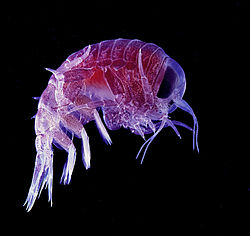
Hyperia macrocephalaImage by Uwe Kils, licensed under Creative Commons Attribution-Share Alike 3.0

Hyperia macrocephala

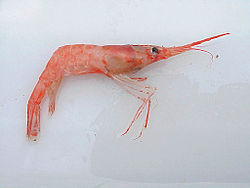
A northern, deep-water or Alaskan pink shrimp ( Pandalus borealis ).

A northern, deep-water or Alaskan pink shrimp ( Pandalus borealis ).

Photos of Norwegian SeaImage by selber, licensed under Creative Commons Attribution 3.0
Norwegian Sea, surrounded by shallower seas to the south (North Sea) and northeast (Barents Sea). The white dot near the centre is Jan Mayen, and the dot between Spitsbergen (large island to the north) and Norway is Bear Island.

Norwegian Sea, surrounded by shallower seas to the south (North Sea) and northeast (Barents Sea). The white dot near the centre is Jan Mayen, and the dot between Spitsbergen (large island to the north) and Norway is Bear Island.

Vedøya, Skumvær and Røst islands, Lofoten, NorwayImage by Matmik, licensed under Creative Commons Attribution-Share Alike 3.0

Vedøya, Skumvær and Røst islands, Lofoten, Norway

Tide ranges and tide times (hours after Bergen) along the Norwegian coastImage by Ulamm ( talk ) 02:30, 21 April 2014 (UTC), licensed under Creative Commons Attribution-Share Alike 3.0

Tide ranges and tide times (hours after Bergen) along the Norwegian coast

Thermohaline circulation explains the formation of cold, dense deep water in the Norwegian Sea. The entire circulation pattern takes ~2000 years to complete.

Thermohaline circulation explains the formation of cold, dense deep water in the Norwegian Sea. The entire circulation pattern takes ~2000 years to complete.

Surface currents in the North Atlantic

Surface currents in the North Atlantic

Phytoplankton bloom in the Norwegian Sea.

Phytoplankton bloom in the Norwegian Sea.

Hyperia macrocephalaImage by Uwe Kils, licensed under Creative Commons Attribution-Share Alike 3.0

Hyperia macrocephala

A northern, deep-water or Alaskan pink shrimp ( Pandalus borealis ).

A northern, deep-water or Alaskan pink shrimp ( Pandalus borealis ).

Environmental Concerns

Although the Norwegian Sea is beautiful, it faces some environmental challenges. 🌍💔 Overfishing, pollution, and climate change can harm the delicate ecosystems. Marine animals depend on clean water and healthy habitats, so people are working hard to protect them. Organizations and governments are putting plans in place to reduce pollution, regulate fishing, and raise awareness about preserving marine life. It’s important for us all to care for the sea and its wildlife! 🌱🐬

Geography And Location

The Norwegian Sea is situated northwest of Norway, which is famous for its stunning fjords and picturesque landscapes! 🏞️ Norway's coastline stretches over 25,000 kilometers, and the sea itself covers about 1.4 million square kilometers. To the southeast, you can find the North Sea, while the Barents Sea lies to the northeast. The Norwegian Sea is surrounded by other countries too, including Iceland to the west and parts of Greenland to the northwest. 🌍📍

Historical Significance

The Norwegian Sea has been important throughout history. Vikings, the famous explorers from Norway, sailed these waters more than 1,000 years ago! 🏴‍☠️ They used the Norwegian Sea to travel to new lands and trade with other countries. The sea also holds stories of battles and sea routes that shaped the cultures of Northern Europe. Today, the history of the sea is cherished by Norwegians, reminding them of their brave ancestors and their strong connection to the ocean! 📜⚓

Shipping And Navigation

Shipping routes across the Norwegian Sea are busy and important! 🚢Ships travel through to transport goods and connect countries. The sea allows easy access to ports in Norway, Iceland, and Scandinavia. Sailors must be careful while navigating, as sometimes storms can occur! 🌪️ Many ships have special charts that show the safest paths, and modern technology helps ensure safe travel across this beautiful sea. With efficient shipping, products and people can be easily moved around the world! 📦🗺️

Comparison To Other Seas

The Norwegian Sea is special but can be compared to other seas around the world! 🌐While the Mediterranean Sea is warm and filled with rich history, the Norwegian Sea is colder with a unique marine life ecosystem. The Bering Sea, located near Alaska, is also known for its incredible fishing, like the Norwegian Sea. 🦀Both seas are vital for their regions' economies! Each sea has different characteristics, showing how diverse our planet's waters can be! 🌊💙

Marine Life And Ecosystems

The Norwegian Sea is bursting with life! 🐠A variety of fish, such as cod, herring, and mackerel, thrive in its waters. In addition to fish, you might encounter playful seals, majestic whales, and colorful sea birds! 🦅The sea’s cold waters are also perfect for unique plants, like kelp and algae, which provide homes and food for many small creatures. All these animals and plants work together to form a rich ecosystem, showcasing nature’s incredible diversity! 🌾👀

Climate And Weather Patterns

The Norwegian Sea has a unique climate, influenced by both the Arctic and Atlantic Oceans! ❄️🌊 In winter, temperatures can drop below freezing, while summers are much milder, with temperatures reaching up to 20°C (68°F). The sea is often cloudy and rainy, creating wonderful ecosystems! ⚡The warm Gulf Stream current helps keep the coastal areas of Norway warmer than other places at the same latitude. This changing weather brings different seasons, making the sea a beautiful sight year-round! 🌈🌞

Economic Importance And Resources

The Norwegian Sea is vital to Norway's economy! 💰Fishing is one of the most important activities, as the waters are teeming with fish that feed many people. The sea is also rich in oil and gas deposits, which help power homes and businesses. 🛢️ Additionally, tourism is growing as travelers flock to see the stunning scenery and experience the incredible maritime culture. The resources from the Norwegian Sea are important for the people living nearby and help support their way of life. 🌊🏞️

Hydrology And Water Characteristics

The Norwegian Sea is known for its cold, deep waters! ❄️ The sea can reach depths of over 3,600 meters in some areas! The waters are salty because they mix with water from the Atlantic Ocean. This salty water is crucial for marine life survival! The Norwegian Sea also has warm currents, which help keep the climate milder for Norway's coast, even in winter. 🧊This special mix of cold and warm water creates a vibrant underwater ecosystem.

Cultural Impact And Human Activities

The Norwegian Sea plays an essential role in the lives of the people living nearby. 🎉Fishing has been a central part of Norwegian culture for generations! 🌊People also enjoy sailing and recreational activities like kayaking and diving in these amazing waters. Festivals celebrating sea life and maritime traditions are common throughout coastal towns. The stunning views and rich history also inspire artists and writers, making the Norwegian Sea an important part of Norway’s identity! 🎨📚

Norwegian Sea Quiz

Q1
Question 1 of 10

Learn more about Norwegian Sea

Ready to create?

Make

To create a safe space for kid creators worldwide!

Create

Vibe Coding

Kids GPT

All Tools

Kibu

Resources

Worksheets

SafeTube

Blog

FAQ

Account

Pricing

Log-in

Sign-up

Data Deletion

Company

About

Community Guidelines

Privacy Policy

Terms of Service

2025, URSOR LIMITED. All rights reserved. DIY is in no way affiliated with Minecraft™, Mojang, Microsoft, Roblox™ or YouTube. LEGO® is a trademark of the LEGO® Group which does not sponsor, endorse or authorize this website or event. Made with love in San Francisco.