Northern Gannet Facts For Kids
The northern gannet is a large seabird known for its striking appearance and remarkable diving abilities, often found in the North Atlantic during the breeding season.
Select reading age
Northern Gannet Facts For Kids
Videos & Quizzesincluded
About this topic
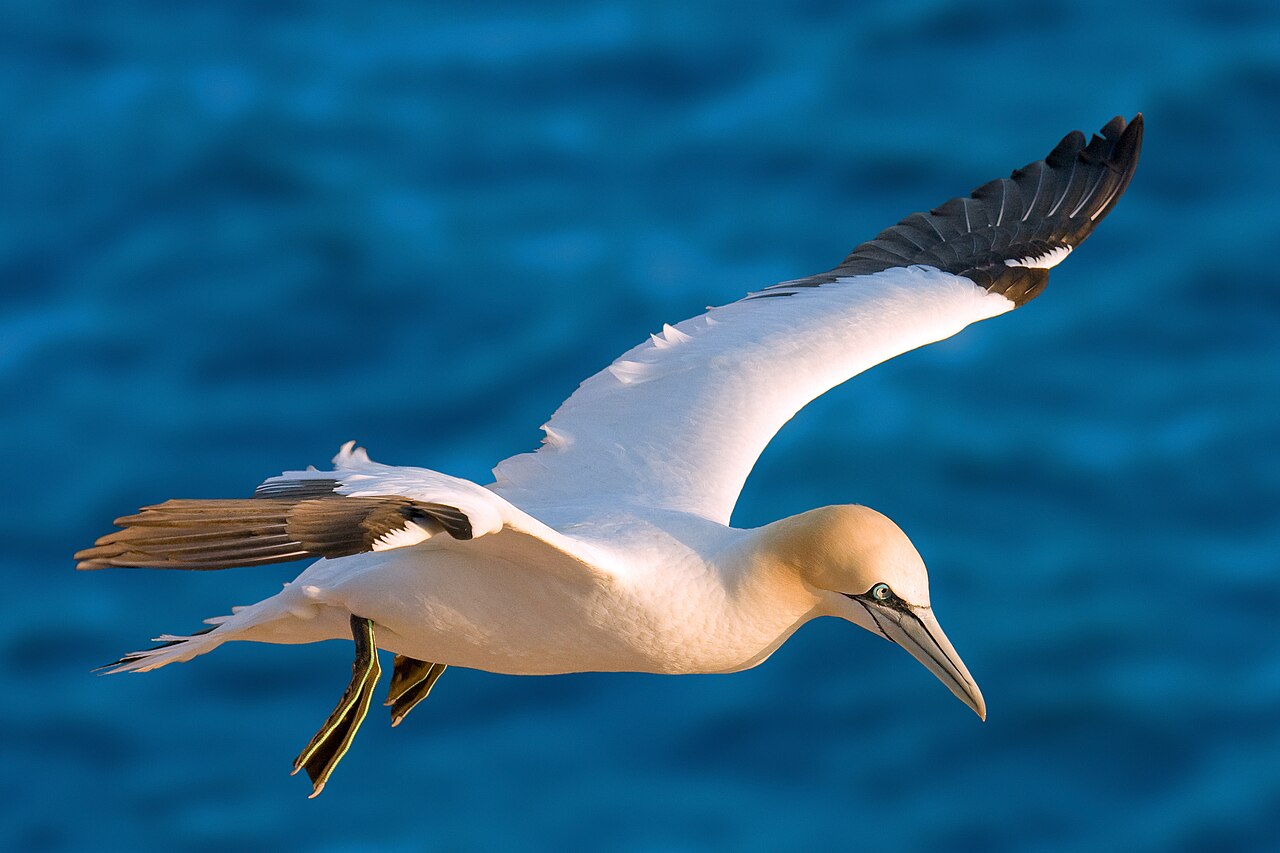
The northern gannet is a large seabird found in the North Atlantic Ocean! 🐦These birds are famous for their beautiful white plumage and black-tipped wings. They have a long, pointed beak and striking blue eyes. Northern gannets are great divers and can plunge into the ocean from high up to catch fish. They spend most of their lives flying over the sea and only come back to land to breed. These magnificent birds can be seen from Canada 🇨🇦 to Europe 🇪🇺, and they usually nest on steep cliffs, making them remarkable among seabirds!
Explore with ChatDinoKey Points
Breeding season for northern gannets typically starts in March!
Did you know that northern gannets can hold their breath underwater for 30 seconds while diving for fish?
Northern gannets are mostly non-migratory, which means they don't move great distances like some birds do!
The northern gannet is currently listed as "Least Concern" by the IUCN, which is great news!
Northern gannets have appeared in the stories and cultures of coastal people for ages!
Northern gannets are expert fish catchers!
Northern gannets love to live at sea!
Northern gannets are quite large!
Photos of Northern Gannet

Northern Gannet — photo 1

Northern Gannet — photo 2

Northern Gannet — photo 3

Northern Gannet — photo 4

Northern Gannet — photo 5

Northern Gannet — photo 6

Red dots show breeding colonies in the north Atlantic

Bass Rock in the Firth of Forth, Scotland, is the world's largest colony.

Northern gannet colony on Little Skellig, Ireland
🗓️ Breeding Behavior
Breeding season for northern gannets typically starts in March! 🗓️ They return to their chosen nesting colonies and pair up with a mate. Gannets are monogamous, which means they often stay with the same partner for life! They build their nests from seaweed and grass on rocky ledges. The female lays one egg, which both parents take turns incubating for about 44 days. 👶When the chick hatches, it is fed regurgitated fish by both mom and dad! The young gannets grow quickly and learn to fly in just about 12 weeks. Once they leave the nest, they are called fledglings and start finding their own food! 🌈
Go deeper🐠 Interesting Facts
Did you know that northern gannets can hold their breath underwater for 30 seconds while diving for fish? 🐠They also have a unique way of communicating with each other—by making loud honking sounds! 🤭Northern gannets can live for over 30 years in the wild, and they are known to return to the same nesting site year after year. Their nests can be quite large, sometimes made up of more than 1,000 pieces of seaweed! 🌿It’s incredible how these birds can travel more than 1,000 miles in just a few days! Their remarkable skills make them one of the most fascinating seabirds! 🌞
Go deeper🌍 Migration Patterns
Northern gannets are mostly non-migratory, which means they don't move great distances like some birds do! However, during winter, they might travel from their breeding spots to warmer waters. 🌍For example, gannets nesting in Canada often migrate to areas near the northeastern U.S. before heading south toward Florida. They are excellent fliers and can cover hundreds of miles as they search for fish. 🌅Some gannets may even venture into the Mediterranean Sea. This ability to travel allows them to find food and stay warm during colder months. They always return to their nesting sites to raise their chicks!
Go deeper🌟 Conservation Status
The northern gannet is currently listed as "Least Concern" by the IUCN, which is great news! 🌟This means their population is stable, and they are not at immediate risk of extinction. However, they still face threats like pollution and overfishing, which can affect their food supplies. 🌍Many organizations work hard to protect their nesting habitats, especially from development and human activity. Birdwatchers and conservationists watch over these seabirds, ensuring they have safe places to live and breed. By keeping our oceans clean, we help protect these amazing birds for future generations! 🌊
Go deeper🌊 Cultural Significance
Northern gannets have appeared in the stories and cultures of coastal people for ages! 🌊In Newfoundland, Canada, they are called "Solan Geese," and locals have long respected these birds for their fishing skills. Many artists and photographers capture their beauty, and they are popular subjects for wildlife documentaries. 🎥In some places, gannets are considered a sign of good luck, often associated with good fishing conditions. They are also admired for their graceful flying and diving, leading some cultures to symbolically link them to freedom and exploration! 🕊️
Go deeper🍽️ Diet And Feeding Habits
Northern gannets are expert fish catchers! 🍽️ They mainly eat small fish like mackerel, herring, and pollock. These fast birds are known for their impressive diving skills. When a gannet spots a fish near the surface, it can dive from heights of up to 100 feet (30 meters)! With its wings tucked in, it can hit the water like a torpedo. 💥They use their sharp beaks to snatch fish right up! Gannets also sometimes follow fishing boats to snatch leftovers. They need to eat around 1 pound (450 grams) of fish every day to stay healthy and strong! 🐠
Go deeper🌊 Habitat And Distribution
Northern gannets love to live at sea! 🌊They prefer coastal areas and are mostly found in colonies on steep cliffs or rocky shorelines, like they do on Bonaventure Island in Canada and Scotland’s Bass Rock. These colonies can have thousands of birds! During the winter months, some northern gannets can be seen further south, reaching places like the Gulf of Mexico. They are very social birds and often gather in large groups to fly and dive together. Since they spend a lot of time on the open ocean, they are amazing at soaring in the sky while searching for food! 🌅
Go deeper📏 Physical Characteristics
Northern gannets are quite large! They can grow up to about 34 inches (86 cm) long and have a wingspan of around 6.5 feet (2 meters). 📏Their bodies are mostly white, but they have pretty black wing tips and a lovely yellowish head. Baby gannets, called chicks, are covered in fluffy gray down feathers when they hatch. At birth, they are about 12 inches (30 cm) long! This size helps them stay warm in chilly ocean climates. As they grow older, their feathers change to the adult’s striking white color. They have strong, pointed bills perfect for catching slippery fish! 🎣
Go deeper