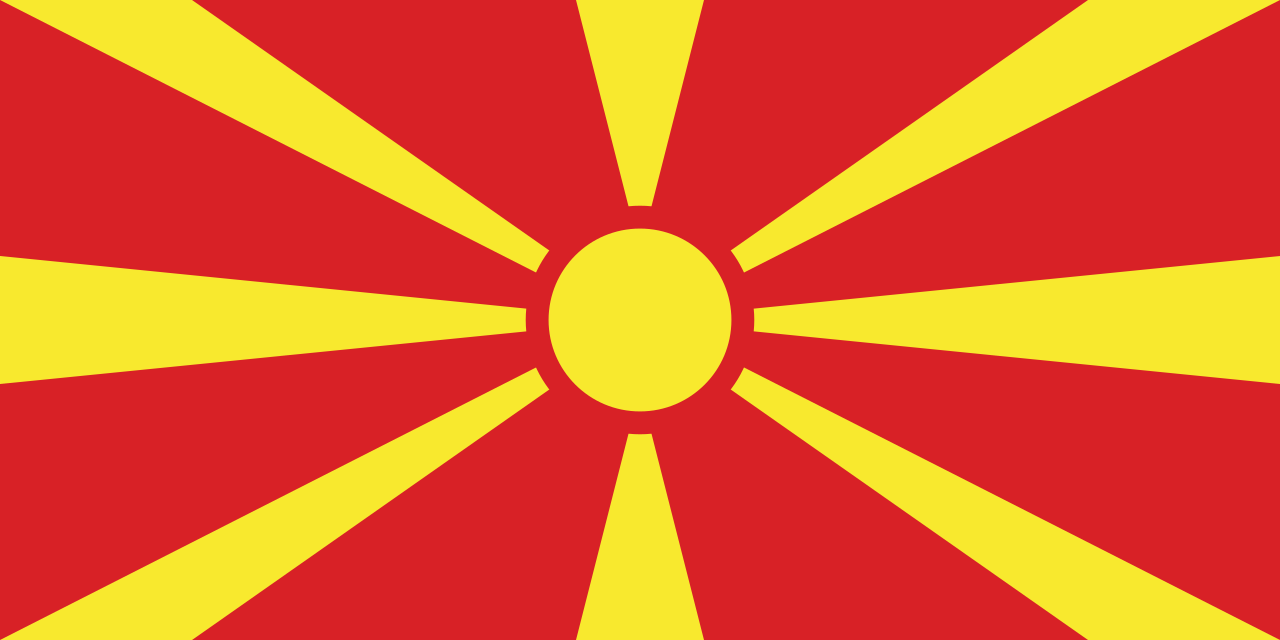
North Macedonia is a Balkan country known for its historical sites, diverse landscapes, and vibrant culture.
Set reading age
View for Kids
Easy to read and understand
View for Students
Clear, detailed explanations
View for Scholars
Deep dives and big ideas
North Macedonia is a small country located in Southeast Europe. It became an independent country in 1991 after separating from Yugoslavia. North Macedonia is known for its beautiful landscapes, including mountains and lakes. The capital city is Skopje, where many historical landmarks can be found. The country's official language is Macedonian, and the currency used is the denar 💰. North Macedonia is famous for its rich history, delicious food, and friendly people who enjoy celebrating various festivals throughout the year! 🥳
North Macedonia has a delicious cuisine with flavors that represent the country's history 🌮. Traditional dishes include stuffed peppers, moussaka, and shopska salad, made with fresh vegetables like tomatoes and cucumbers 🍅🥗. One popular dessert is baklava, a sweet pastry filled with nuts and syrup. Macedonians love to enjoy meals with family and friends, often served with local wines and homemade bread. Food is a big part of their culture, bringing people together to share stories and laughter! 😋
North Macedonia has a vibrant culture that combines influences from its ancient history and various civilizations. Folk dances and music are important to the people, and you'll often see traditional costumes during festivals 🎶. The country celebrates many holidays, such as St. Cyril and Methodius Day, honoring the creators of the Cyrillic alphabet. The locals love sharing delicious foods, like tavče gravče (bean stew) and papanasi (sweet cheese donuts), with family and friends during celebrations 🍽️.
North Macedonia has a mixed economy that includes agriculture, industry, and services 💼. Agriculture is important, with many people growing fruits, vegetables, and grains. The country is known for its tobacco and wine production 🍇. In recent years, North Macedonia's government has encouraged tourism and foreign investment to create more jobs and develop the economy. The city is working on building new industries like technology and renewable energy to help the country grow even more! 🌱
The history of North Macedonia goes back thousands of years! 🏺This land was once part of ancient kingdoms, like Paeonia, and was home to famous figures, including Alexander the Great, who was one of the greatest conquerors in history. Over time, the area changed rulers from the Romans to the Ottomans. North Macedonia became part of Yugoslavia in 1945. Finally, in 1991, it declared independence and became a sovereign nation. Since then, North Macedonia has been working to build its own identity and culture. 🎉
North Macedonia is an exciting place to visit! Many tourists come to explore the stunning sights like the ancient city of Ohrid, a UNESCO World Heritage site. Lake Ohrid is a favorite spot for swimming, boating, and relaxing on the beach ☀️. Tourists can also visit the beautiful monasteries, including the Church of St. John at Kaneo, perched on a cliff. Hiking in the surrounding mountains is popular for those who love nature 🥾. North Macedonia also hosts various festivals each year, showcasing its music, food, and arts! 🎈
Education in North Macedonia is essential for the country's future. Kids start school at age 6, and basic education lasts for 9 years. After that, students can choose to attend high school or vocational training 🏫. Universities in the capital Skopje and other cities teach a variety of subjects, preparing young people for their careers. The government has been working hard to improve school conditions, provide more resources, and promote digital learning to help all students succeed 📚.
North Macedonia is nestled in the Balkan Peninsula, bordered by Kosovo to the north, Serbia to the northeast, Bulgaria to the east, Greece to the south, and Albania to the west. The country has many stunning natural features, including Lake Ohrid, which is one of the oldest and deepest lakes in Europe 🌊. It is surrounded by mountains like the Šar Mountains and the Vardar River flowing through the country. The climate is mostly continental, with hot summers and cold winters! ☀️❄️
North Macedonia has a population of around 2 million people. The largest ethnic group is Macedonians, followed by Albanians, Turks, and Serbs. The official language is Macedonian, but many people also speak Albanian, especially in regions with a large Albanian population. The country is home to various religions, including Orthodox Christianity and Islam, which contribute to its rich cultural diversity 🕌⛪. The people of North Macedonia are known for their hospitality and warm welcomes! 🤗
North Macedonia is a parliamentary republic, which means it has a president and a prime minister. The President is elected by the people to represent the country, while the Prime Minister leads the government and makes important decisions about how the country is run 🏛️. North Macedonia has several political parties that compete in elections, allowing citizens to have their say. The country also aims to join the European Union, which is a group of countries in Europe that work together on various issues. 🇪🇺


DIY is a creative community where kids draw, build, explore ideas, and share.
No credit card required