Nigersaurus Facts For Kids
Nigersaurus was a unique sauropod dinosaur known for its broad, flat skull and numerous specialized teeth, which it used to graze on low-lying plants during the Mid Cretaceous period.
Select reading age
Nigersaurus Facts For Kids
Videos & Quizzesincluded
About this topic
Nigersaurus was a fun dinosaur that lived around 110 million years ago during the Early Cretaceous period! 🦕It was discovered in the lands of Niger, a country in Africa. This dinosaur was a herbivore, meaning it only ate plants. Its long neck and wide mouth helped it munch on leaves and low-growing vegetation. Nigersaurus was around 30 feet (9 meters) long, about as long as a big school bus! 🚍Scientists named it "Nigersaurus" because it was found in Niger, and its name means "Niger lizard."
Explore with ChatDinoKey Points
Nigersaurus is related to other sauropod dinosaurs!
Nigersaurus was a plant-eater, or herbivore!
Nigersaurus lived in a lush, warm region that was full of plants millions of years ago, much different than today!
Nigersaurus had a unique and interesting appearance!
Nigersaurus is important for understanding dinosaur evolution!
The first fossils of Nigersaurus were found in 1976 in the Sahara Desert of Niger by a team of French paleontologists led by Paul Sereno.
Scientists continue to study Nigersaurus to learn more about this fascinating dinosaur!
Nigersaurus has appeared in various books and documentaries about dinosaurs!
Photos of Nigersaurus

Excavation of a specimen in 2000

Skeletal diagram showing known elements and size comparison

Skull cast, Royal Ontario Museum

Teeth at different growth stages, Museo di Storia Naturale di Venezia

Hypothetical life restoration

Front view of reconstructed skull

Model head at the Australian Museum, Sydney

Nigersaurus — photo 8

🦕 Related Species
Nigersaurus is related to other sauropod dinosaurs! 🦕Some of its cousins include the well-known Brachiosaurus and Apatosaurus. These dinosaurs also had long necks and ate plants, but they were larger and had different feeding habits. Brachiosaurus used its height to reach tall branches, while Nigersaurus preferred low-growing vegetation. 🌳The similarities among these dinosaurs show how they evolved unique traits to adapt to their environment and survive alongside each other!
Go deeper🌿 Diet And Feeding Habits
Nigersaurus was a plant-eater, or herbivore! 🌿It mostly fed on low-growing plants, ferns, and shrubs, thanks to its unique mouth shape. This dinosaur was specially designed to graze like a cow! Nigersaurus could reach ground-level vegetation much easier than other dinosaurs. Its wide, flat teeth helped it chew up tough plants, and its long neck allowed it to look around for food. This dinosaur likely spent most of its day munching and enjoying a salad made from its favorite plants! 🥗
Go deeper🌳 Habitat And Distribution
Nigersaurus lived in a lush, warm region that was full of plants millions of years ago, much different than today! 🌳It thrived in what we now call the Sahara Desert, but back then, it was a green paradise. The area was filled with rivers and wetlands where many other plants and animals lived. Nigersaurus roamed in herds, sharing its habitat with other dinosaurs like the giant sauropods. 🌞The rich vegetation gave Nigersaurus everything it needed to grow strong and stay healthy!
Go deeper😄 Physical Characteristics
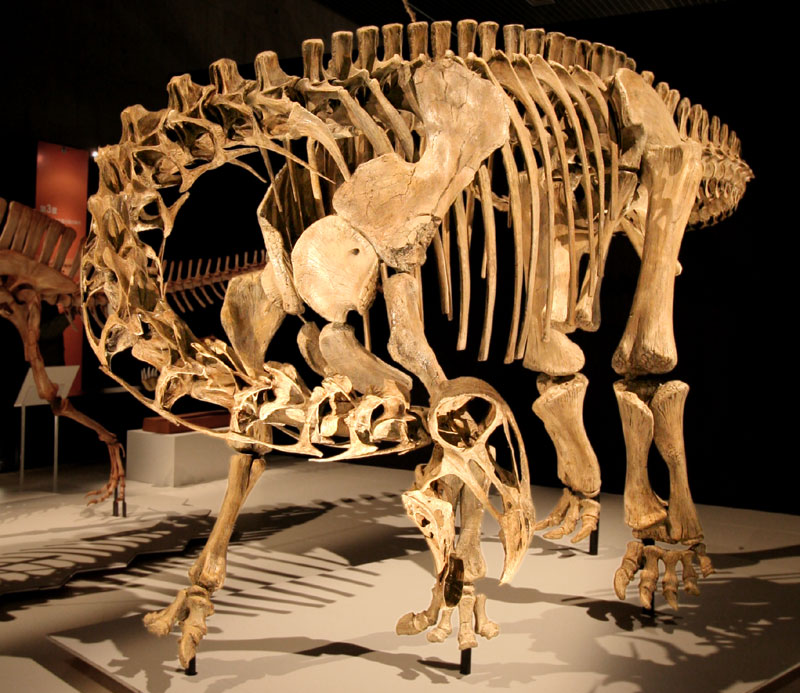
Nigersaurus had a unique and interesting appearance! Its head was small compared to its long neck, and it had a wide, thin mouth full of teeth perfect for slicing plants. 😄Its body was supported by strong legs, and it walked on all fours like many other dinosaurs. Nigersaurus had about 500 teeth, shaped like a comb, which helped it eat grass and leaves. It was around 10 feet (3 meters) tall at the hips, making it a very tall dinosaur! 🦖Its lightweight skull made it easier to hold its head high while munching away.
Go deeper🦖 Evolutionary Significance
Nigersaurus is important for understanding dinosaur evolution! 🦖It belonged to a group called sauropod dinosaurs, which were known for their long necks and big bodies. This dinosaur shows us how different diets affect body shapes and sizes. Nigersaurus is also a clue about how dinosaurs adapted to their environment. Its specialized teeth and feeding habits helped it survive in competition with other herbivores during the Cretaceous period. 📚Learning about Nigersaurus helps scientists understand how dinosaurs changed over millions of years!
Go deeper🏜️ Discovery And Fossil Finds
The first fossils of Nigersaurus were found in 1976 in the Sahara Desert of Niger by a team of French paleontologists led by Paul Sereno. 🏜️ They found many bones, including parts of its skull and long neck. These fossils helped scientists learn about its unique eating habits. Nigersaurus' remains were special because they included one of the longest necks among dinosaurs! More bones were discovered later, making it easier to understand what this dinosaur looked like. The fossils are now displayed in different museums, allowing everyone to learn about this amazing dinosaur! 🏛️
Go deeper🔍 Research And Ongoing Studies
Scientists continue to study Nigersaurus to learn more about this fascinating dinosaur! 🔍They analyze its fossils to understand its lifestyle and how it lived millions of years ago. Ongoing research focuses on dinosaur behavior, habitats, and how they adapted to their environments. New discoveries in the Sahara could lead to even more exciting findings about Nigersaurus and its relatives! By learning more about dinosaurs, researchers help us understand the history of our planet and the amazing life that once roamed it! 🌍
Go deeper📖 Cultural Impact And Representation
Nigersaurus has appeared in various books and documentaries about dinosaurs! 📖🎥 It captures the imagination of kids and adults alike because of its cool features and unique grazing habits. This dinosaur is also featured in the popular TV show "Walking with Dinosaurs," which helps people learn about prehistoric life. By studying Nigersaurus, many artists, writers, and filmmakers have included it in their stories, making it an exciting part of dinosaur culture! 🦖
Go deeper