New World Vulture Facts For Kids
New World vultures are a family of scavenging birds found mainly in the Americas, playing a crucial role in the ecosystem by consuming carrion and cleaning the environment.
Select reading age
New World Vulture Facts For Kids
Videos & Quizzesincluded
About this topic
New World vultures are a special group of birds known for their amazing scavenging skills! 🦅They belong to the family Cathartidae and live mostly in the Americas, spanning from Canada to South America. There are seven different types of these vultures, including the famous California condor! 🌎They usually have strong, broad wings and can glide effortlessly for long distances. New World vultures play an essential role in nature by helping to keep the environment clean. They eat dead animals, which prevents the spread of diseases that could harm other creatures. 🦴
Explore with ChatDinoKey Points
Did you know that Turkey Vultures can soar for hours without flapping their wings?
Some New World vulture species, like the California Condor, are endangered due to habitat loss and other human activities.
New World vultures hold special places in many cultures!
New World vultures are found across a wide range of habitats in the Americas.
New World vultures have some interesting physical traits!
New World vultures usually mate for life and are very dedicated parents!
New World vultures are scavengers, which means they eat animals that are already dead!
The scientific name for New World vultures is Cathartidae.
New World vultures are social birds that often gather in groups called "venues."
While New World vultures and Old World vultures both eat carrion, they are not closely related!
Photos of New World Vulture

Turkey Vulture Range map—yellow is summer , green is year-round. Updated from inaturalist observations mapping.

A pervious nostril is typical of the family.

American Black Vulture Coragyps atratus , Farallon, Panama, 2005 December; This individual was one of a large group of vultures (and circling frigatebirds) waiting for fish offal from local fishermen.

New World Vulture — photo 4

New World Vulture — photo 5

New World Vulture — photo 6

New World Vulture — photo 7

New World Vulture — photo 8

New World Vulture — photo 9
🦅 Interesting Facts
Did you know that Turkey Vultures can soar for hours without flapping their wings? 🦅They rely on warm air currents to stay up high while they search for food! Another fun fact is that the California Condor is one of the largest flying birds in North America, with wingspans up to 10 feet! 🦅New World vultures cool off by urinating on their legs, which helps them stay cool in hot weather! ☀️ These fascinating birds are full of surprises, and there's always more to learn about them! 📚
Go deeper🦅 Conservation Status
Some New World vulture species, like the California Condor, are endangered due to habitat loss and other human activities. 🦅Conservation efforts are in place to help them recover! Organizations work to protect their habitats and educate people about their importance in the ecosystem. 🏞️ It's crucial that we all do our part to support these amazing birds by protecting nature and reducing pollution. With collective effort, new generations of vultures can thrive and continue their important work in the environment! 🌱
Go deeper🌍 Cultural Significance
New World vultures hold special places in many cultures! In some Native American traditions, they are seen as symbols of renewal and the circle of life. 🌍Birds like the Andean Condor are national symbols in countries like Chile and Bolivia. Many people admire these birds for their impressive flying skills and their role in keeping the environment clean. 🎨Stories and legends about vultures can be found in various cultures, emphasizing their importance in nature and human life. 🌠
Go deeper🌄 Habitat And Distribution
New World vultures are found across a wide range of habitats in the Americas. You can spot them in forests, wetlands, grasslands, and even deserts! 🌄The Turkey Vulture is common all over North America, while the Andean Condor is predominantly found in the Andes mountains. 🏔️ They thrive in areas where they can find food, so you'll often see them soaring high above. Vultures use thermals, or warm rising air, to glide effortlessly while they search for their next meal. 🌬️
Go deeper🌟 Physical Characteristics
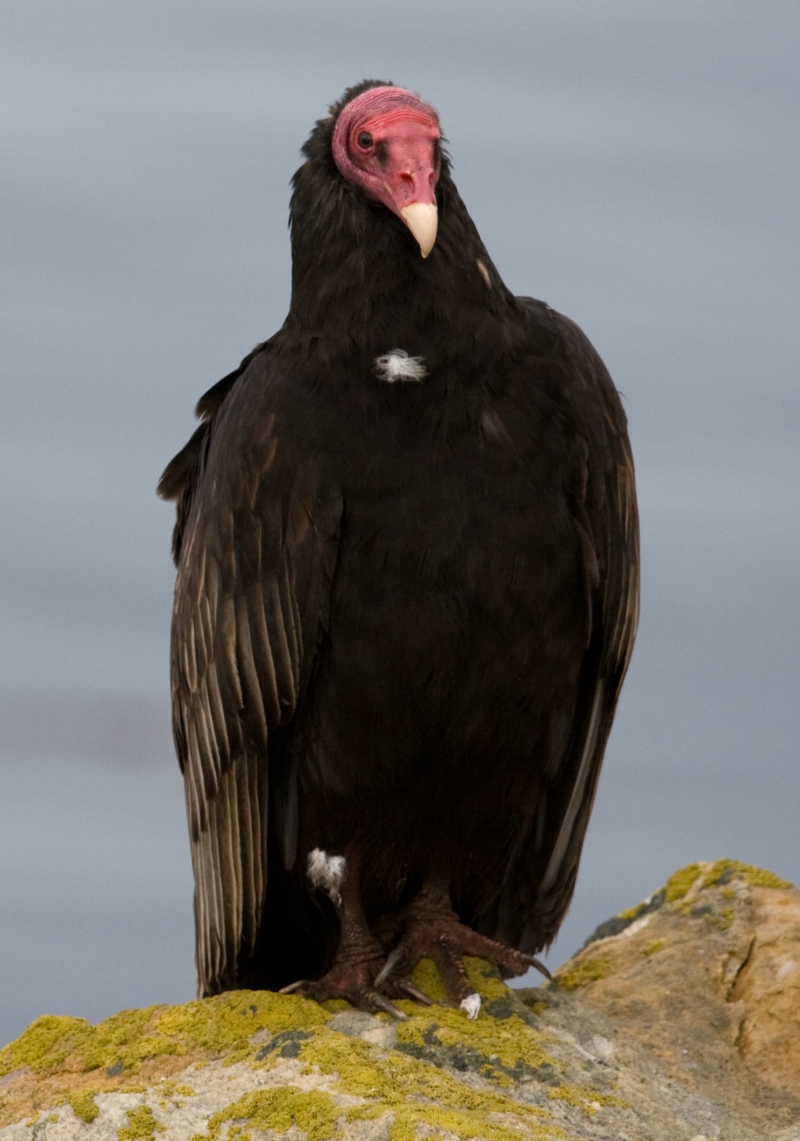
New World vultures have some interesting physical traits! Most of them are large birds, with wingspans reaching up to 10 feet in condors! 🌟Their heads are often bald to keep clean while eating from dead animals. They have strong, hooked beaks to tear into tough meat. 🦷Most of these vultures have dark feathers, but some, like the King Vulture, show beautiful colors like orange and white. Their long legs help them walk easily, and their sharp eyesight lets them see food from high up in the sky! 🪂
Go deeper🥰 Reproduction And Nesting
New World vultures usually mate for life and are very dedicated parents! 🥰They build their nests in high places like cliffs, large trees, or even old buildings. The female lays one to three eggs, usually in the spring. The parents take turns incubating the eggs for about 30 to 60 days until they hatch. 🥚Once the chicks are born, both parents feed them by regurgitating food. The young vultures learn to fly and hunt with their parents' help, usually becoming independent after a few months! 🎉
Go deeper🦴 Diet And Feeding Behavior
New World vultures are scavengers, which means they eat animals that are already dead! 🦴Their excellent sense of smell helps them find food from miles away. Unlike some birds of prey, they prefer to eat carrion rather than hunt live animals. 🥩Turkey Vultures are especially known for their ability to detect the scent of decay! Once they find something to eat, they use their strong beaks to tear the meat apart and enjoy a feast with their vulture friends. Yum! 🍽️
Go deeper🦅 Taxonomy And Classification
The scientific name for New World vultures is Cathartidae. This family consists of seven species in five different genera. The most well-known species are the Black Vulture (Coragyps atratus), Turkey Vulture (Cathartes aura), and the California Condor (Gymnogyps californianus). 🦅Other members of this family include the Andean Condor and the King Vulture. Their classification highlights how special they are in the bird kingdom! Each species has unique features, but all share important traits like their bald heads and excellent sense of smell. 👀
Go deeper👯♂️ Social Structure And Behavior
New World vultures are social birds that often gather in groups called "venues." 👯♂️ They are friendly and work together to spot food. When they find a carcass, many vultures arrive to share the meal. They use body language, like spreading their wings and making special sounds, to communicate. 🦅They also help each other keep a lookout for danger, like other predators. Vultures can often be seen roosting together in trees or on cliffs, forming a cozy community to relax and socialize! 🌳
Go deeper🦅 Comparison With Old World Vultures
While New World vultures and Old World vultures both eat carrion, they are not closely related! Old World vultures are found in Europe, Africa, and Asia, and they have different physical features. 🦅New World vultures, like the Turkey Vulture, have a strong sense of smell, while Old World vultures rely mainly on vision to find food. 🌍Additionally, Old World vultures often have feathered heads, unlike the bald heads of New World vultures. Both types are essential for the ecosystem, but they are unique in their own ways! 🤔
Go deeper