Nephropidae Facts For Kids
Nephropidae, or lobsters, are fascinating malacostracans known for their hard shells, large claws, and unique ecological roles in marine environments.
Select reading age
Nephropidae Facts For Kids
Videos & Quizzesincluded
About this topic
Lobsters are amazing sea creatures from the family Nephropidae, also known as Homaridae! 🦞They have a hard shell and long claws, making them look like little sea monsters! Lobsters live in oceans around the world, often in rocky or sandy areas. Did you know some lobsters can weigh over 40 pounds? That's like carrying a small dog! 🐶They are not just delicious food but also important for ocean ecosystems. People have loved to eat lobsters for centuries, and they're often used in fancy dinners. Yum!
Explore with ChatDinoKey Points
Lobsters are considered "carnivorous scavengers" because they eat meat!
Most lobsters are not endangered, but fishing them in large numbers can be a problem.
Lobsters are pretty fascinating when it comes to having babies!
Scientists are always studying lobsters to learn more about them!
Lobsters play an important role in ocean ecosystems.
You can find lobsters in oceans worldwide!
Lobsters have hard exoskeletons, which are like armor to protect them!
Lobsters belong to the order Decapoda, which means "ten-footed."
Humans have loved lobsters for a long time!
Photos of Nephropidae

Lobsters awaiting purchase in Trenton, Maine

European lobster with cut antennae

Nephropidae — photo 3

Nephropidae — photo 4

Nephropidae — photo 5

Nephropidae — photo 6

Lobster, Crab, and a Cucumber by William Henry Hunt (watercolour, 1826 or 1827)

Lobsters in a tank at a fish market

A lobster with its claws bound after being boiled alive
🍽️ Feeding Behavior
Lobsters are considered "carnivorous scavengers" because they eat meat! 🍽️ Their diet includes fish, crabs, clams, and even dead animals. They have strong claws to help them catch prey! Lobsters use their antennae to sense food around them. They also have tiny hairs on their legs to taste and smell. Interesting fact: lobsters can eat 2 pounds of food every week! That's like devouring a whole pizza! 🍕
Go deeper🚨 Conservation Status
Most lobsters are not endangered, but fishing them in large numbers can be a problem. 🚨Overfishing can lead to fewer lobsters in the ocean, which can upset the balance of marine life. The best way to help lobsters is by following fishing regulations! Some organizations work hard to protect lobster habitats and ensure the ocean remains healthy. By being responsible consumers and supporting sustainable fisheries, we can keep enjoying delicious lobsters while protecting their future! 🌟
Go deeper🌌 Reproductive Biology
Lobsters are pretty fascinating when it comes to having babies! A female lobster can carry about 10,000 to 100,000 eggs at once! 🌌After she lays them, she keeps them under her tail for protection. The eggs hatch into tiny larvae called "veligers." These larvae float in the ocean for several weeks before gradually settling to the ocean floor. Lobsters reach adulthood at around 5 to 7 years, depending on their species. That's when they start to reproduce and continue the cycle of life! 🐣
Go deeper🧑🔬 Research And Studies
Scientists are always studying lobsters to learn more about them! 🧑🔬 Research helps us understand their behavior, habitat, and the effects of climate change on their populations. There are programs to monitor lobster health and numbers, which is essential for managing fishing practices. Some researchers even study how lobsters communicate using their claws and body language! 🦞🔬 By learning about lobsters, we can help ensure they continue to thrive in our oceans for many years to come! 🌊📚
Go deeper🦞 Ecological Importance
Lobsters play an important role in ocean ecosystems. 🦞They help keep the ocean floor healthy by eating dead plants and animals, which helps recycle nutrients. Lobsters are also food for many larger animals, like fish, seals, and even humans! 🌊By serving as both predators and prey, lobsters help maintain a balanced food chain in the ocean. If there are too many or too few lobsters, it can affect many other creatures in the sea! They are like little guardians of the ocean ecosystem! ⚖️
Go deeper🌏 Habitat And Distribution
You can find lobsters in oceans worldwide! 🌏American lobsters are mainly in the northeastern coast of the United States, from Maine to North Carolina. European lobsters live in the shallow waters of the North Atlantic Ocean. They prefer rocky coastlines where they can hide from predators. They often dig burrows in the sand or find crevices between rocks. Lobsters like cool water, usually around 50 to 60 degrees Fahrenheit (10 to 15 degrees Celsius). 🌊❄️
Go deeper🔴 Physical Characteristics
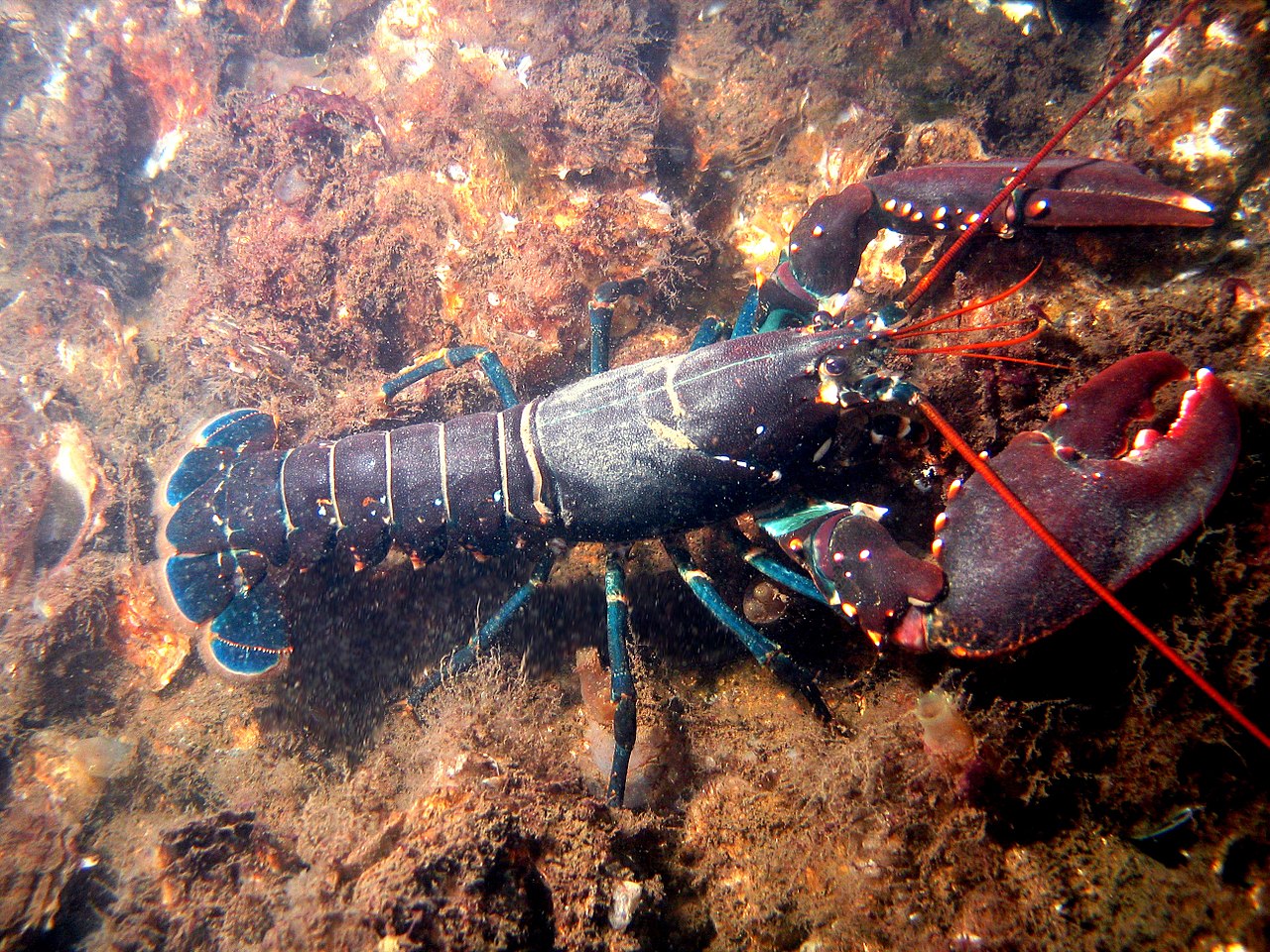
Lobsters have hard exoskeletons, which are like armor to protect them! Their bodies are long, and they have big claws called chelae. The color can change depending on their environment, but when cooked, they turn a bright red! 🔴These sea critters can also regenerate lost limbs! Lobsters have long antennae and compound eyes, which help them find food and avoid danger. They use their tails to swim backward quickly when they need to escape! 🏃♂️💨
Go deeper🦵 Taxonomy And Classification
Lobsters belong to the order Decapoda, which means "ten-footed." 🦵 They have eight walking legs and two claws, making a total of ten limbs! The scientific name is Nephropidae. There are two main types: American lobsters (Homarus americanus) found in the Atlantic Ocean, and European lobsters (Homarus gammarus) found in the waters around Europe. 🗺️ Other relatives include shrimps and crabs! Lobsters have been around for millions of years, making them one of Earth's ancient creatures! 🌊
Go deeper🍽️ Human Interactions And Fisheries
Humans have loved lobsters for a long time! 🍽️ In the United States, lobsters are a popular seafood choice, especially in New England. Lobster fishing is an important industry, providing jobs and delicious meals! 🚢Fishermen use traps to catch lobsters, and there are rules to help protect them, like size limits and breeding seasons. Lobsters are sometimes featured in fun events, like lobster festivals and competitions! But it's important to manage lobster populations to keep them healthy and thriving for years to come! 🌊
Go deeper