Nanga Parbat Facts For Kids
Nanga Parbat, known locally as Diamer, is the ninth-highest mountain on Earth, with a summit at 8,126 meters above sea level, located in the western Himalayas of Pakistan.
Select reading age

Nanga Parbat Facts For Kids
Videos & Quizzesincluded
About this topic
Nanga Parbat is an incredible mountain located in Pakistan! 🏔️ It stands 8,126 meters (26,660 feet) tall, making it the ninth-highest mountain in the world. Its name means "Naked Mountain" in Hindi and Urdu. People often call it the "Killer Mountain" because many climbers have found it very difficult to climb. Nanga Parbat is part of the Himalayas, a huge mountain range that stretches across several countries. It is a popular destination for adventurous climbers, and people come from all over the world to try and reach its summit! 🚶♂️🌏
Explore with ChatDinoKey Points
Many brave climbers have attempted to conquer Nanga Parbat!
The area around Nanga Parbat is home to a variety of plants and animals!
Nanga Parbat has a fascinating climbing history!
The weather on Nanga Parbat can be unpredictable!
Climbing Nanga Parbat is a big challenge because of its steep slopes and difficult weather.
Protecting Nanga Parbat and its natural environment is very important!
Nanga Parbat is not only a mountain but part of the local culture and history!
Nanga Parbat is located in the Gilgit-Baltistan region of Pakistan.
Climbers use several main routes to reach the top of Nanga Parbat.
Photos of Nanga Parbat
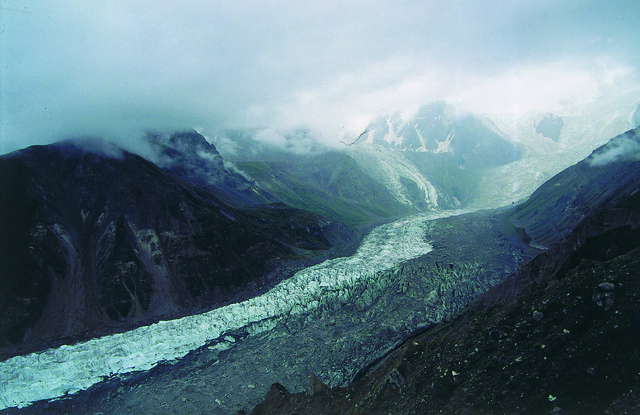
Rakhiot glacier is located on part of the mountain

Nanga Parbat as viewed from Karakoram Highway

Nanga Parbat and the moraine below it, seen from Fairy Meadows

Nanga Parbat Rakhiot Face from Fairy Meadows

Aerial view of the northern face of Nanga Parbat as seen from above Fairy Meadows

Nanga Parbat Rupal Base camp, Gilgit Baltistan

At 4,100 m (13,450 ft), near the Rakhiot Base Camp

View from Latbo village. For a sense of scale, notice a four-man yellow tent, dwarfed by the peak, near the bottom right. Just above the tent is a large white building.
🏆 Famous Climbers
Many brave climbers have attempted to conquer Nanga Parbat! 🏆Some famous climbers include Hermann Buhl, who was the first to reach the summit, and Reinhold Messner, known for his daring climbs. 👣Another well-known climber is Gerlinde Kaltenbrunner, the first woman to summit without supplemental oxygen! 🥇These climbers inspire others to face challenges and explore the beauty of mountains. Their stories of adventure teach us about perseverance and courage. Who knows, maybe you’ll be the next famous climber! 🌟
Go deeper🌼 Flora And Fauna
The area around Nanga Parbat is home to a variety of plants and animals! 🌼At lower altitudes, you'll find trees like pine and cedar. As you climb higher, the trees shrink, and colorful wildflowers peek through the rocks. 🌸Wildlife includes ibex (a type of wild goat), snow leopards, and even golden eagles soaring high above! 🦅These animals have adapted to the mountain’s environment, showing us how nature can thrive in tough conditions. Remember to admire these beautiful creatures while exploring nature!
Go deeper🧗♀️ Climbing History
Nanga Parbat has a fascinating climbing history! 🧗♀️ The first successful ascent was made on July 3, 1953, by Hermann Buhl, an Austrian climber. Before this achievement, many climbers had tried but failed due to harsh conditions and difficult terrain. Due to its challenges, it earned the nickname "Killer Mountain." Since then, many climbers have reached its summit, but others have faced struggles. Adventure seekers continue trying to conquer this amazing peak! 🌟It shows us how brave people can be!
Go deeper⛈️ Weather Conditions
The weather on Nanga Parbat can be unpredictable! ⛈️ In the summer, temperatures can be pleasant, but it can get extremely cold during winter. Windspeeds can reach over 100 km/h (62 mph)! Climbers must be prepared for rain, snow, and sudden temperature changes. ❄️ Summers (June to September) are the best time to climb because it’s drier, while winters can be very harsh. Weather plays a big role in climbing adventures, and being ready for changes is vital to stay safe! 🌤️
Go deeper❗ Challenges And Risks
Climbing Nanga Parbat is a big challenge because of its steep slopes and difficult weather. ❗The mountain has many dangers, including avalanches and rockfalls. 🌨️ Climbers must know how to handle these risks and be careful. Many climbers have faced the physical challenge of high altitude, which can make them feel sick! It’s essential for climbers to train and prepare well to increase their chances of success and keep everyone safe. 🏃♂️
Go deeper🌱 Conservation Efforts
Protecting Nanga Parbat and its natural environment is very important! 🌱Organizations are working to promote eco-friendly climbing and minimize trash left by climbers. Local communities are involved in conservation efforts too, helping to keep the area clean while enjoying nature. 🌳Tours are encouraged to leave nothing behind so that generations can enjoy the beauty of the mountain. We all can help protect nature and keep amazing places like Nanga Parbat beautiful for the future! 🌼✨
Go deeper🌍 Cultural Significance
Nanga Parbat is not only a mountain but part of the local culture and history! 🌍The people living nearby, called the Balti people, have a rich culture that cherishes their mountain. They have stories and legends about Nanga Parbat that have been passed down for generations. Festivals are held to celebrate this majestic mountain and its significance. 🎉The mountain attracts climbers and visitors, creating a bond between nature and the local community. Their respect for Nanga Parbat is truly inspiring!
Go deeper🌄 Geography And Location
Nanga Parbat is located in the Gilgit-Baltistan region of Pakistan. This stunning mountain is surrounded by beautiful valleys, lakes, and rivers. The city closest to Nanga Parbat is Gilgit, which is about 80 kilometers away. 🌄Tourists often visit the area, admiring its breathtaking scenery. The mountain's unique shape is made up of rocky cliffs and glaciers. The Rupal Face, on one side, is the world's highest mountain face! 🗻It’s a truly remarkable place filled with nature's beauty!
Go deeper🌈 Major Routes And Features
Climbers use several main routes to reach the top of Nanga Parbat. The two most popular routes are the Diamir Face and the Rupal Face. The Diamir route is known for its stunning views but can be tricky! 🌈The Rupal Face is taller than the Eiffel Tower in Paris! Both routes have unique features like steep cliffs, glaciers, and rocky paths. ⚠️ The mountain is surrounded by beautiful nature, offering climbers a chance to explore incredible landscapes filled with breathtaking views.
Go deeper