Nacre Facts For Kids
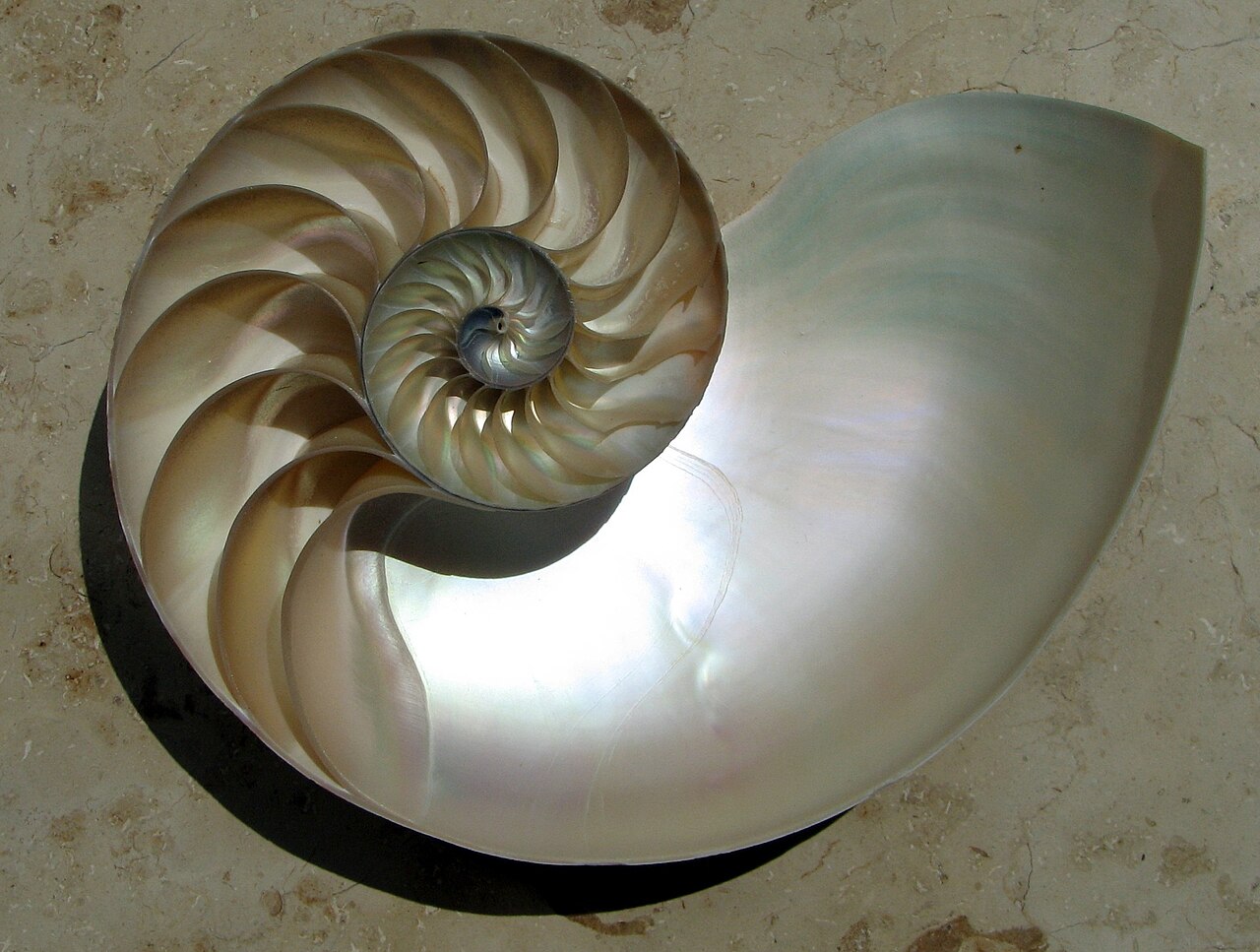
Nacre, also known as mother-of-pearl, is an amazing organic–inorganic composite material produced by some molluscs, serving as a protective inner shell layer.
Select reading age
Nacre Facts For Kids
Videos & Quizzesincluded
About this topic
Nacre, often called mother-of-pearl, is a shiny substance found inside the shells of certain molluscs like oysters and abalones. 🌊This beautiful material has been admired for thousands of years and is used in jewelry and decorations! Nacre protects the soft bodies of these sea creatures by forming a smooth, hard layer in their shells. The color of nacre can differ in shades, including pink, blue, and green. 🌈Nacre is not just pretty; it also helps molluscs feel safe from predators. The next time you visit the beach or eat seafood, remember the wonders of nacre! 🐚
Explore with ChatDinoKey Points
Nacre is truly unique!
Nacre is made up of tiny crystals and proteins.
When a mollusc gets a grain of sand or an irritant inside its shell, it starts to create nacre to protect itself.
Nacre has been cherished across many cultures.
People have loved nacre for centuries!
Nacre is not just pretty; it also has special uses in medicine!
Scientists are busy studying nacre to unlock its secrets!
Nacre plays an important role in marine ecosystems!
Many molluscs create nacre, but the most famous ones are oysters and abalones.
Photos of Nacre


Nacreous shell worked into a decorative object

Schematic of the microscopic structure of nacre layers

Electron microscopy image of a fractured surface of nacre

Nacre — photo 5
![Fossil nautiloid shell with original iridescent nacre in fossiliferous asphaltic limestone, Oklahoma. Dated to the late Middle Pennsylvanian, which makes it by far the oldest deposit in the world with aragonitic nacreous shelly fossils.[29]](https://upload.wikimedia.org/wikipedia/commons/thumb/0/0b/Fossil_nautiloid_shell_with_original_iridescent_nacre_in_fossiliferous_asphaltic_limestone.jpg/960px-Fossil_nautiloid_shell_with_original_iridescent_nacre_in_fossiliferous_asphaltic_limestone.jpg)
Fossil nautiloid shell with original iridescent nacre in fossiliferous asphaltic limestone, Oklahoma. Dated to the late Middle Pennsylvanian, which makes it by far the oldest deposit in the world with aragonitic nacreous shelly fossils.[29]


Nacre — photo 8

Nacre — photo 9
💪 Properties Of Nacre
Nacre is truly unique! One of its most fascinating properties is being very strong and flexible at the same time! 💪Unlike most materials, it can bend without breaking, which helps it resist cracks. It also reflects light beautifully, giving it that stunning shine! 🌞Scientists found that nacre can absorb shocks, making it tough enough to protect molluscs from predators. The smooth surface of nacre is also easy to clean, which is one reason why it’s popular in making jewelry and art. 🌸With its amazing properties, nacre shows how nature combines beauty and strength!
Go deeper🧪 Composition Of Nacre
Nacre is made up of tiny crystals and proteins. 🧪Specifically, it's around 95% aragonite crystals, a form of calcium carbonate, and 5% organic material, including proteins. These crystals are arranged in a special way that gives nacre its beautiful sheen! ✨The layers of nacre are built up slowly over time, each adding to the strength and luster. The crystals are very small—only a tiny fraction of a millimeter! ❤️ This unique combination makes nacre both strong and lightweight, perfect for protecting molluscs while also catching the eye of humans.
Go deeper🐢 Formation Process Of Nacre
When a mollusc gets a grain of sand or an irritant inside its shell, it starts to create nacre to protect itself. 🐢The mollusc secretes layers of nacre around the irritant, much like making a cozy blanket. Each layer gets added carefully, making the nacre thicker and shinier over time. 🌟This process can take years, as some molluscs add thousands of layers! That’s why if you find a beautiful pearl, it means the mollusc has worked very hard to create it! Nacre formation is a true masterpiece of nature! 🎨
Go deeper🌏 Cultural Significance Of Nacre
Nacre has been cherished across many cultures. 🌏In Ancient Egypt, it was used as a decoration for tombs. In East Asian cultures, nacre is often found in traditional crafts and art. 🌸Many indigenous peoples also admired nacre for its beauty, using it in ceremonies and adornments. Some cultures believe that nacre has protective properties, bringing good luck! 🍀Today, nacre is still loved, inspiring artists and designers worldwide. This shows how natural materials can connect us to our history and cultures while creating beauty in everyday life!
Go deeper🎨 Uses Of Nacre In Art And Design
People have loved nacre for centuries! 🎨It's often used in the creation of stunning jewelry, like earrings and necklaces. Beautiful in its shine, nacre can also be crafted into decorative items like buttons, picture frames, and musical instruments! 🎶In some cultures, it's even used to make inlays in furniture, creating captivating designs. Nacre has been used in art from places like Japan and Europe, where artisans create beautiful designs. Its unique appearance adds elegance to many items and brings a piece of the ocean into our homes! 🏡
Go deeper🏥 Nacre In Medicine And Technology
Nacre is not just pretty; it also has special uses in medicine! 🏥Scientists have discovered that nacre can help heal wounds and bones. Thanks to its natural properties, it can be used in making medical devices, like sutures and implants. Some researchers are also studying how it can be applied to drug delivery systems! 🧬The unique structure of nacre helps it to gradually release medicine in a controlled way. This means nacre can potentially enhance healing while being safe for our bodies. 🦴The future looks bright with nacre!
Go deeper🧐 Research And Future Applications
Scientists are busy studying nacre to unlock its secrets! 🧐Research is ongoing to explore how nacre could be used in futuristic applications like biocompatible materials for body implants or even building materials for homes. With its incredible strength, researchers think nacre can inspire new technology! 🌈Future studies might lead to even more surprises in medicine, environmental solutions, and art! The continued exploration of nacre reminds us to appreciate nature and discover the amazing possibilities it offers to improve our lives. Who knows, perhaps nacre will lead us to incredible innovations! 🌟
Go deeper🌊 Nacre's Role In Marine Ecosystems
Nacre plays an important role in marine ecosystems! 🌊Molluscs that produce nacre are crucial for maintaining healthy ocean environments. They provide habitats for other tiny sea creatures and are a food source for many fish and birds. 🐠Oysters, in particular, help clean the water by filtering it and removing unwanted particles. This keeps the ocean clean! By understanding nacre’s role in marine life, we can see how every part of the ecosystem is connected. Protecting these molluscs means preserving the entire ocean ecosystem! 🌍
Go deeper🐚 Types Of Molluscs That Produce Nacre
Many molluscs create nacre, but the most famous ones are oysters and abalones. 🐚Oysters live in oceans and are often found in warm waters, like the Gulf of Mexico or the Caribbean Sea. 🌊Abalones also reside in the ocean, but they prefer cooler waters, such as those around California! In addition, some freshwater molluscs, like certain clams, also produce nacre. 🌼Each type has its unique color and pattern of nacre, making every shell special! By learning about these molluscs, we appreciate how nature works its magic in creating beautiful treasures.
Go deeper