Myrtus Communis Facts For Kids
Myrtus communis, or common myrtle, is a flowering evergreen shrub known for its aromatic leaves, beautiful flowers, and edible berries, predominantly found in Mediterranean regions.
Select reading age

Myrtus Communis Facts For Kids
Videos & Quizzesincluded
About this topic
Myrtus communis, also called common myrtle or true myrtle, is a lovely plant that grows mainly in the Mediterranean region 🌍. It has beautiful green leaves and pretty white or purple flowers that smell wonderful! 🌸The myrtle plant can grow up to 5 meters tall (about 16 feet), and its berries are small and blue-black. People have been using myrtle for thousands of years for decoration and to make yummy dishes! It’s not just a plant; it has a rich and exciting history too! Let's dive in and learn more about this special plant! 🌿
Explore with ChatDinoKey Points
Myrtus communis is not just pretty; it’s also tasty!
Like many plants, Myrtus communis can face some pesky problems!
Myrtus communis is not considered endangered and is relatively common in its native habitats.
Myrtus communis loves warm, sunny places!
Myrtus communis has been used for centuries in traditional medicine.
Myrtus communis has shiny, dark green leaves that are around 3-8 cm long (about 1-3 inches) 🍃.
In ancient Rome, myrtle was a symbol of love and peace.
The common myrtle belongs to the family Myrtaceae 🌳, which includes many other amazing plants like eucalyptus and guava.
If you want to grow your own Myrtus communis, it’s pretty simple!
Photos of Myrtus Communis

Myrtus Communis — photo 1

Myrtus Communis — photo 2
Myrtus Communis — photo 3

Myrtus Communis — photo 4
Myrtus Communis — photo 5
🍽️ Culinary Uses
Myrtus communis is not just pretty; it’s also tasty! 🍽️ The leaves of the myrtle plant can be used as a spice in cooking, adding a unique flavor to dishes. People often use dried myrtle leaves in Mediterranean cooking, especially in sauces and marinades. The berries are edible too and can be made into jams or even used in desserts! 🍇If you’ve tasted a Mediterranean dish, chances are myrtle was involved subtly adding to the deliciousness! This plant certainly brings flavor to our plates! 🌟
Go deeper🐛 Pests And Diseases
Like many plants, Myrtus communis can face some pesky problems! 🐛Some common pests include aphids, which are tiny bugs that suck plant juices. 🐜You might also find spider mites. If your plant looks sick, make sure to check for these little critters. It's important to keep the plant healthy by providing proper care and inspecting for issues regularly. However, with good care, most myrtles can grow strong and flourish in gardens! 🌿A gardener's watchful eye can keep the myrtle plant thriving!
Go deeper🌍 Conservation Status
Myrtus communis is not considered endangered and is relatively common in its native habitats. 🌍However, climate change and habitat loss can threaten many plants, including myrtle. 🌡️ It’s essential to take care of our environment by planting native species and ensuring healthy ecosystems! 🌱Local efforts to conserve habitats can help support this beautiful plant's growth. By protecting it, we also protect all the animals and insects that rely on myrtle as part of their homes! Together, we can play a role in keeping our planet vibrant! 🌎✨
Go deeper🌞 Ecological Habitats
Myrtus communis loves warm, sunny places! 🌞You can often find it growing in dry, rocky areas and coastal regions of the Mediterranean. This plant is great at adapting, so you may even find it in sandy soil or on hills. 🏞️ It serves as a home for many insects such as bees and butterflies 🐝🦋, which help to pollinate its flowers. Birds also enjoy the berries, making myrtle an important part of the ecosystem. 🌿Every plant plays an important role in its habitat, creating a beautiful balance in nature!
Go deeper🌿 Medicinal Properties
Myrtus communis has been used for centuries in traditional medicine. 🌿People believed it could help with various health issues. The leaves contain essential oils, which are thought to have antibacterial and anti-inflammatory properties! 🦠✨ Often made into infusions, these oils may help soothe sore throats and even treat skin problems. However, it’s always best to consult with a doctor before trying any plant for health! 🩺Nature has so many ingredients that can help us feel better when used carefully!
Go deeper🍃 Physical Description
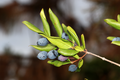
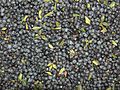
Myrtus communis has shiny, dark green leaves that are around 3-8 cm long (about 1-3 inches) 🍃. The flowers can be white or pale pink, usually blooming in the summertime! 🌼When the flowers fall off, they turn into little berries that are blue-black and about 1 cm (0.4 inches) long. These berries not only look great but are also tasty! The whole plant is aromatic, meaning it has a strong, pleasant smell that many people enjoy. Can you imagine walking through a garden filled with these fragrant plants? 🌺
Go deeper💗 Cultural Significance
In ancient Rome, myrtle was a symbol of love and peace. 💗People used it to make garlands for weddings and special ceremonies! The Romans believed that myrtle brought happiness and prosperity. It was even associated with their goddess Venus, the goddess of love! 💍Nowadays, many countries still use myrtle for decoration, especially during holidays. In some cultures, it is thought to bring good luck and protection! Isn’t it fascinating how a plant can hold different meanings in various cultures? 🌍✨
Go deeper🌳 Taxonomy And Nomenclature
The common myrtle belongs to the family Myrtaceae 🌳, which includes many other amazing plants like eucalyptus and guava. It has a scientific name, Myrtus communis. It was first described by a famous botanist named Carl Linnaeus! 🧑🔬 Myrtus is the genus name, and communis means "common." The myrtle plant is native to countries like Greece and Italy but has spread to different parts of the world, including California! 🌎Isn’t it interesting to think about how a plant can travel so far?
Go deeper🌱 Propagation And Cultivation
If you want to grow your own Myrtus communis, it’s pretty simple! 🌱The best time to plant seeds is in spring after the frost has passed. They love sunny spots, so find a bright area in your garden! 🌞Keep the soil moist but not soggy. In just a few weeks, you might see tiny shoots sprouting up! 🌿You can also take cuttings from a mature myrtle plant to grow new ones. It’s like cloning a plant! Growing your own myrtle can be a fun project and will beautify your garden!
Go deeper