Mutare Facts For Kids
Mutare is a picturesque city in Zimbabwe's Eastern Highlands, known for its natural beauty, rich history, and cultural diversity.
Select reading age

Mutare Facts For Kids
Videos & Quizzesincluded
About this topic
Mutare is a city in Zimbabwe, located in the eastern part of the country 🌍. It is the capital of the Manicaland province and has a population of around 200,000 people! Mutare is also known for its beautiful scenery, including mountains and forests 🌲🏞️. The city has a mix of cultures and languages, with English, Shona, and Ndebele being spoken by the people. Mutare is often called the "Gateway to the Eastern Highlands" and is famous for its friendly communities and lovely climate!
Explore with ChatDinoKey Points
The economy of Mutare is diverse!
Mutare has a fascinating history!
Mutare attracts many visitors who want to explore its beauty!
Education is important in Mutare, and there are many schools available for children.
Mutare is surrounded by stunning natural beauty!
Getting around Mutare is easy!
There are some amazing landmarks in and around Mutare!
Mutare is home to a rich mix of cultures and traditions.
Photos of Mutare

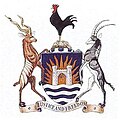
Mutare — photo 2

Main Street looking southwards, June 1997

Greater Mutare as viewed from Christmas Pass


Mutare Catholic Church
🏙️ Economy
The economy of Mutare is diverse! 🏙️ The city relies on several industries, including agriculture, mining, and manufacturing. Farmers around Mutare grow crops like tea, coffee, and fruits. 🍵🍍 The nearby mountains also have rich mineral deposits, including gold and iron. Small businesses play a big role in the city's economy too! On weekends, markets bustle with traders selling handmade crafts, fresh produce, and tasty local foods. 🥕🥗
Go deeper💰 History
Mutare has a fascinating history! It was founded in the 1890s as a mining town when people discovered rich gold deposits in the area 💰. Originally named "Umtali," the city grew quickly. In 1982, it became known as Mutare. During the Zimbabwe War of Liberation in the 1970s, Mutare was an important place for political activities 🏛️. After Zimbabwe became independent in 1980, Mutare continued to develop as a key city in the country.
Go deeper🌄 Tourism
Mutare attracts many visitors who want to explore its beauty! 🌄Tourists can enjoy the nearby Mutare Botanic Gardens, which is home to over 900 plant species 🌺. Visitors often hike in the Eastern Highlands or go birdwatching in the lush forests. There are lovely guesthouses and hotels where tourists can stay, such as the Vumba Mountain Lodge. 🏨With warm people and breathtaking views, Mutare is a perfect destination for nature lovers and adventurers alike!
Go deeper🏫 Education
Education is important in Mutare, and there are many schools available for children. 🏫The city has both public and private schools, where children learn subjects like math, science, and languages. There are also colleges and training centers for higher studies. One well-known institution is Mutare Polytechnic, which offers vocational training for various careers. 🎓The goal of education in Mutare is to help children grow into skilled and responsible adults.
Go deeper🏔️ Geography
Mutare is surrounded by stunning natural beauty! 🏔️ It is situated on the banks of the Mutare River, near the eastern border of Zimbabwe with Mozambique 🌊🇲🇿. The region has a mild climate, and the area is known for its lush vegetation, making it a popular spot for agriculture 🌾. The city is close to the Eastern Highlands, which include beautiful mountains like the Nyanga Range and Vumba Mountains. These mountains are great for hiking and exploring nature!
Go deeper🚍 Transportation
Getting around Mutare is easy! 🚍The city has many ways to travel, including buses, taxis, and bicycles. Public transport is affordable and helps people get to work or school. The main road connects Mutare to other cities, like Harare, the capital of Zimbabwe. 🚗There is even a railway station that connects to the national train system, making it easy to explore further. For fun, many kids and families also enjoy riding bikes on the city's scenic paths.
Go deeper🏰 Notable Landmarks
There are some amazing landmarks in and around Mutare! 🏰One popular spot is the Mutare Museum, which tells the story of the city's history and culture. The Chikurubi Hill, which overlooks the city, is a great place for beautiful views. Another interesting place is the Vumba Botanical Gardens, filled with unique plants and flowers 🌸. The city's vibrant markets, like the Sakubva Market, are must-see landmarks where colorful crafts and fresh food are sold. Visitors love taking photos and enjoying the sights! 📸
Go deeper🎨 Culture And Society
Mutare is home to a rich mix of cultures and traditions. 🎨The people celebrate different festivals, music, and dance from both Shona and Ndebele communities. Art is very important, with colorful crafts and paintings often showcased in the local markets. Families gather for traditional meals like sadza (a cornmeal dish) and meat dishes 🍲. The community is very close-knit, and everyone loves to help each other, creating a warm friendly atmosphere in the city!
Go deeper