Multicellular Organism Facts For Kids
A multicellular organism is an organism that consists of more than one cell, unlike unicellular organisms.
Select reading age
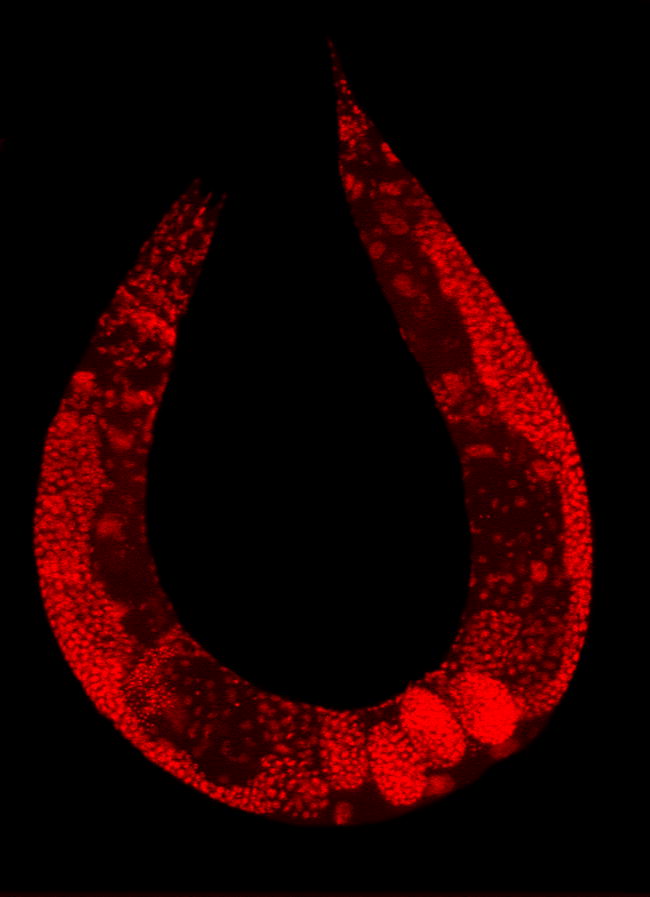
Multicellular Organism Facts For Kids
Videos & Quizzesincluded
About this topic
Multicellular organisms are super cool beings made of more than one cell! 🦠Unlike unicellular organisms, which have just one cell, multicellular organisms can grow large and complex. Think of creatures like animals, plants, and even some fungi! 🌳🐶 They can be tiny like a bug or gigantic like a blue whale, which can weigh as much as 33 elephants! 🐘Isn’t that amazing? Different cells work together in multicellular organisms, helping them to survive and thrive in their environments, making Earth a diverse and lively place!
Explore with ChatDinoKey Points
Multicellular organisms have evolved over millions of years!
Multicellular organisms reproduce in exciting ways!
There are three main types of multicellular organisms: animals, plants, and fungi!
Multicellular organisms often adapt to their environments to survive better.
Cells that work together form tissues, which are groups of similar cells that perform a specific function.
Multicellular organisms are living things composed of a group of cells.
In multicellular organisms, cells become specialized to perform specific tasks.
Multicellular organisms have organ systems made up of different organs that work together to perform important functions.
Multicellular organisms are different from unicellular organisms in many ways!
Photos of Multicellular Organism

The Colonial Flagellate Hypothesis proposes that multicellular organisms evolved from a single flagellated cell. it is believed that a group of these unicellular flagellates combine to form an aggregate then form a sphere which develops specialized cells (such as reproductive cells), and then fold in on themselves to create a tissue layer.
🦖 Evolutionary Significance
Multicellular organisms have evolved over millions of years! 🦖The first multicellular life appeared about 600 million years ago! 🌊These organisms slowly adapted and changed, giving rise to new species. Evolution helps organisms become better suited to their environments, allowing them to survive and pass on their traits. 🌱For example, plants developed flowers to attract pollinators like bees, leading to more food and diversity. 🐝All these changes contribute to the tapestry of life we see on Earth today!
Go deeper✨ Reproduction And Development
Multicellular organisms reproduce in exciting ways! ✨Many animals have babies or young ones, while plants can grow new plants from seeds! 🌱Some multicellular organisms reproduce through a process called mitosis, where one cell divides into two! In humans, babies grow inside their mothers until they are ready to be born! 👶For plants, seeds can remain dormant until the right conditions for growth come, like water and sunlight. 🌞Each way of reproduction ensures that multicellular life continues on Earth!
Go deeper🐾 Types Of Multicellular Organisms
There are three main types of multicellular organisms: animals, plants, and fungi! 🐾🌷🍄 Animals, like lions and dolphins, move around and hunt for food. Plant life, such as trees and flowers, make their food from sunlight through a process called photosynthesis. 🌞Fungi, like mushrooms, break down dead matter to recycle nutrients back into the soil. 🌱Each type has unique features that help them survive in different environments. For instance, a cactus can live in the desert, while a whale swims in the ocean.
Go deeper🦉 Adaptations In Multicellular Life
Multicellular organisms often adapt to their environments to survive better. 🦉For instance, polar bears have thick fur and blubber to keep warm in the icy Arctic! ❄️🐻 Creatures can also have different colors, sizes, or behaviors that make them fit perfectly in their homes. 🌍For example, chameleons can change color to blend into their surroundings, helping them hide from predators! 🦎These amazing adaptations allow multicellular organisms to thrive in diverse habitats, from the deepest ocean to the tallest mountain!
Go deeper🌈 Structure And Function Of Tissues
Cells that work together form tissues, which are groups of similar cells that perform a specific function. 🌈For instance, muscle tissue helps us move, while nerve tissue carries signals throughout our body! 🏃♂️🧠 Some plants have vascular tissue that transports water and nutrients, allowing them to grow tall! 🌳There are four main types of tissues in animals: muscle, nerve, epithelial (skin), and connective (holds everything together)! Together, all these tissues make different organs and systems that help multicellular organisms live!
Go deeper🤗 Definition Of Multicellular Organisms
Multicellular organisms are living things composed of a group of cells. 🤗Each cell has a special job, and they communicate with each other to keep the organism healthy. A fantastic example is us, humans! 👩👧👦 We have trillions of cells working together in our body. Some cells help us breathe, some help us digest food, and others fight off germs! 🦠Cells in multicellular organisms can be very different, but they all work together in harmony like a wonderful team!
Go deeper🌟 Cell Specialization And Differentiation
In multicellular organisms, cells become specialized to perform specific tasks. 🌟This process is called cell differentiation. For example, some cells become muscle cells that help us move, while others become nerve cells that send messages in our body! 🧠💪 Specialization allows multicellular organisms to work more efficiently. It's like a soccer team, where each player has a different role! ⚽When all the specialized cells cooperate, they create a strong and healthy organism.
Go deeper🏥 Organ Systems In Multicellular Organisms
Multicellular organisms have organ systems made up of different organs that work together to perform important functions. 🏥In humans, we have systems like the digestive system, which breaks down food, and the respiratory system, which helps us breathe! 🌬️ Different animals have unique organ systems suited to their lifestyles; for example, whales have blowholes to breathe at the surface of the ocean! 🌊Plants rely on their root systems to absorb water and nutrients from the soil. 🌱It’s incredible how each system is vital for the organism's survival!
Go deeper🌍 Comparative Biology: Multicellular Vs. Unicellular Organisms
Multicellular organisms are different from unicellular organisms in many ways! 🌍Unicellular organisms consist of just one cell, like bacteria and amoebas. 🦠They can reproduce quickly, but they have limited abilities. However, multicellular organisms can perform more complex tasks because of their specialized cells! 🤖For example, while bacteria can move, animals can think, feel, and respond to their environment in complex ways. 🥳Understanding both types helps scientists learn more about life and how all living beings interact! 🌱🌻
Go deeper