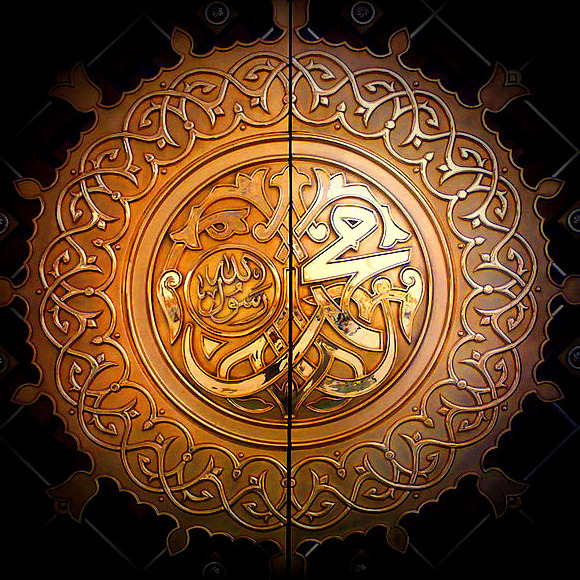
Muhammad was a very important man in history! πHe was born around the year 570 in Mecca, which is in present-day Saudi Arabia. Muhammad is known as the prophet of Islam, a religion that millions of people follow today. He taught about kindness, peace, and believing in one God. People listen to his teachings through the holy book called the Quran. πHe is respected by Muslims and remembered for his dedication to spreading messages of love and understanding. Muhammad passed away in 632 AD in Medina, but his teachings continue to inspire people around the world! π
Muhammad's teachings are about believing in one God, kindness, and taking care of others.
Muhammad introduced many social reforms that improved the lives of many people!
As a leader, Muhammad faced many challenges, including conflicts with those who opposed his teachings.
In the year 622, Muhammad and his followers faced serious trouble in Mecca.
Islam, the religion founded by Muhammad, has a huge impact all around the world!
In 632, Muhammad delivered his last sermon during the Hajj pilgrimage.
When Muhammad was 40 years old, something amazing happened!
In Medina, Muhammad became more than just a prophet; he became a leader!
Muhammad's teachings have greatly influenced Islamic thought over the years.
Photos of Muhammad
An early manuscript of Ibn Hisham's al-Sirah al-Nabawiyyah, believed to have been transmitted by his students shortly after his death in 833[6]: 61
Early manuscript of the Muwatta of Malik ibn Anas, dated within his lifetime c. 780[6]: 114
The birth of Muhammad in the 16th-century Siyer-i Nebi
Young Muhammad meets the monk Bahira. From Jami al-Tawarikh by Rashid al-Din Hamadani in Tabriz, Persia, c. 1315.
Miniature from Rashid al-Din Hamadani's Jami al-Tawarikh, c. 1315, illustrating the story of Muhammad's role in re-setting the Black Stone in 605 (Ilkhanate period)[60]
The cave Hira in the mountain Jabal al-Nour where, according to Muslim belief, Muhammad received his first revelation
Image of Gabriel visiting Muhammad from the Siyer-i Nebi
Dome of the Rock, built during the reign of Abdul Malik. Anachronistically associated[h] with the Isra and Miraj marking the place where the Prophet Muhammad is believed to have ascended to heaven.[139] See also:Al-Aqsa Mosque.
"The Prophet Muhammad and the Muslim Army at the Battle of Uhud", from the Siyer-i Nebi
π’ Early Life
Muhammadβs early life was not easy. He was born into the Quraysh tribe, which was powerful in Mecca. His father died before he was born, and his mother passed away when he was just six years old. π’He was raised by his grandfather and later by his uncle, Abu Talib. Despite these challenges, Muhammad grew up to be honest and trustworthy, earning the nickname "Al-Amin," which means "the trustworthy!" Being a merchant, he traveled a lot and learned about different cultures and people. This helped him become a great leader later on! π
Muhammad's teachings are about believing in one God, kindness, and taking care of others. πHe emphasized five important actions called the Five Pillars of Islam: declaring faith (Shahada), praying five times a day (Salah), giving to those in need (Zakat), fasting during the month of Ramadan (Sawm), and making a special journey to Mecca called Hajj. These teachings guide Muslims in how to live a good life. Muhammad taught that everyone should be treated equally, no matter their background, and he inspired people to seek justice and be compassionate. π
Muhammad introduced many social reforms that improved the lives of many people! π He taught the importance of treating women with respect and kindness, which was very different from life before. He encouraged education, helping people learn to read and write. Muhammad also spoke against unfair practices, like slavery, and urged for the care of the poor and orphans. His teachings helped create a society where everyone had rights and could live in peace. π
As a leader, Muhammad faced many challenges, including conflicts with those who opposed his teachings. βοΈ He led several military campaigns to protect the Islamic community. One key battle was the Battle of Badr in 624, where Muslims won against a larger Meccan army. This was a turning point for Muhammad and his followers! Other notable battles included the Battle of Uhud and the Battle of the Trench. Through these experiences, Muhammad taught his followers about courage, teamwork, and faith in God. πͺ
In the year 622, Muhammad and his followers faced serious trouble in Mecca. πMany people were against him and wanted to harm him. So, Muhammad decided to migrate to a place called Medina, which means "the City of the Prophet." People in Medina welcomed him with open arms! He helped unite different tribes and created a happy community where everyone could practice their beliefs freely. This journey is called Hijra, and it marks the beginning of the Islamic calendar! ποΈ
Islam, the religion founded by Muhammad, has a huge impact all around the world! πToday, there are about 1.9 billion Muslims, making it one of the largest religions. Islam promotes peace, charity, and understanding. Its teachings inspire people in different cultures, leading to amazing contributions in art, science, math, and literature. From Europe to Asia and Africa, Islamic ideas have influenced societies in multiple ways. Muhammadβs legacy and the teachings of Islam have paved paths for dialogue, friendship, and cooperation among people of different backgrounds. π€
In 632, Muhammad delivered his last sermon during the Hajj pilgrimage. πIn this important speech, he reminded people to treat each other kindly, respect women, and follow God's guidance. He encouraged unity among Muslims and stressed the importance of brotherhood. After he passed away, his teachings and actions became a guide for billions of people around the world. Muhammad is remembered as a role model for kindness, honesty, and belief in one God. His legacy continues to impact people positively today! πΌ
When Muhammad was 40 years old, something amazing happened! β¨He began to receive messages from God through the Angel Gabriel. This was the start of his prophethood! The first message told him to read and spread the words of God. Muhammad was chosen to share important teachings about faith, love, and helping others. He started telling people in Mecca about these messages, but not everyone was happy. Many leaders didnβt agree with his ideas, leading to challenges for Muhammad and his followers. ποΈ
In Medina, Muhammad became more than just a prophet; he became a leader! ποΈ He helped create the first Islamic community where everyone lived together peacefully. Muhammad made rules to help people treat each other kindly and fairly. He established the Constitution of Medina, which was an agreement among different tribes and religions to work together. This laid the foundation for a strong and united society where justice and respect were important parts of daily life. π
Muhammad's teachings have greatly influenced Islamic thought over the years. πHis sayings, known as Hadith, help Muslims understand how to live their lives based on his example. Scholars studied these teachings to create deep discussions about faith, morality, and community. Various schools of thought in Islam were built upon Muhammad's principles. They help guide how Muslims see the world, interact with others, and practice their beliefs. This thoughtful exploration allows the teachings of Islam to adapt while staying true to Muhammad's original message. π