Mudslide Facts For Kids
A mudslide is a rapid downhill movement of wet soil and debris, often triggered by heavy rainfall or seismic activity.
Select reading age
Mudslide Facts For Kids
Videos & Quizzesincluded
About this topic
Mudslides, also known as landslides, occur when heavy rain or melting snow causes soil and rocks to slide down a hill or mountain. 🌧️ These events can happen quickly and can be very dangerous! Mudslides can happen anywhere in the world where there are steep hills, especially after heavy rainfall. For example, in California, many mudslides occur in the winter months when it rains a lot! The sliding mud can be very messy and sometimes cover roads, homes, and trees. 🌳Learning about mudslides helps us stay safe and understand nature better!
Explore with ChatDinoKey Points
There are several types of mudslides that work differently!
Mudslides can happen for many reasons!
Mudslides have made history in many parts of the world!
To learn more about mudslides, there are fun books and websites!
There are ways to prevent and reduce the impact of mudslides!
Certain places in the world are more likely to have mudslides!
When a mudslide happens, it's important to have a plan!
Mudslides can have serious effects on the environment and communities.
Photos of Mudslide

The Mameyes mudflow disaster, in barrio Tibes, Ponce, Puerto Rico, was caused by heavy rainfall from Tropical Storm Isabel in 1985. The mudflow destroyed more than 100 homes and claimed an estimated 300 lives.
🌪️ Types Of Mudslides
There are several types of mudslides that work differently! 🌪️ The first type is a debris flow, where lots of mud, rocks, and other materials flow down together like a river. Then, there is a rotational slide, which happens when a big chunk of earth moves in a circular motion, causing a hole! 🚧A rockslide is when only rocks fall down a slope. An earthflow is a slower movement where a thick mass of wet earth slowly moves downhill. Each type of mudslide can cause different levels of damage and has unique characteristics!
Go deeper😊 Causes Of Mudslides
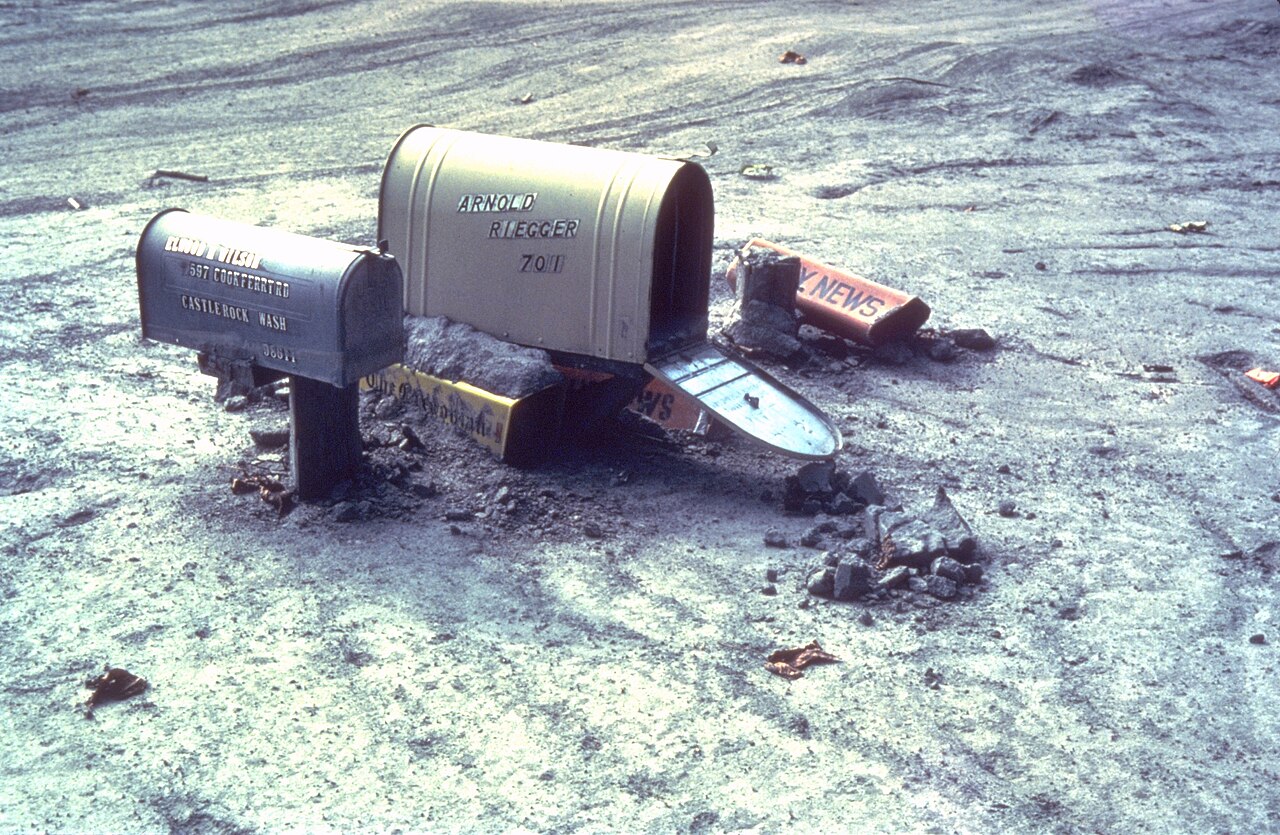
Mudslides can happen for many reasons! 😊The most common cause is heavy rain, which makes the soil loose and slippery. Another cause is earthquakes, which shake the ground and can cause soil to tumble down hills. 🌍Human activities like cutting down trees or building on steep slopes can also increase the chance of a mudslide. For instance, in Washington State, deforestation can lead to more mudslides. Other causes are snowmelt and volcanic eruptions, which can push water into the soil. Remember, the more water in the soil, the more likely a mudslide can happen!
Go deeper📜 Famous Mudslides In History
Mudslides have made history in many parts of the world! 📜One of the most famous was the Thistle mudslide in Utah, USA, in 1983. It blocked a river and created a new lake! Another significant event was the 1999 Puerto Rico mudslide, which sadly caused many damages and loss. In 2014, a devastating mudslide in Oso, Washington, led to the loss of lives and homes, highlighting the need for awareness. 🌏Each of these events shows us the power of nature and the importance of being prepared!
Go deeper📚 Further Research And Reading
To learn more about mudslides, there are fun books and websites! 📚"Mudslide" by John Bianchi is a great children's book that explains mudslides with exciting illustrations. The United States Geological Survey (USGS) has a website where you can find information about landslides. 🌐You can also explore documentaries and videos about mudslides on platforms like YouTube! Don't forget to talk to your teachers and parents about what you learn; sharing knowledge helps everyone understand nature better and stay safe!
Go deeper🔨 Prevention And Mitigation Strategies
There are ways to prevent and reduce the impact of mudslides! 🔨Engineers and scientists work on building strategies to keep people safe. One way is to plant trees and grass on hillsides to hold the soil in place. 🌱This makes it hard for mud to slide down. Creating drainage systems can help redirect rainwater away from hills. Buildings can also be placed in safer locations, away from steep slopes. Community education is important too! Teaching people about the signs of mudslides can help everyone stay safe when rains happen.
Go deeper🌍 Geographical Areas Prone To Mudslides
Certain places in the world are more likely to have mudslides! 🌍For example, areas with steep mountains and heavy rainfall, like the Pacific Coast of the United States, are at high risk. California and Washington State often face mudslides, especially after storms. Other regions prone to mudslides include parts of South America, like Colombia, and countries like Italy and Japan. 🗺️ These areas have the right weather, geography, and soil conditions for mudslides to take place. It’s important for people living in these regions to be aware and prepared!
Go deeper🚨 Emergency Response And Safety Measures
When a mudslide happens, it's important to have a plan! 🚨If you live in a place prone to mudslides, always listen to weather updates, as they often inform about risks. If you see signs like cracked earth or unusual sounds, evacuate immediately! Families should create emergency plans and know safer places to go. 🏃♂️ Fire departments and rescue teams are trained to respond quickly to mudslides, helping people and animals affected. Remember, the best safety measure is being aware and prepared, so everyone stays safe when nature strikes!
Go deeper🌳 Impact Of Mudslides On Environment And Community
Mudslides can have serious effects on the environment and communities. 🌳When a mudslide occurs, it can destroy trees, plants, and wildlife habitats. This can make it hard for animals to find food and homes. Mudslides can also damage roads, buildings, and infrastructure, making it difficult for people to travel and receive help. 🏠The community may need to rebuild, which can take a long time and costs a lot of money. Additionally, mudslides can pollute nearby rivers with mud and debris, affecting water quality for everyone!
Go deeper