A mountain is an elevated portion of the Earth's crust, generally with steep sides that show significant exposed bedrock.
Set reading age
View for Kids
Easy to read and understand
View for Students
Clear, detailed explanations
View for Scholars
Deep dives and big ideas
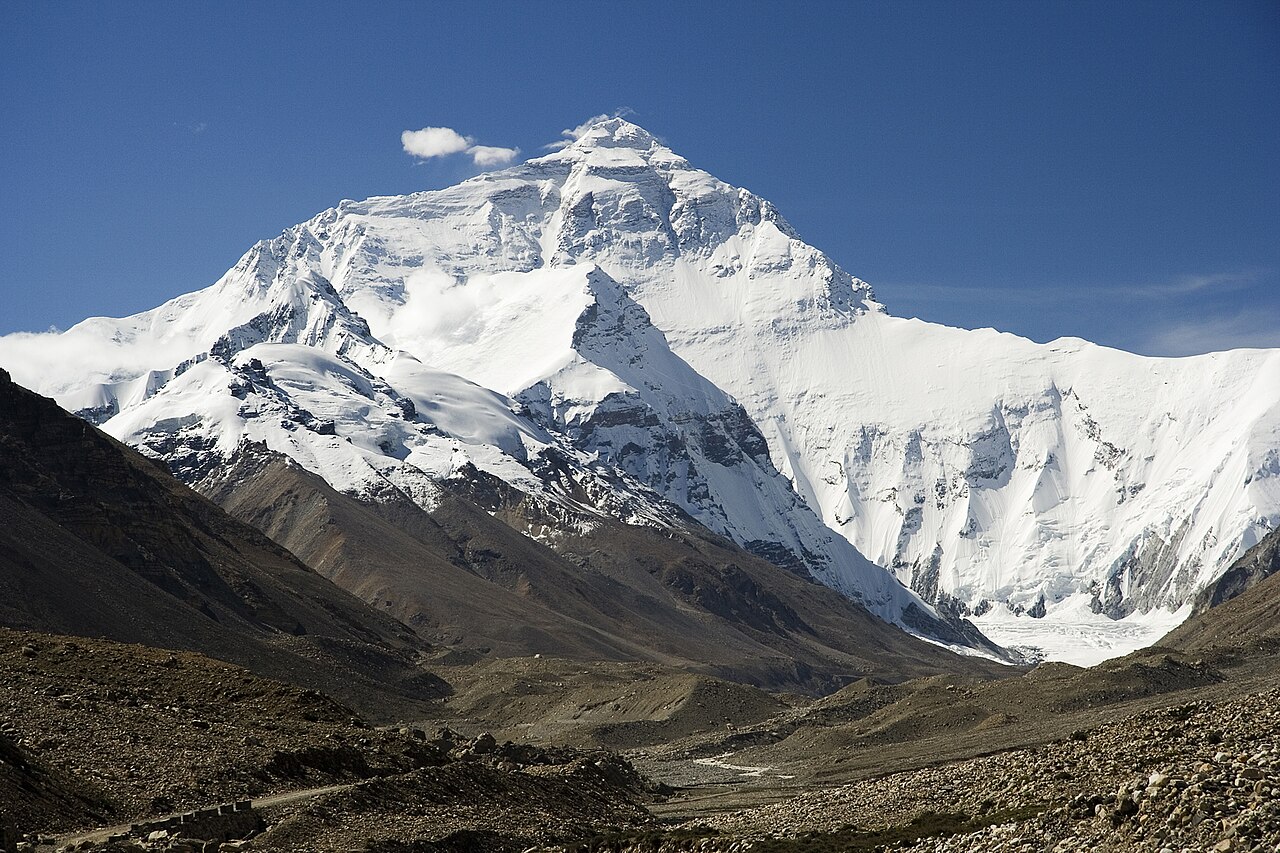
Mountains are big, tall parts of Earth ๐ that rise high above the land around them. They are usually much steeper than hills. Mountains are formed from rocks and can have different shapes and heights. The tallest mountain in the world is Mount Everest ๐๏ธ, which reaches 29,032 feet (8,848 meters)! Mountains can be found on every continent, and they are an important part of our planet's landscape. They provide homes for many animals and plants, and they are great places for fun activities like hiking and skiing! โท๏ธ Letโs explore mountains together!
There are four main types of mountains! โฐ๏ธ First, we have fold mountains, which bend from tectonic plates pushing together, like the Rocky Mountains in North America! Second are fault-block mountains, formed when blocks of the Earthโs crust break and shift, like Sierra Nevada. Third are volcanic mountains, made from volcanoes, like Mount St. Helens ๐. Lastly, we have uplifted mountains, which rise due to forces inside the Earth pushing them up. Cool, right? Each kind of mountain has its unique features and stories to tell!
Mountains are home to many different plants and animals ๐ฟ๐ป. As you go up a mountain, the climate gets cooler and the types of living things change! At lower levels, you might find trees and flowers, while higher up, you'll see tough plants like lichens. Animals like mountain goats ๐ and eagles ๐ฆ are often found in steep areas! Some mountains can even have snow at the top all year round! These ecosystems are delicate, so itโs important to take care of them. Mountains help keep the balance of nature by providing habitats and clean water! ๐ง
There are many famous mountain ranges around the world! ๐One of the most known is the Himalayas, which are home to Mount Everest. The Andes in South America are the longest mountain range, stretching over 4,300 miles (7,000 kilometers). The Rocky Mountains run through Canada and the United States ๐ฒ, while the Alps in Europe are popular for skiing and hiking. Each mountain range has its own unique features, climates, and biodiversity. These majestic mountains attract tourists from all around the globe, encouraging exploration and adventure! ๐บ๏ธ
Mountains are formed through a process called tectonic activity. This happens when huge plates of rock, called tectonic plates, move and push against each other. Sometimes, they crash together and create tall mountains, like the Himalayas ๐๏ธ, which formed millions of years ago! Sometimes, mountains can also form when volcanic eruptions happen ๐, producing huge amounts of lava that harden into rock. The Earth's crust bends and buckles, creating a lot of interesting shapes. Over time, weathering and erosion sculpt mountains into even more beautiful forms! ๐
Mountaineering is the adventurous activity of climbing mountains! ๐งโโ๏ธ People climb mountains for fun, fitness, and to enjoy the breathtaking views from the top! Some popular climbing destinations include Mount Kilimanjaro in Africa and the Alps in Europe. Climbing requires special gear like ropes, helmets, and climbing shoes. It can be challenging and risky, so climbers must learn about the mountain they are climbing. There are even famous climbers, like Sir Edmund Hillary, who was one of the first to reach the summit of Mount Everest. Climbing helps us appreciate nature! ๐๏ธ
Mountains have interesting geological features! ๐They can be made of different types of rocks, such as granite and limestone. Some mountains have ridges that form from the erosion of harder rocks, while valleys can form between mountains from natural forces like rivers and glaciers. Glaciers carve out beautiful shapes and valleys over time! In addition, mountains may have mineral deposits that are important for construction and industry. Learning about these geological features helps us understand the Earth's history and how these magnificent formations came to be! ๐
Mountains play a big role in many cultures around the world! ๐In some places, they are viewed as sacred or holy. For example, Mount Fuji in Japan is seen as a symbol of beauty and spirituality. People also tell stories and myths about mountains that explain how they were created. Many communities live near mountains and rely on them for food, water, and recreation! Mountains inspire art, music, and poems, capturing their beauty and the adventures they offer. ๐They connect people to nature and remind us of the world's wonders! โจ
Itโs important to protect mountain environments! ๐ฑMountains face many challenges, like climate change, pollution, and deforestation. These problems can harm the unique ecosystems and biodiversity found there. Conservation efforts focus on preserving natural resources and reducing human impact. Many national parks, like Yellowstone in the U.S., help protect these mountain habitats ๐ฆ. People can help by following rules when hiking and not littering. Supporting conservation organizations makes a difference too! By caring for mountains, we ensure they continue to inspire and provide for future generations! ๐
Mountains can change the weather! ๐ฆ๏ธ They often create different climates on their slopes. When warm air hits a mountain, it cools and creates clouds and rain, making one side lush and green. The other side, called the "rain shadow," may be dry and have deserts! ๐ตAlso, because mountains are tall, temperatures drop as you ascend. At the top, you may find snow and ice all year! ๐จ๏ธ Weather can be unpredictable in the mountains, so people must be prepared when they visit! Understanding this helps protect both visitors and wildlife! ๐๏ธ
๐๏ธ The tallest mountain in the world is Mount Everest, reaching 29,032 feet (8,848 meters)!
๐ Mountains are typically much steeper than hills.
๐ You can find mountains on every continent around the world.
๐ Volcanic eruptions can create mountains by hardening lava into rock.
๐๏ธ The Himalayas were formed from tectonic activity millions of years ago.
โฐ๏ธ There are four main types of mountains: fold, fault-block, volcanic, and uplifted mountains.
๐ Mountain ecosystems are home to unique plants and animals, including mountain goats and eagles.
๐งโโ๏ธ Mountaineering is the adventurous activity of climbing mountains for fun and fitness.
๐ Mountains are significant in many cultures and inspire art, music, and stories.
๐ Some geological features of mountains are made of rocks like granite and limestone, shaped by erosion.


DIY is a creative community where kids draw, build, explore ideas, and share.
No credit card required