Mount Sidley Facts For Kids
Mount Sidley is the largest volcano in Antarctica, known for its broad, gentle slopes and challenging climbing conditions, surrounded by a stunning icy landscape.
Select reading age
Mount Sidley Facts For Kids
Videos & Quizzesincluded
About this topic
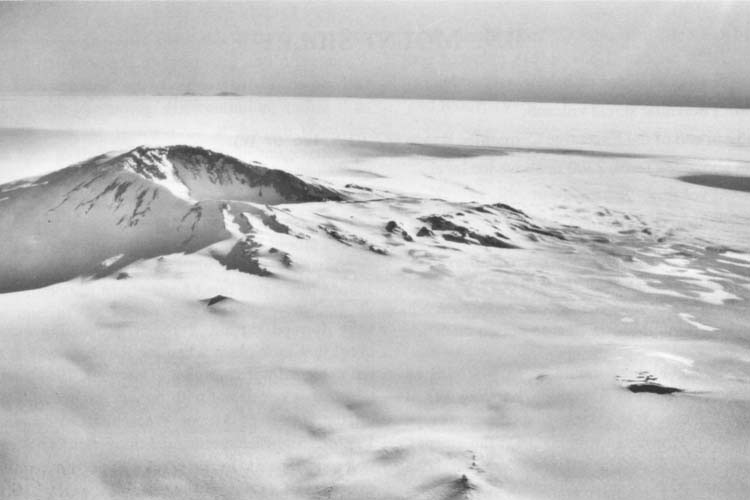
Mount Sidley is an exciting and special mountain located in Antarctica! 🏔️ It's the highest volcano in Antarctica, standing at 4,285 meters (14,034 feet) tall. Mount Sidley is part of a big area called the Executive Committee Range. It’s a beautiful, snow-covered volcano that makes scientists very curious. Because it’s so remote, very few people have visited it. Though it isn’t currently active, experts think it last erupted a long time ago—about 1 million years! Learning about Mount Sidley helps us understand volcanoes, climate, and the Earth’s past. 🌍
Explore with ChatDinoKey Points
Mount Sidley is a fascinating volcano with a rich geological history!
Protecting Mount Sidley and its environment is crucial!
Mount Sidley is not just important for science; it holds cultural significance, too!
Visiting Mount Sidley is an adventurous journey!
Mount Sidley is located in a chilly part of Antarctica, specifically in the Ross Dependency region.
The climate around Mount Sidley is super cold and windy!
Even though it's very cold, Mount Sidley and its surroundings are home to some tough little animals!
Exploring Mount Sidley is a thrilling adventure for scientists!
Photos of Mount Sidley

Topographic map of Mounts Sidley and Waesche (1:250,000 scale)

Landsat 8 image of Mount Sidley and the Executive Committee Range
🌋 Geological History
Mount Sidley is a fascinating volcano with a rich geological history! 🌋It is made from layers of lava that formed thousands of years ago. Scientists believe it once erupted millions of years ago, creating a large cone-shaped mountain. Over time, the lava cooled, and glaciers shaped its sides, giving it a smooth and beautiful outline. ⛰️ Because there is so much ice and snow covering the mountain, studying it helps scientists learn more about how volcanic eruptions happen and how they affect the climate.
Go deeper🌱 Conservation Efforts
Protecting Mount Sidley and its environment is crucial! 🌱Many nations work together to preserve Antarctica as a scientific reserve. There are rules in place to manage activities like tourism and research, ensuring the area remains clean and safe for nature. Scientists study how human activities can impact the delicate ecosystem. 🦩Groups and organizations help raise awareness about climate change, encouraging people to support conservation efforts around the world. Together, we can help protect this unique mountain and other amazing places on our planet! 🌏
Go deeper🌐 Cultural Significance
Mount Sidley is not just important for science; it holds cultural significance, too! 🌐Indigenous peoples of the broader regions might reflect a connection to the ice and mountains in their stories. The challenging nature of Antarctica inspires adventure and discovery, encouraging kids all over the world to learn about Earth. 📚Mount Sidley reminds us that even the coldest places can be fascinating and important to explore, and it teaches us to respect our planet’s wonders and take care of them.
Go deeper🌄 Visiting Mount Sidley
Visiting Mount Sidley is an adventurous journey! 🌄First, you need to travel to a place like McMurdo Station on Antarctica. From there, climbers usually take a small airplane or helicopter close to the mountain. The adventure begins with special gear for the freezing temperatures! ❄️ Guided tours are offered by expert climbers and scientists who ensure safe exploration. Although only a few people have made it to the top, the experience of seeing the breathtaking views and nature is unforgettable. Always remember, respecting the environment is key! 🌍
Go deeper❄️ Geography And Location
Mount Sidley is located in a chilly part of Antarctica, specifically in the Ross Dependency region. ❄️ This area is very icy, with lots of snow and strong winds. Mount Sidley is surrounded by other tall mountains and ice-covered landscapes that make it look stunning and almost otherworldly! The nearest city, McMurdo Station, is about 200 kilometers (124 miles) away. In fact, accessing Mount Sidley is challenging since it’s so remote, and the weather can be quite harsh! 🌬️ The mountain is a real treasure waiting to be explored!
Go deeper🥶 Climate And Environment
The climate around Mount Sidley is super cold and windy! 🥶During summer, which happens between December and February, temperatures can sometimes reach –10°C (14°F). But during winter, it can drop to –50°C (-58°F)! ❄️ The environment is very harsh, with strong gusts of wind and lots of snow. This makes it challenging for animals and plants. However, it is a unique place where scientists study how climate change affects ice, glaciers, and volcanic activity! Understanding the climate here helps us take care of our planet’s future. 🌱
Go deeper🐧 Wildlife And Ecosystems
Even though it's very cold, Mount Sidley and its surroundings are home to some tough little animals! 🐧The most well-known ones are the Emperor Penguins that live in nearby areas. These penguins are amazing swimmers and can dive deep into the icy waters! 🐟The mountain itself doesn’t have many plants because of the harsh conditions, but scientists find interesting microbial life that can survive in extreme temperatures. Learning about life in such an extreme place helps scientists understand how life can adapt even in tough environments. 🧬
Go deeper🌍 Exploration And Research
Exploring Mount Sidley is a thrilling adventure for scientists! 🌍The first recorded ascent was made in 1990 by a team of climbers from the United States. Today, researchers visit the mountain to study its geology, climate, and the ice that surrounds it. They use special equipment to measure volcanic activity and collect samples. 🧪Scientists hope to learn how volcanoes in cold areas behave and how they affect global climate patterns. Researching Mount Sidley helps us uncover the mysteries of Earth's processes. 🔍
Go deeper