Mount Erebus Facts For Kids
Mount Erebus is an active stratovolcano located in Antarctica, famous for its persistent lava lake and unique geological features.
Select reading age

Mount Erebus Facts For Kids
Videos & Quizzesincluded
About this topic
Mount Erebus is an amazing volcano located on Ross Island in Antarctica! 🌋It is one of the most active volcanoes in the world and stands at about 3,794 meters (12,448 feet) tall. Mount Erebus is unique because it has a persistent lava lake at its summit, which means there is always molten lava inside! The volcano has been erupting almost continuously since 1972. This special place is named after Erebus, the Greek god of darkness. Scientists study Mount Erebus to learn more about volcanoes and the Earth's geology. 🧪
Explore with ChatDinoKey Points
Mount Erebus is famous for its constant volcanic activity!
Mount Erebus can be dangerous due to its volcanic activity.
Visiting Mount Erebus is special but can be tricky!
Mount Erebus was discovered in 1841 by a British explorer named Sir James Clark Ross.
Mount Erebus is made up of volcanic rock, and its shape is called a stratovolcano.
Scientists are very interested in Mount Erebus.
Mount Erebus holds importance for the Antarctic research community.
Even though Mount Erebus is mostly covered in ice and rocks, some special creatures can be found there!
Photos of Mount Erebus

Photograph of Mount Erebus (and Adélie penguins) taken by the Terra Nova expedition in 1913

Aerial view of Mount Erebus craters
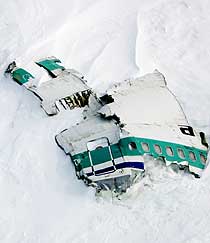
Wreckage of Flight 901

Satellite picture of Mount Erebus showing glow from its persistent lava lake

Mount Erebus is in the west center

Mt Erebus, Antarctica

Mount Erebus in December 1955

Erebus Glacier Tongue
🕯️ Volcanic Activity
Mount Erebus is famous for its constant volcanic activity! 🕯️ Every few minutes, it releases tiny gases and ash into the air. It also has a lava lake that bubbles and glows bright orange, which can be seen from miles away. Sometimes, the lava lake creates small explosions, sending bits of ash and gas into the sky. The volcano's last major eruption happened in 1984, but it continues to be active today. Scientists monitor Mount Erebus with special equipment to keep track of its eruptions and study the gases it releases.
Go deeper🌋 Hazards And Safety
Mount Erebus can be dangerous due to its volcanic activity. 🌋This includes explosive eruptions that can send ash and gases into the air. Because of this, researchers must follow strict safety rules when exploring the area. They wear special gear, keep a safe distance, and always listen to warnings about eruptions. The weather conditions in Antarctica can also be harsh, with extreme cold and strong winds. It's important for everyone visiting the volcano to be prepared and work with experienced guides to stay safe while learning about this powerful natural wonder! 🧊
Go deeper🧳 Tourism And Access
Visiting Mount Erebus is special but can be tricky! 🧳Most people reach the volcano by joining research expeditions or guided tours. Tourists often come in the summer months when weather conditions are milder. The nearest town is McMurdo Station, which is about 40 kilometers (25 miles) away. During these trips, visitors can experience the breathtaking views, learn about volcanoes, and sometimes see the molten lava lake! While tourism is limited in Antarctica to protect the environment, those who do visit Mount Erebus take home unforgettable memories of this unique and mesmerizing place! ❄️
Go deeper⚓ Exploration History
Mount Erebus was discovered in 1841 by a British explorer named Sir James Clark Ross. He named the volcano after the Greek god of darkness! ⚓It wasn't until the 1950s that scientists started studying the volcano closely. In 1972, researchers began to discover the secrets of Erebus by using cameras and instruments to watch its volcanic activity. Since then, scientists from many countries, including the United States and New Zealand, have visited Mount Erebus to share their findings and learn more. Explorers have learned a lot about how volcanoes work from studying this amazing volcano!
Go deeper🚧 Geological Features
Mount Erebus is made up of volcanic rock, and its shape is called a stratovolcano. These volcanoes are tall and have steep sides, formed by layers of lava and ash. 🚧This volcano has a crater that is about 400 meters (1,312 feet) wide, and it's filled with glowing lava! The temperature inside the lava lake can reach around 1,300 degrees Celsius (2,372 degrees Fahrenheit)! Erebus is located on the edge of the Antarctic continent, surrounded by icy landscapes and beautiful glaciers. The ground around the volcano has different colors because of the minerals in the rocks.
Go deeper🔬 Scientific Research
Scientists are very interested in Mount Erebus. 🔬They study its eruptions, gases, and the lava lake inside. The volcano helps researchers understand how volcanoes create energy and how they can affect the atmosphere. The gases released from Erebus can affect weather patterns, which is why scientists measure them carefully. They also study how the lava lake behaves and what materials can be found beneath the surface. Overall, Mount Erebus is an important site for scientific research that helps keep our world safe and healthy! 🌎
Go deeper🌍 Cultural Significance
Mount Erebus holds importance for the Antarctic research community. 🌍Many scientists who study the volcano learn valuable information about Earth's geology and climate change. Erebus is also part of the rich history of exploration in Antarctica. Its enigmatic presence in the frozen landscape has inspired stories, legends, and adventures from scientists and explorers. The volcano reminds people of the incredible power of nature, making it a significant landmark in understanding how volcanoes work and how our planet changes!
Go deeper🦙 Ecosystem And Wildlife
Even though Mount Erebus is mostly covered in ice and rocks, some special creatures can be found there! 🦙Penguins, seals, and different types of birds live in the colder areas of Antarctica. The volcanic heat helps create unique habitats where some microbes and tiny insects thrive. These fascinating organisms have adapted to survive in extreme conditions. The nearby icy waters are filled with different sea life, too! It’s important to take care of the environment around Mount Erebus to protect its wildlife for future generations. 🌊
Go deeper