Moshe Safdie Facts For Kids
Moshe Safdie is an influential Israeli-Canadian architect known for his innovative approach to design and urban planning.
Select reading age
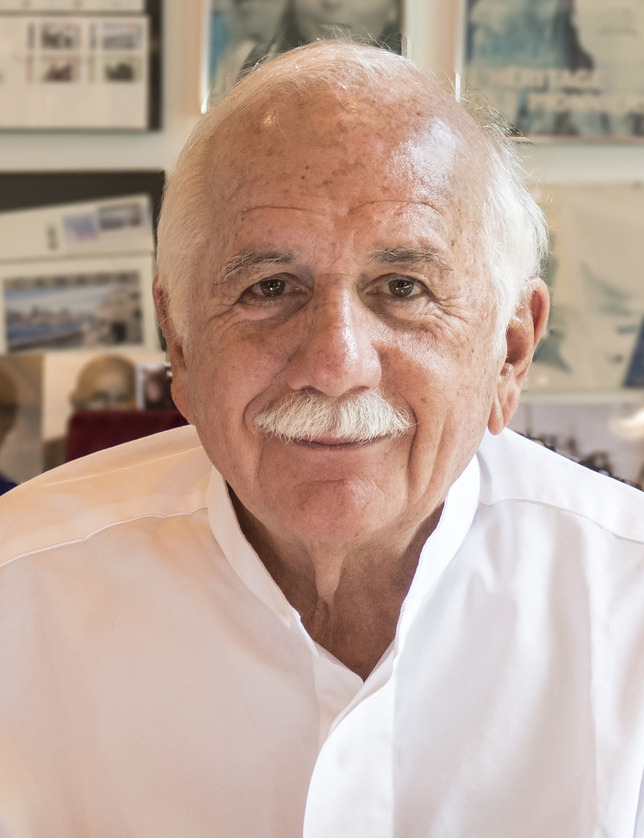
Moshe Safdie Facts For Kids
Videos & Quizzesincluded
About this topic
Moshe Safdie is a famous architect born on July 14, 1938, in Haifa, Israel 🇮🇱. He moved to Canada when he was just 23 years old! He is known for designing beautiful and unique buildings around the world 🌍. Safdie's work focuses on blending nature with cities, making spaces that are both functional and artistic. He believes buildings should make people feel good and connect them with the environment. Moshe has received many awards for his amazing designs, and he inspires young architects to think creatively! 🎨🏛️
Explore with ChatDinoKey Points
Moshe Safdie grew up in Israel before moving to Canada 🏡.
Some of Moshe Safdie's most famous works are Habitat 67 in Montreal, the Marina Bay Sands in Singapore 🌊, and the Crystal Bridges Museum of American Art in Arkansas 🇺🇸.
Moshe Safdie believes buildings should be friendly to both people and nature 🌼.
Safdie's architectural style is called "brutalism" and "modernism" 🏢.
Moshe Safdie's incredible work has earned him many awards!
Moshe Safdie's work will always be remembered in the world of architecture!
Moshe Safdie cares about the environment!
Moshe Safdie has changed how cities are built!
Throughout his career, Moshe Safdie has worked with many talented people.
Photos of Moshe Safdie

Habitat 67, in Montreal

Jewel Changi Airport, Singapore, 2019

Moshe Safdie — photo 3
Moshe Safdie — photo 4

Class of 1959 chapel, Harvard. My own photo.

Moshe Safdie — photo 6

Moshe Safdie — photo 7

Moshe Safdie — photo 8

The Old City Hall, Sussex Drive, Ottawa
🏡 Biography
Moshe Safdie grew up in Israel before moving to Canada 🏡. He studied architecture at McGill University in Montreal. His first big project was Habitat 67, built for a World Expo in Montreal. This project combined homes, gardens, and connecting bridges! 🏗️ After that, he worked on many projects, like the National Gallery of Canada in Ottawa and Yad Vashem in Jerusalem. Over the years, Moshe has traveled to many countries and learned about different cultures 🌏. Through his experiences, he creates buildings that tell a story and bring people together. His work is both beautiful and functional!
Go deeper🌊 Notable Works
Some of Moshe Safdie's most famous works are Habitat 67 in Montreal, the Marina Bay Sands in Singapore 🌊, and the Crystal Bridges Museum of American Art in Arkansas 🇺🇸. Habitat 67 is known for its unique, stacked apartments that look like a giant puzzle! 🧩Marina Bay Sands has three towers and a rooftop pool that overlooks the city. The Crystal Bridges Museum has beautiful wooden structures and is surrounded by nature. Each building is special and shows Safdie's love for architecture and nature. These projects attract many visitors and make people appreciate art and design! 🎭
Go deeper🌼 Design Philosophy
Moshe Safdie believes buildings should be friendly to both people and nature 🌼. He often designs spaces to create connections between inside and outside. For example, he includes gardens, water features, and open areas. Moshe thinks that buildings should improve their surroundings, not harm them. He wants people to feel happy and inspired when they visit his structures. Also, he encourages architects to think about the community when designing buildings so they become an important part of people's lives 👫. This philosophy helps create spaces that are both useful and beautiful!
Go deeper🏢 Architectural Style
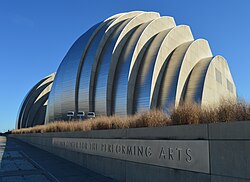
Safdie's architectural style is called "brutalism" and "modernism" 🏢. Brutalism uses raw concrete and bold shapes, while modernism focuses on simplicity and nature. He often uses natural light to make spaces feel bright and energizing ☀️. His designs blend in with their surroundings, like parks or trees 🌳. For example, the Kauffman Center for the Performing Arts in Kansas City shows curvy shapes that mimic waves! Safdie believes that designs should be inviting and encourage people to explore. This style is not just about how buildings look, but also how they feel when you are inside them!
Go deeper🏆 Awards And Recognition
Moshe Safdie's incredible work has earned him many awards! 🏆He received the prestigious AIA Gold Medal from the American Institute of Architects in 2015. He has also won several honors from different countries for his contributions to architecture, including … the Canadian Architect Award of Excellence, given to outstanding architects in Canada 🇨🇦. His designs have been featured in many magazines like Architectural Digest and Time. People around the world admire his creative vision and dedication to making the built environment more beautiful and meaningful! 🌟
Go deeper🏛️ Legacy In Architecture
Moshe Safdie's work will always be remembered in the world of architecture! 🏛️ He has inspired countless young architects to think creatively and care about people and the environment. His designs, like Habitat 67 and Marina Bay Sands, demonstrate how buildings can be beautiful, functional, and connected to nature. As more people learn about his work, they will carry on his legacy by creating spaces that improve cities and communities. Moshe's vision will help shape the future of architecture, showing everyone that buildings can be art that brings joy and connection! 🎉
Go deeper🌱 Sustainability Practices
Moshe Safdie cares about the environment! 🌱He believes architects should use sustainable materials and practices. For example, in his designs, he often includes energy-efficient systems, like solar panels and green roofs 🌞. This helps reduce pollution and helps save energy. Moshe encourages the use of local resources so that the buildings fit harmoniously in their surroundings. He also promotes designing spaces that maximize natural light, reducing electricity usage. Safdie's commitment to sustainability shows how architecture can positively impact the planet. People can enjoy beautiful buildings while helping the Earth at the same time!
Go deeper🏙️ Impact On Urban Development
Moshe Safdie has changed how cities are built! 🏙️ His designs help create spaces that bring communities together. For example, Habitat 67 showed that homes can be combined with parks and play areas. Moshe teaches the importance of public spaces, encouraging people to gather, socialize, and enjoy their surroundings. His work has inspired cities to think about how buildings can support communities, making cities more alive and engaging for everyone. When his ideas are put into action, people feel proud of their neighborhoods and enjoy living in them more!
Go deeper🌟 Collaborations And Influences
Throughout his career, Moshe Safdie has worked with many talented people. He collaborates with artists, engineers, and urban planners to create amazing structures 🌟. Some of his influences include famous architects like Louis Kahn and Le Corbusier, who taught him about design principles and materials. Moshe has also been inspired by cultures around the world, drawing ideas from nature and traditional building styles. These collaborations and influences help him create unique and thoughtful projects that reflect the communities he designs for, making them special and meaningful to everyone! 👫
Go deeper