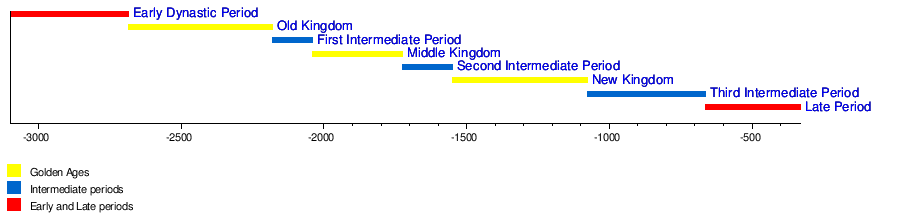
The Middle Kingdom of Egypt was a unified and prosperous period in ancient Egypt from about 2050 to 1710 BCE, marked by strong pharaohs, cultural achievements, and a flourishing economy.
The Middle Kingdom of Egypt lasted from about 2050 BC to 1710 BC. πThis time was special because it marked a time of unity and prosperity after a chaotic period called the First Intermediate Period. During this time, the pharaohs were like kings who ruled, and people worked together to build amazing things! The capital city was Thebes, located near the Nile River. πThe Nile provided water and fertile land to grow crops, making life better for everyone in ancient Egypt.
A figure wearing the red crown of Lower Egypt and whose face appears to reflect the features of the reigning king, most probably Amenemhat II or Senwosret II. It functioned as a divine guardian for the imiut, and it is wearing a divine kilt, which suggests that the statuette was not merely a representation of the living ruler.[15]
A rare etched carnelian bead excavated in Egypt, and thought to have been imported from the Indus Valley civilization through Mesopotamia, in an example of Egypt-Mesopotamia relations. Abydos tomb 197, Late Middle Kingdom. Now in Petrie Museum ref. UC30334, London.[49][50]
π Key Pharaohs
One of the most famous pharaohs was Senusret III. πHe ruled during the Middle Kingdom and was known for his military conquests and building projects. Another notable pharaoh, Amenemhat II, was great at trade and made lots of allies! π€These rulers helped expand Egypt's territory and influence. During this time, the pharaohs built temples and pyramids, creating lasting monuments to their power and leadership!
The economy of the Middle Kingdom grew strong thanks to trade! πEgyptians exchanged goods with nearby countries, like Nubia and the Levant. They traded items like gold, grain, and textiles for valuable resources like timber and incense. Ships traveled along the Nile to transport products, helping connect different areas. This trade made people wealthy and allowed them to improve their lives. πΆThe economy flourished, leading to even more achievements!
After years of fighting, the Middle Kingdom helped to reunite Egypt! βThis happened when Pharaoh Mentuhotep II beat the rulers of the north, bringing peace and order back to the country. The Middle Kingdom was known for its many achievements in art, literature, and building. The people were very creative and wanted to improve their lives. πΊThis was a time when many stories and tales were told, and sculptures and paintings filled temples and homes!
Pharaohs during the Middle Kingdom often led military campaigns to expand their territory. βοΈ They sent armies to Nubia to the south and fought off rivals to protect their borders. This military strength not only kept Egypt safe but also provided more resources for the people. The pharaohs were respected as great leaders who could protect their kingdom, and victories in battle helped grow their reputation! π₯
The Middle Kingdom had a strong political system. πThe pharaoh was at the top and was considered a god! Below the pharaoh were officials who helped him rule. They managed different areas, like farming, trade, and the army. The Vizier was the pharaohβs right-hand helper, making sure everything ran smoothly. Local leaders, called nomarchs, took care of cities and districts. This structure made it easier to collect taxes and ensure people followed the laws! π
Egyptians built amazing structures during the Middle Kingdom. ποΈ Temples made of stone were created to honor their gods, and impressive statues were carved to stand guard. The most famous site is the Karnak Temple, found in Thebes! This massive complex showcases beautiful hieroglyphs (writing) and elaborate carvings. The architecture was grand! They also constructed the famous rock-cut tombs, which allowed pharaohs to be buried in style and safety, prepared for the afterlife! π€
The Middle Kingdom left behind a lasting legacy that continues to inspire! πThe achievements in art, literature, and architecture influenced later civilizations, including the New Kingdom. Many of the stories and myths from this time are still told today. The way they built their society, with strong leaders and a focus on community, is still admired. πAncient Egyptians created a foundation that helped shape the world we know now!
The Middle Kingdom was a time of creativity! π¨Egyptians wrote stories and poems that were passed down through generations, like the famous "Tale of Sinuhe." They also created wonderful pieces of art, including sculptures and jewelry, showing their skills. πMusic and dance were important, too! Festivals and celebrations brought people together, allowing them to enjoy fun activities like games and food! Who doesn't love a good feast? π
Life in the Middle Kingdom was busy! πΎPeople worked hard as farmers, craftsmen, and laborers. Most lived in small homes made of mud bricks. Families cooked, made clothes, and even wove baskets. π§ΊChildren went to school to learn to read and write, which was important for becoming a scribe! Families celebrated festivals together, enjoying music, dance, and delicious food. This sense of community helped everyone feel connected and happy! π
Religion played a big part in the lives of ancient Egyptians. They believed in many gods and goddesses, each with different powers. πFor example, Ra was the sun god and Osiris was the god of the afterlife. Egyptians built temples and offered food to their gods to gain their favor! They thought that when the pharaoh died, he would become one with the gods, ensuring peace and prosperity for the kingdom. Spiritual beliefs guided their daily lives! π«