Melursus Ursinus Facts For Kids
The sloth bear, known as Melursus ursinus, is a medium-sized bear found in the Indian subcontinent, recognized for its shaggy black fur and unique diet of insects.
Select reading age
Melursus Ursinus Facts For Kids
Videos & Quizzesincluded
About this topic
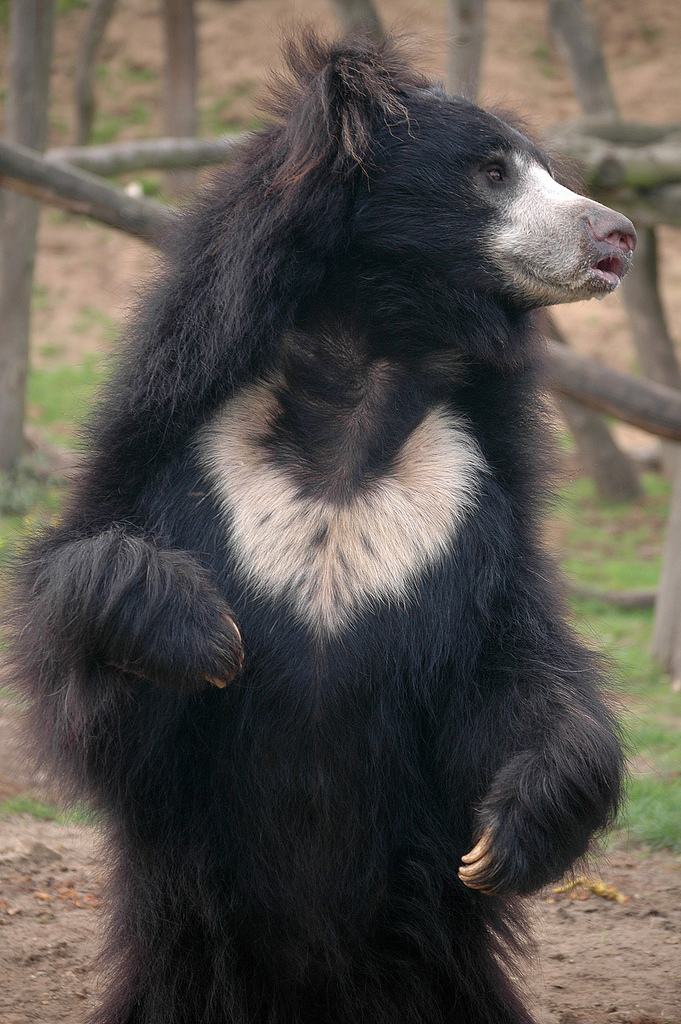
The sloth bear (Melursus ursinus) is a unique bear species found in the Indian subcontinent, including countries like India, Nepal, and Sri Lanka. 🐻Known for its shaggy black fur and a white "V" shape on its chest, these bears are super special! They are myrmecophagous, which means they mostly eat ants and termites. Sloth bears have long, curved claws that help them dig into nests to find their food. These friendly bears can weigh between 180 to 300 pounds—yeah, that’s a lot! Sloth bears are mostly active at night, so they are nocturnal explorers! 🌜
Explore with ChatDinoKey Points
The sloth bear is classified as "Vulnerable" on the IUCN Red List, which helps protect endangered animals.
In many cultures, sloth bears are seen as symbols of strength!
Sloth bears are expert insect hunters!
Sloth bears love to roam in various habitats like forests, grasslands, and scrublands.
Sloth bears often encounter humans since their habitats overlap with villages and agricultural areas.
Sloth bears are distinct with their long, shaggy fur that can be black or a dark brown color.
Sloth bears have a fascinating life cycle!
Sloth bears are mostly solitary animals, which means they love their alone time!
Sloth bears face several threats, like habitat loss due to deforestation, agriculture, and hunting.
Photos of Melursus Ursinus

Melursus Ursinus — photo 1

Melursus Ursinus — photo 2

Melursus Ursinus — photo 3

Skulls of a Sri Lankan sloth bear (left) and a common sloth bear (right) from the Muséum national d'histoire naturelle

Male Sri Lankan sloth bear

Sloth bears playing

A Sri Lankan bear in a tree

Seven-day-old bear cubs, rescued from a building site where they had been born

A mother with a cub on her back at the Daroji Sloth Bear Sanctuary, India
😢 Conservation Status
The sloth bear is classified as "Vulnerable" on the IUCN Red List, which helps protect endangered animals. 😢This means there are fewer sloth bears in the wild than before. Habitat loss due to deforestation and agriculture affects their living space. Many sloth bears are also hunted for their fur or to be used in traditional medicine. Conservation efforts are essential to ensure that sloth bears can thrive in their natural habitats and continue to roam the forests of India, Nepal, and Sri Lanka! 🌍Protecting these bears is important so future generations can enjoy their unique beauty!
Go deeper🏆 Cultural Significance
In many cultures, sloth bears are seen as symbols of strength! 🏆They often appear in stories, myths, and even cartoons. In Indian culture, some people believe that sloth bears can bring good luck, while others admire their ability to survive in diverse environments. 🐻The bears are celebrated in local festivals and sometimes appear in traditional dances. Additionally, sloth bears are depicted in folktales as clever animals, showcasing their importance in the culture. These fascinating creatures continue to inspire stories and creativity in the societies where they live! 📚
Go deeper🐜 Diet And Feeding Habits
Sloth bears are expert insect hunters! Their favorite meals include ants, termites, and bee larvae. 🐜They use their long snouts to sniff out these tasty treats and their powerful claws to dig into mounds. Fun fact: sloth bears can eat up to 20,000 insects in a day! 🤯Sometimes, they also munch on fruits, honey, and leaves. Sloth bears have a unique way of feeding: they make loud noises while eating, which helps them be heard by others, even if they're digging deep underground! Their strong sense of smell allows them to find food even when it is hidden.
Go deeper🌳 Habitat And Distribution
Sloth bears love to roam in various habitats like forests, grasslands, and scrublands. 🌳🦋 They can be found in several locations, including the Western Ghats and parts of Central India. Their favorite spots have a good supply of ants and termites. Sloth bears can also live in hilly areas or even near villages! They prefer warm climates, as they thrive in the sun. However, they need plenty of shady trees to rest under during hot days! 🏖️ In the wild, sloth bears roam large territories, which can cover up to 12 square kilometers just in search of food!
Go deeper🏡 Interactions With Humans
Sloth bears often encounter humans since their habitats overlap with villages and agricultural areas. 🏡Sometimes this leads to conflicts, especially when bears search for food in crops or gardens. On the bright side, many people in India and Sri Lanka appreciate these bears, trying to learn ways to coexist peacefully with them. Educational programs teach communities about why sloth bears are important for the environment. 🌏Many organizations work tirelessly to protect the habitat of these bears and raise awareness about conservation. When we understand and respect these animals, we create a better world for both bears and humans! 😄
Go deeper🖤 Physical Characteristics
Sloth bears are distinct with their long, shaggy fur that can be black or a dark brown color. 🖤Their furry bodies measure about 5 to 6 feet long and can stand around 2 to 3 feet tall when on all fours! They have a unique snout that looks long and slender, perfect for smelling out tasty insects. Their eyes are small, but their eyesight is excellent! Sloth bears also have really big, sharp claws. These claws help them climb trees to escape predators or to find yummy food. 🐾With their distinctive fur and features, sloth bears are super easy to spot in the wild!
Go deeper🐻 Reproduction And Life Cycle
Sloth bears have a fascinating life cycle! 🐻When female sloth bears are ready to mate, they attract males through special scents. After a successful courtship, the female gives birth to one to three cubs after about 6 to 7 months of pregnancy. The adorable little cubs are born blind and covered in soft fur. 🍼Cubs stay close to their mom for safety and learn to find food together! They usually stay with their mother for about 1 to 2 years before becoming independent. As they grow, cubs learn how to climb trees and dig for insects, becoming skillful sloth bears! 🌱
Go deeper🧘♂️ Behavior And Social Structure
Sloth bears are mostly solitary animals, which means they love their alone time! 🧘♂️ However, they might hang out with other bears during the mating season or when mothers are caring for young cubs. They use unique sounds like growls and hoots to communicate with one another. 🦜Sloth bears also show interesting behaviors like climbing trees to escape danger and sleeping during the day! At night, they become active and explore their surroundings. While they may look soft and cute, it's important to give these bears space, as they can be protective and fierce if they feel threatened! ⚠️
Go deeper🌲 Threats And Conservation Efforts
Sloth bears face several threats, like habitat loss due to deforestation, agriculture, and hunting. 🌲As more forests are cut down, these bears have less space to live and find food. Additionally, human-wildlife conflicts can put them at risk. However, there are ongoing conservation efforts to help sloth bears! Location-based projects are helping to create safe areas for them to roam freely while educating people about sloth bears’ importance. 🛡️ Wildlife organizations focus on protecting their habitats, researching their behaviors, and helping local communities to promote coexistence with these majestic creatures. Together, we can help sloth bears thrive! 💚
Go deeper