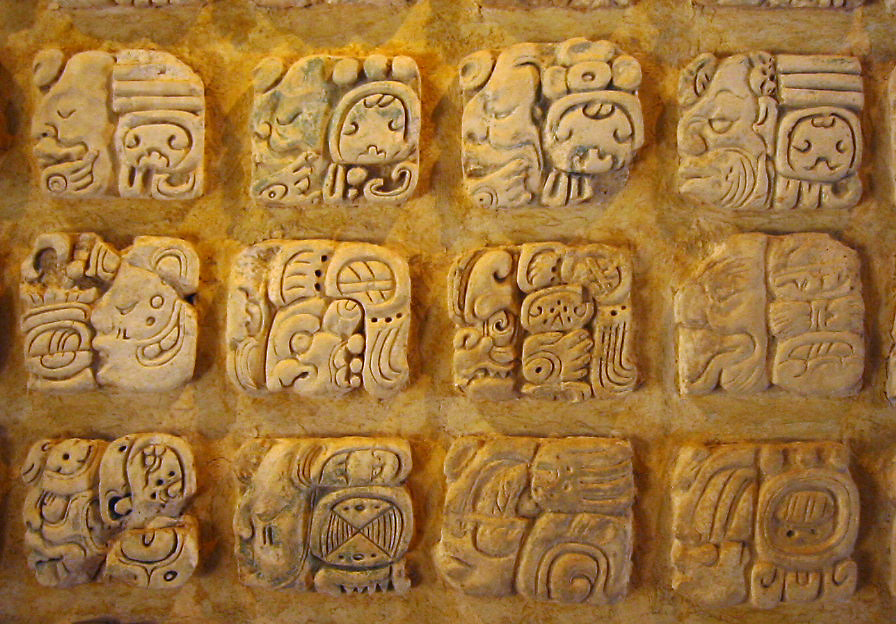
Maya script is an ancient writing system used by the Maya civilization, composed of glyphs that represent sounds and concepts.

Set reading age
View for Kids
Easy to read and understand
View for Students
Clear, detailed explanations
View for Scholars
Deep dives and big ideas
Maya script is a special writing system used by the ancient Maya people who lived in present-day Mexico, Guatemala, Belize, and parts of Honduras! 🌎This script is made up of symbols called "glyphs," which represent sounds and ideas. The Maya used this writing system to record history, stories, and celebrate their religion. 🎉Some of these glyphs look like pictures, while others are more abstract. The Maya script is one of the most advanced writing systems in the Americas, helping us understand their fascinating culture!
Today, Maya script plays an important role in understanding ancient cultures! 🗝️ Scholars use it to translate historical texts, while artists draw inspiration from glyphs to create modern art. 🎨Museums display Maya artifacts with glyphs to share their history with visitors. Additionally, teaching young people about Maya script helps keep this ancient culture alive! ✨Some communities even teach the script in modern Maya languages, ensuring future generations can appreciate this unique writing system and its value in world history.
Deciphering Maya script was like solving a giant puzzle! 🧩In the 19th century, researchers like Ernst Förstermann and Sylvanus Morley began studying the glyphs. However, it wasn’t until the 20th century that significant breakthroughs were made! 🕵️♂️ Scholar David Stuart, for instance, unlocked many glyph meanings, including names of rulers and significant dates. By comparing glyphs to sounds in the modern Maya languages, researchers today are still learning more and expanding our understanding of this ancient script! 📖
There are three main types of Maya glyphs: hieroglyphs, numeric glyphs, and pictograms. 📊Hieroglyphs are pictures representing sounds or words, while numeric glyphs are symbols that represent numbers. For example, the glyph for "3" can look like three dots! 🔢Pictograms are simple illustrations, like a drawing of a turtle to symbolize "slowness." The combination of these glyph types allows the Maya to create rich stories and record complex ideas!
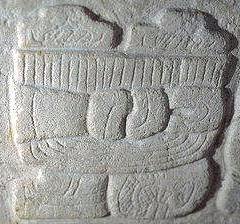
Maya script is deeply interconnected with Maya culture! 🌿The Maya people used writing to record their history, religious rituals, and stories about their gods. Important texts, like the Popol Vuh, describe the creation of the world. 🌍Glyphs were often carved into stone monuments or painted on pottery, preserving their history for future generations. By studying Maya script, we learn about their beliefs, daily life, and how they interacted with each other and the world around them.
If you’re curious about Maya script, there are many fun resources to explore! 📖Check out books like "The Maya" by Elizabeth Baquedano or "Maya Glyphs" by David Stuart. You can also visit museums with Maya artifacts, like the Museo de América in Spain! 🏛️ Online platforms like National Geographic Kids offer interactive games and videos about Maya culture and writing! 🌟Learning about Maya script can be an exciting adventure filled with discovery, history, and creativity!
The history of Maya script goes back more than 3,000 years! 📜The earliest signs were found in the Maya city of San Bartolo, dating to around 100 BC. The Maya civilization thrived until about 900 AD. 🌞During this time, they built grand temples and palaces and wrote messages about their kings and gods. Famous leaders like Pakal the Great from Palenque used glyphs to celebrate their accomplishments. 🏰When the Spanish arrived in the 1500s, many Maya books were destroyed, making it harder to learn about this amazing writing system!
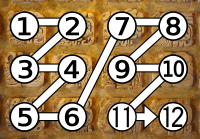
Maya script has two main components: logograms and syllabograms. 🅰️ Logograms are symbols that represent whole words or ideas, like a picture of a mountain standing for "mountain.” Syllabograms, on the other hand, represent sounds, similar to letters in the alphabet! 🎵There are about 800 different glyphs in total, and they can be combined to form new meanings. This unique structure means that one glyph can tell a whole story! The way glyphs are arranged is also important, as they can be read in columns or rows.
Preserving Maya script is a big job! 🌱Many ancient books and monuments were destroyed or damaged over the centuries. But thanks to archaeologists and researchers, much of the script is being studied and documented. 📅Challenges remain, like the fact that some glyphs are still not fully understood! People in the modern Maya communities are helping to preserve their language and culture, ensuring that the riches of their writing system do not disappear. Together, they work to keep the legacy of the ancient Maya alive for the world to enjoy!
Maya script is unique, but it can be compared to other writing systems like Egyptian hieroglyphs or Chinese characters! 🏺Just like Maya glyphs, these other scripts use symbols representing sounds or ideas. However, Maya script is special because it combines logograms and syllabograms in a unique way. 📚For example, hieroglyphs often tell a single idea, while Maya script can represent many sounds in a single word! This complexity makes it a fascinating topic for readers interested in ancient civilizations and their language!


DIY is a creative community where kids draw, build, explore ideas, and share.
No credit card required