Maritsa Facts For Kids
The Maritsa River, also known as Evros in Greece and Meriç in Turkey, flows through the Balkans in Southeast Europe and serves as a natural border between Greece and Turkey.
Select reading age

Maritsa Facts For Kids
Videos & Quizzesincluded
About this topic
The Maritsa River, also called the Meriç or Evros, is one of the longest rivers in Southeast Europe 🌊. It spans about 480 kilometers (around 298 miles) and flows through countries like Bulgaria, Greece, and Turkey 🇧🇬🇬🇷🇹🇷. The river starts in the beautiful Rila Mountains in Bulgaria and travels to the Aegean Sea. The Maritsa is important for drinking water and agriculture in the regions it flows through. It is home to various plants and animals and has a rich history associated with ancient civilizations. It plays a vital role in the local environment!
Explore with ChatDinoKey Points
The Maritsa River begins in Bulgaria, where it flows down from the Rila Mountain Range 🏔️.
The Maritsa River provides essential water for both people and wildlife 🌊.
The Maritsa River is home to many plants and animals 🌿🐟!
The Maritsa River has a rich history that dates back thousands of years ⏳.
The Maritsa River plays a crucial role in the economy of the regions it flows through 💵.
Unfortunately, the Maritsa River faces several environmental challenges 🌍.
The Maritsa River has significant cultural importance for the communities living along its banks 🌍.
The Maritsa River is rich in stories and myths 🌟 that have been passed down through generations.
The Maritsa River is a great place for fun activities and adventures!
The Maritsa River has many tributaries, which are smaller rivers that flow into it 🌊.
Photos of Maritsa

Map of the river

The middle course of the Maritsa River at Nova Nadezhda, Bulgaria

The Meriç River at Edirne

March-2005 Maritsa river floods, Greek side, close to Lavara village.

Satellite image of floods along the river in 2006.
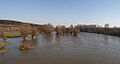
Marica River at Harmanli Bulgaria

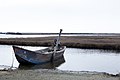
View from the Maritsa River (Edirne)

🏔️ Geography
The Maritsa River begins in Bulgaria, where it flows down from the Rila Mountain Range 🏔️. After traveling through the stunning landscapes of Bulgaria, it crosses into Greece, where it becomes a natural border between Greece and Turkey. The Maritsa has beautiful valleys, hills, and plains around it, making it a picturesque area 🌳. It passes cities like Plovdiv in Bulgaria and Komotini in Greece, creating many opportunities for people living nearby. With its sunny climate and rich soil, the surrounding lands are perfect for farming and growing crops!
Go deeper🌊 Hydrology
The Maritsa River provides essential water for both people and wildlife 🌊. It collects water from different sources, including rainfall and melting snow from nearby mountains. The river's water is used for irrigation, which helps farmers grow crops like cotton and rice 🌾. The Maritsa also supports local fish species like catfish and barbels. Interestingly, it divides into smaller streams and tributaries before reaching the Aegean Sea. This helps spread the water to more areas! Keeping the river clean is important because it helps everyone who depends on it.
Go deeper🌿 Biodiversity
The Maritsa River is home to many plants and animals 🌿🐟! In its waters, you can find various fish, such as carp and catfish. The riverbanks are filled with lush greenery, including trees like willows and poplars. Many birds, such as herons and ducks, make their homes near the river, creating a vibrant ecosystem. Some animals, like otters, love to swim and play in the water. The Maritsa is essential for biodiversity, ensuring that different species have the right habitats to live and thrive. Protecting this environment helps keep it rich and full of life!
Go deeper⏳ Historical Context
The Maritsa River has a rich history that dates back thousands of years ⏳. It has seen many important events, such as battles and trade routes, especially in the Ottoman Empire. The river was a lifeline for ancient tribes and civilizations that settled in the region, supplying them with water and resources. The famous Battle of Maritsa in 1371 involved Serbian and Ottoman forces, significantly shaping Balkan history. Remnants of ancient fortresses and settlements can still be found near the river, reminding us of those who came before and called this place home.
Go deeper💵 Economic Importance
The Maritsa River plays a crucial role in the economy of the regions it flows through 💵. Farmers rely on the river's water to irrigate their fields, growing important crops such as fruits, vegetables, and grains 🌾. Fishing is another important industry, supplying local communities with food and jobs. The river also plays a role in trade, with boats transporting goods along its waters. Additionally, tourism related to the beautiful scenery and outdoor activities boosts the local economy. By supporting jobs and businesses, the Maritsa is vital for making nearby communities thrive!
Go deeper🌍 Environmental Issues
Unfortunately, the Maritsa River faces several environmental challenges 🌍. Pollution from factories, farms, and cities threatens the water quality and habitats of plants and animals. Overfishing can reduce fish populations, while construction along the banks can damage the natural landscape. Ensuring that people don’t litter and practice sustainable farming is essential to protect the river. Many groups are working hard to clean and preserve the Maritsa for future generations. By educating others about these issues, we can all help maintain the river's beauty and importance to the environment!
Go deeper🌍 Cultural Significance
The Maritsa River has significant cultural importance for the communities living along its banks 🌍. People in Bulgaria, Greece, and Turkey have stories, songs, and traditions connected to the river. Many great civilizations, like the Thracians and the ancient Greeks, settled near the Maritsa and relied on it for their livelihoods. Festivals celebrating the river's beauty often take place, where locals share food, music, and dance. The Maritsa has also inspired many artists and writers, as its lush surroundings create magical scenes that capture their imagination. It really brings communities together!
Go deeper🌟 Mythology And Folklore
The Maritsa River is rich in stories and myths 🌟 that have been passed down through generations. In some legends, the river is believed to be a protector of the land, bringing good fortune to those living nearby. Villagers often tell tales of brave heroes who crossed the river during battles or magical creatures that inhabit its waters. In Greek mythology, rivers were often seen as gods, with the Maritsa symbolizing life and nature. These stories help keep the cultural spirit alive, reminding people of the rich traditions and beliefs connected to the river.
Go deeper🎣 Recreation And Tourism
The Maritsa River is a great place for fun activities and adventures! 🎣🚣♂️ People can go fishing, swimming, and even kayaking on its waters. Many tourists visit the river to enjoy hiking, biking, and picnicking by its banks. The beautiful landscapes and wildlife make it an exciting spot for nature lovers and photographers 📸. Birdwatching is also popular, as people come to see the many different birds that call the Maritsa home. With its stunning views and recreational opportunities, the Maritsa attracts visitors from all over the world!
Go deeper🌊 Tributaries And Watershed
The Maritsa River has many tributaries, which are smaller rivers that flow into it 🌊. Some important tributaries include the Tundja, Arda, and various smaller streams. These tributaries help collect water from different areas and carry it into the Maritsa, creating a watershed. The watershed is like the river’s “drainage area,” where all the water collects before flowing into it. This is important for the health of the river and the surrounding environment. Every tributary contributes to the Maritsa's strength and ability to provide water to people and wildlife.
Go deeper