Malé Facts For Kids
Malé, the bustling capital of the Maldives, is known for its vibrant culture, stunning beaches, and its position as a gateway to the picturesque islands of the archipelago.
Select reading age

Malé Facts For Kids
Videos & Quizzesincluded
About this topic
Malé is the capital city of the Maldives, an island nation located in the Indian Ocean. 🌊The city is on Malé Atoll and is famous for its beautiful blue waters, white-sand beaches, and vibrant coral reefs. 🏝️ With a population of around 200,000 people, it is one of the most densely populated cities in the world! Malé is not only a hub for government and business but also a center for culture and tourism in the Maldives. Visitors can explore stunning mosques, markets, and parks while enjoying the tropical weather! ☀️
Explore with ChatDinoKey Points
Malé is full of delicious food!
Malé plays a vital role in the economy of the Maldives.
Living in Malé offers some awesome health benefits!
Malé isn’t just one thing – it’s made up of different areas with unique features!
Malé has a rich history that dates back more than 2,000 years!
Did you know that Malé is often called the “King of the Maldives?”
The culture of Malé is deeply rooted in Islam, the main religion of the Maldives, with beautiful mosques like the Grand Friday Mosque 🕌 being key landmarks.
The beautiful natural surroundings of Malé come with responsibilities!
Photos of Malé


Malé — photo 4

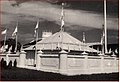
This is one of the main "Maizaan's" or squares in Malé city where the National flag bastion stands. The Republic Square or Jumhooree Maidhan is one of the main landmarks of the city - in front of the Bandaara Koshi or Defence force headquarters

Malé in 2022, with a bridge to the airport and Hulhumalé
Malé — photo 7
Malé — photo 8

🍽️ Culinary Uses
Malé is full of delicious food! 🍽️ The Maldives is known for dishes made from fresh fish, coconuts, and rice. One popular dish is "Mas Huni," a tasty tuna salad served with flatbread for breakfast. 🥗Visitors love trying spicy curries and seafood snacks like "Huni Hara," made from fish and potatoes. Street vendors add excitement with sweet treats like "Fihunu Mas," grilled fish on skewers. 🍢The local food reflects the island’s natural resources, making every meal a tropical delight!
Go deeper💵 Economic Impact
Malé plays a vital role in the economy of the Maldives. 💵Tourism is the main source of income, drawing thousands of visitors each year to its stunning beaches and resorts. Malé itself has hotels, restaurants, and shops that cater to tourists. The fishing industry is also important, as fresh fish are caught and exported from Malé to different countries. 🐟Additionally, many locals run small businesses which help support the economy and provide jobs. A bustling economy makes Malé an exciting place to live and visit!
Go deeper🌞 Health Benefits
Living in Malé offers some awesome health benefits! 🌞The warm climate encourages outdoor activities like swimming, surfing, and walking along its beautiful beaches. The seafood in local diets, like fish and lobster, is packed with healthy omega-3 fatty acids. 🐠Eating fresh fruits and vegetables helps keep the local population healthy and active, too! Additionally, the community often gathers for social activities, which helps strengthen friendships and emotional well-being. ❤️ Staying active and enjoying healthy foods is key to living well in Malé!
Go deeper🗺️ Types And Variants
Malé isn’t just one thing – it’s made up of different areas with unique features! 🗺️ You can find the bustling marketplace called "Maafannu," perfect for shopping and tasting local foods. There’s also the quieter area called "Hen'dhune," famous for its beautiful gardens and parks. 🌳Each area shows the different ways that people live, work, and have fun in the city. When visiting Malé, you’ll discover neighborhoods that combine colorful houses, tiny shops, and friendly locals! 🏘️
Go deeper🕰️ History And Origins
Malé has a rich history that dates back more than 2,000 years! 🕰️ The early inhabitants were believed to be sailors and traders who settled there. The city was first officially mentioned in historical texts by Ibn Battuta, a famous traveler from Morocco, in the 14th century. 🌍Malé started growing rapidly in the 20th century, especially after the Maldives gained independence from Britain in 1965. Today, it is a modern city that blends its ancient history with contemporary buildings and infrastructure. 🏢
Go deeper👑 Fun Facts And Trivia
Did you know that Malé is often called the “King of the Maldives?” 👑 It's also one of the smallest capital cities in the world, covering only about 9 square kilometers! When visiting, you can find the oldest mosque, the "Hukuru Miskiy," built in 1656 from coral stone. 🐚Festivals in Malé include the "Boduberu" night, where drumming and dancing keep everyone entertained! 🎶Plus, there's a special tradition called "Dhiggaru," which is a kind of cultural storytelling through music. Malé is full of surprises waiting for you to discover! 🎊
Go deeper🕌 Cultural Significance
The culture of Malé is deeply rooted in Islam, the main religion of the Maldives, with beautiful mosques like the Grand Friday Mosque 🕌 being key landmarks. The people celebrate many colorful festivals, such as Ramadan and Eid, which include feasting and community gatherings. 🎉Malé is also known for its unique music and dance styles, such as "Boduberu," where drummers sing and dance together. The locals take pride in their traditional crafts, including intricate lacquer work and woven mats that tell stories about their ancestors. 🎨
Go deeper🌱 Environmental Considerations
The beautiful natural surroundings of Malé come with responsibilities! 🌱The city faces challenges from climate change, such as rising sea levels that threaten low-lying islands. To protect their environment, locals are working to reduce plastic waste and preserve marine life. Many people engage in programs to plant trees and clean beaches. 🌊The Maldives has also created marine protected areas to save coral reefs, which are important for fish and tourism. Caring for nature is essential for the future of Malé and its stunning surroundings! 🌏
Go deeper