Malay Archipelago Facts For Kids
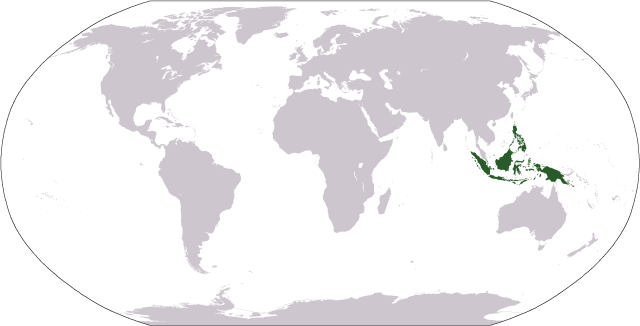
The Malay Archipelago is a group of over 25,000 islands located between Mainland Southeast Asia and Australia, known for its rich biodiversity, cultural diversity, and significant historical trade routes.
Select reading age
Malay Archipelago Facts For Kids
Videos & Quizzesincluded
About this topic
The Malay Archipelago, also known as Insulindia or the Indo-Australian Archipelago, is a group of islands located between Mainland Southeast Asia and Australia! 🌏This amazing region includes over 25,000 islands, making it one of the largest archipelagos in the world. Some famous islands are Indonesia, the Philippines, and Malaysia 🏝️. The area is rich in culture, languages, and wildlife. You can find beautiful beaches, towering volcanoes, and awesome coral reefs, too! This archipelago is home to many unique plants and animals and has a diverse mix of people and traditions. Let’s explore more!
Explore with ChatDinoKey Points
The economic activities in the Malay Archipelago are diverse!
The Malay Archipelago is situated in Southeast Asia, surrounded by the Pacific and Indian Oceans 🌊.
The Malay Archipelago offers breathtaking attractions for travelers!
The history of the Malay Archipelago is fascinating!
The Malay Archipelago is a hub of biodiversity, which means it has countless unique plants and animals!
The Malay Archipelago is a treasure trove of languages!
The Malay Archipelago consists of countries with unique political systems.
The Malay Archipelago is home to many cultures and ethnic groups, making it a vibrant place to learn about!
The rich biodiversity in the Malay Archipelago also faces challenges.
Photos of Malay Archipelago

Pinisi sailing ship exploring Komodo island, part of Lesser Sunda Islands

One of the majority of uninhabited islands of the Philippines.

Wallace Line between Australian and Southeast Asian fauna. The deep water of the Lombok Strait between the islands of Bali and Lombok formed a water barrier even when lower sea levels linked the now-separated islands and landmasses on either side.
🏭 Economy And Trade
The economic activities in the Malay Archipelago are diverse! 🏭Indonesia is the world's largest producer of palm oil, which is used in many products 🎂. Fishing plays a significant role too. The region is famous for its beautiful spices like nutmeg and cloves, brought by trading routes for centuries! The Philippines is known for its electronics and agricultural goods like bananas 🍌. Tourists bring money into the economy, so countries focus on developing tourism alongside farming and fishing. The region’s position along main shipping routes helps keep trade flourishing, making it an essential economic hub!
Go deeper🌊 Geography And Location
The Malay Archipelago is situated in Southeast Asia, surrounded by the Pacific and Indian Oceans 🌊. It stretches from the coast of Myanmar (Burma) in the west, all the way to Papua New Guinea in the east! The area consists of more than 17,000 islands in Indonesia alone!🇮🇩 The largest islands include Borneo, Sumatra, and Sulawesi. The archipelago lies near the equator, giving it a warm, tropical climate 🌞. Because of its unique location, the islands are perfectly positioned to enjoy both beautiful mountains and sandy beaches. Can you imagine exploring all those amazing islands?
Go deeper🌺 Tourism And Attractions
The Malay Archipelago offers breathtaking attractions for travelers! 🌺One must-see spot is Bali, known for its stunning beaches, unique culture, and rice terraces 🏖️. Boracay in the Philippines is famous for its powdery white sand and vibrant nightlife! Adventure lovers can visit Mount Bromo in Indonesia, an active volcano with mesmerizing views. 🌄Other attractions include Komodo Island to see the unique Komodo dragons and Taal Volcano in the Philippines, an active volcano on a lake! Tourists explore these beautiful sites while experiencing local traditions, delicious foods, and friendly cultures from the islands.
Go deeper🚢 History And Colonization
The history of the Malay Archipelago is fascinating! Long ago, the area was home to ancient kingdoms, like Srivijaya and Majapahit, which traded with regions as far away as China and India. 🚢In the 1500s, European explorers arrived, looking for spices and treasures 🌶️. Countries like Portugal, Spain, and the Netherlands colonized many islands, leading to a mix of cultures and languages. Indonesia gained its independence from the Dutch in 1949, while the Philippines became free from the U.S. in 1946. History has shaped this region into a beautiful blend of influences, creating rich traditions that continue to thrive today!
Go deeper🐒 Biodiversity And Ecosystems
The Malay Archipelago is a hub of biodiversity, which means it has countless unique plants and animals! 🐒For example, Indonesia is home to the orangutan, which is found only on Sumatra and Borneo. The coral reefs around the islands are full of colorful fish 🐠 and other sea creatures, boasting one of the richest marine ecosystems in the world! The rainforests are lush and provide habitats for many species, including the famous Komodo dragon, found on Komodo Island. 🌿This biodiversity is important for the planet, as it supports ecosystems and helps keep our environment balanced!
Go deeper🗣️ Indigenous Languages And Dialects
The Malay Archipelago is a treasure trove of languages! 🗣️ Over 700 languages are spoken across the region! In Indonesia, Bahasa Indonesia is widely used for communication, while in the Philippines, Filipino (based on Tagalog) is the official language. Other languages include Javanese, Sundanese, and Cebuano. Language reflects culture, and many of these languages have unique sounds and words! 🎵Local dialects vary greatly even on small islands, making the region linguistically rich! Kids can learn many words and phrases just by exploring this linguistic diversity! It’s amazing how language connects people to their heritage and helps share stories!
Go deeper🏛️ Political Structure And Governance
The Malay Archipelago consists of countries with unique political systems. 🏛️ Indonesia is a democratic republic with a president elected every five years. The Philippines also has a democratic government, led by a president. Malaysia has a constitutional monarchy, meaning it has a king who follows the constitution while a prime minister manages the country's day-to-day affairs. 📝Many island nations work together in regional organizations to discuss challenges like trade and the environment. Understanding how these countries are governed helps us appreciate their unique histories and encourages cooperation in solving common problems they share!
Go deeper🥳 Cultural Diversity And Ethnic Groups
The Malay Archipelago is home to many cultures and ethnic groups, making it a vibrant place to learn about! 🥳Indonesia has over 300 ethnic groups! The largest groups include the Javanese, Sundanese, and Balinese 🌈. In the Philippines, major ethnic groups include Tagalog, Cebuano, and Ilocano. People speak many different languages, some having unique traditions, food, and clothing. The region celebrates various festivals, including Bali’s Nyepi Day and Indonesia’s Wayang Kulit shadow puppet shows. 🎊Through this diversity, kids can learn about different customs, dances, and delicious dishes from each community!
Go deeper🌍 Environmental Issues And Conservation
The rich biodiversity in the Malay Archipelago also faces challenges. 🌍Deforestation for agriculture and urban development threatens the unique ecosystems. Pollution from plastic waste and overfishing endangers marine life in the ocean. 🐬Conservation efforts are crucial; countries are working to protect their natural resources and animals. Marine protected areas, reforestation projects, and eco-tourism are some ways to help. 🌱Many organizations educate communities on conservation, raising awareness about how precious these environments are for the future. Everyone can play a part in protecting the magical biodiversity of the Malay Archipelago!
Go deeper