All Articles

Mahāyāna

Mahāyāna Facts For Kids

Mahāyāna is a diverse branch of Buddhism that focuses on helping all beings achieve enlightenment through compassion and understanding.
🎨 Reading age for 6-8
Background blob
Mahāyāna
Mahāyāna
Facts for Kids!

Do more with AI

Introduction

Mahāyāna Buddhism is a special branch of Buddhism that began around 2,000 years ago in ancient India. It means "the Great Vehicle" and teaches people how to help others reach enlightenment, which is a state of perfect happiness! 🌼Mahāyāna is practiced in many parts of the world like China, Japan, Korea, and Vietnam. The followers believe that everyone can become a Buddha, which means someone who is wise and free from suffering. 🧘‍♂️ They focus on compassion and kindness, making it a popular choice for many who want to make the world a better place!

Images of Mahāyāna

The Five Tathāgatas in Shishoin Temple (Tokyo). A unique feature of Mahāyāna is the belief that there are multiple Buddhas which are currently teaching the Dharma.Image by Homare21, licensed under Creative Commons Attribution-Share Alike 4.0

The Five Tathāgatas in Shishoin Temple (Tokyo). A unique feature of Mahāyāna is the belief that there are multiple Buddhas which are currently teaching the Dharma.

Mahāyāna Buddhist triad, including Bodhisattva Maitreya, the Buddha, and Bodhisattva Avalokiteśvara. 2nd–3rd century CE, GandhāraImage by No machine-readable author provided. World Imaging assumed (based on copyright claims)., licensed under Creative Commons Attribution-Share Alike 3.0

Mahāyāna Buddhist triad, including Bodhisattva Maitreya, the Buddha, and Bodhisattva Avalokiteśvara. 2nd–3rd century CE, Gandhāra

Seated Avalokiteshvara bodhisattva. Gandharan, from Loriyan Tangai. Kushan period, 1st – 3rd century CE. Indian Museum, CalcuttaImage by G41rn8, licensed under Creative Commons Attribution-Share Alike 4.0

Seated Avalokiteshvara bodhisattva. Gandharan, from Loriyan Tangai. Kushan period, 1st – 3rd century CE. Indian Museum, Calcutta

Cave complex associated with the Mahāsāṃghika sect. Karla Caves, Mahārāṣtra, IndiaImage by Bornav27may, licensed under Creative Commons Attribution-Share Alike 3.0

Cave complex associated with the Mahāsāṃghika sect. Karla Caves, Mahārāṣtra, India

Photos of MahāyānaImage by Biswarup Ganguly, licensed under Creative Commons Attribution 3.0
Painting from the Mogao Caves (Cave 217), Dunhuang, illustrating Sukhavati, the buddhafield of Amitabha Buddha

Painting from the Mogao Caves (Cave 217), Dunhuang, illustrating Sukhavati, the buddhafield of Amitabha Buddha

Photograph of three bodhisattva statues found at Jamal Garhi (Khyber Pakhtunkhwa, Pakistan).

Photograph of three bodhisattva statues found at Jamal Garhi (Khyber Pakhtunkhwa, Pakistan).

Ruins of the Nalanda Mahavihara (Great Monastery) in Bihar, a major center for the study of Mahāyāna Buddhism from the fifth century CE to c. 1200 CEImage by Slbhushan, licensed under Creative Commons Attribution-Share Alike 4.0

Ruins of the Nalanda Mahavihara (Great Monastery) in Bihar, a major center for the study of Mahāyāna Buddhism from the fifth century CE to c. 1200 CE

Practices And Rituals

Mahāyāna Buddhists practice many rituals to connect with their beliefs. One common practice is meditation, where people sit quietly to relax their minds and develop mindfulness. 🧘‍♀️ They also engage in chanting, often reciting sutras to focus their thoughts and intentions. Offering food, flowers, or incense at shrines is another way to show respect to the Buddha and Bodhisattvas. 🎉Special ceremonies, like ordination and festivals, celebrate important events in the Buddhist calendar! These rituals help followers deepen their understanding of compassion and bring the community closer together. 😊

Cultural Impact And Art

Mahāyāna Buddhism has greatly influenced art and culture throughout history! 🎨In countries like Japan, China, and Tibet, beautiful statues of the Buddha and Bodhisattvas can be found in temples and homes. These artworks often depict compassion and wisdom. Tibetan thangka paintings tell stories of Buddhist teachings, while Chinese landscapes often include symbols from Mahāyāna philosophy. 🏯Dance, music, and festivals celebrate the teachings of Mahāyāna and connect people with each other. This rich cultural impact enhances understanding and appreciation of this ancient tradition, making it an integral part of many societies around the globe!

Key Texts And Scriptures

In Mahāyāna Buddhism, many important texts are used for teachings and guidance. Some of the most famous ones include the "Lotus Sutra," which talks about the power of love and equality, and the "Heart Sutra," which is very short but teaches about emptiness. 📖Another important text is the "Avatamsaka Sutra," filled with beautiful stories and ideas about the universe. Monks and nuns study these texts, share their meanings, and use them to inspire their practices. 🕯️ These scriptures are essential for understanding the beliefs and teachings of Mahāyāna Buddhists!

Core Teachings And Beliefs

One of the key beliefs in Mahāyāna Buddhism is the idea of "Bodhisattva," a person who seeks enlightenment not just for themselves but for all beings! 🤝This means helping others is super important. Mahāyāna teaches about compassion, kindness, and wisdom. A cool teaching is "emptiness," which means that everything changes, and nothing is permanent. 🌊Followers of Mahāyāna also believe that everyone, even ordinary people, can achieve enlightenment through good deeds and understanding. This encourages everyone to join in the journey of helping themselves and others!

History Of Mahāyāna Buddhism

Mahāyāna Buddhism started developing around the 1st century CE, during a time when the original teachings of Buddha were spreading. This new tradition arose after the Buddha's death in India around 480 BCE. 📜Mahāyāna began as a way for Buddhist monks and laypeople to come together and share their ideas. Influential texts were written, and different Buddhist schools started forming. Over centuries, Mahāyāna evolved and crossed into other regions. By the 7th century, it spread to places like China and became a significant part of Asian cultures. Today, it has millions of followers! 🌍

Influential Figures In Mahāyāna

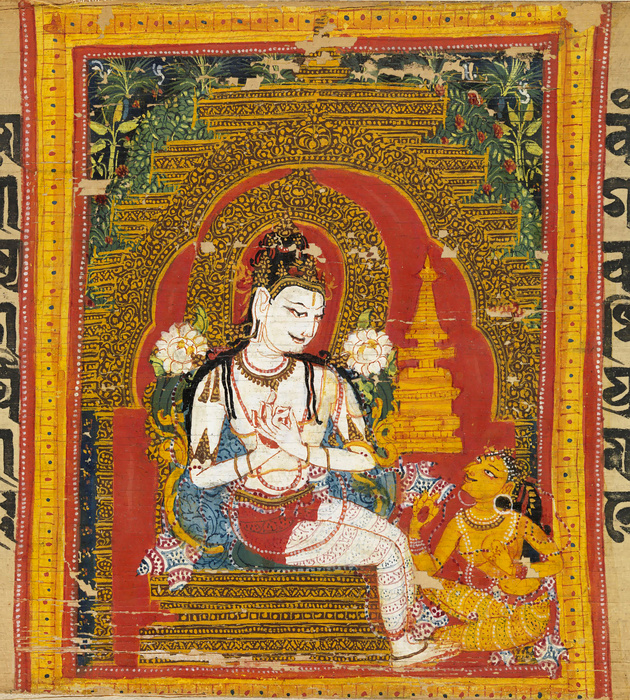
Many special people have helped shape Mahāyāna Buddhism over the years! One famous figure is Nichiren, who lived in Japan in the 1200s. He emphasized chanting the "Lotus Sutra" for personal happiness and to help others. 🙏Another key figure is Avalokiteshvara, the Bodhisattva of compassion, often represented with many arms to help many beings! 💖In China, there was the monk Xuanzang, who traveled to India in the 600s to collect Buddhist texts and share them with his people. All these figures have made Mahāyāna Buddhism a rich tradition full of wisdom!

Comparison With Theravada Buddhism

Although both Mahāyāna and Theravada Buddhism share the teachings of the Buddha, they have different beliefs and practices. Theravada, which means "Teaching of the Elders," is the oldest form of Buddhism, focusing mainly on individual enlightenment. 🌱In contrast, Mahāyāna emphasizes helping others reach enlightenment through compassion and action! Many Mahāyāna followers believe anyone can become a Buddha, while Theravada focuses more on monks and nuns. Both traditions have unique qualities that teach people how to lead a good life and promote peace in the world! ✌️

Mahāyāna In Contemporary Society

Today, Mahāyāna Buddhism plays an essential role in many societies around the globe! 🗺️ It teaches important values like empathy and mindfulness, helping people cope with challenges in modern life. People from many backgrounds are drawn to its message of compassion and love. 🌷Mahāyāna temples and centers can be found in diverse cities, where everyone is welcome to learn or practice! Festivals and ceremonies bring communities together, sharing joy and harmony. Mahāyāna also encourages social action, helping to improve people’s lives through kindness and support, making it relevant for today's world! 🌍

Schools And Branches Of Mahāyāna

Mahāyāna Buddhism includes several schools and branches, each with unique practices and beliefs! One well-known branch is Zen, which focuses on meditation and living in the moment. 🧘‍♂️ Another is Pure Land Buddhism, where followers chant to be reborn in a paradise called the "Pure Land." Then there’s Tibetan Buddhism, known for colorful rituals and the practice of using prayer flags and wheels. 🙏Each of these schools teaches valuable lessons about love, kindness, and how to overcome suffering, while still being connected to the main Mahāyāna teachings!

Global Spread Of Mahāyāna Buddhism

Mahāyāna Buddhism has spread across the world and continues to grow! 🌍It is most popular in East Asia, particularly in China, Japan, Korea, and Vietnam. Many Western countries are now embracing its teachings, with centers and communities forming to share the message of compassion and kindness. 🌺People from all walks of life are interested in meditation, mindfulness practices, and the philosophy of helping others. This global spread shows how humans can connect to ancient wisdom and adapt it to modern life, promoting peace and understanding among different cultures! ✈️

Mahāyāna Quiz

Q1
Question 1 of 10

Learn more about Mahāyāna

Ready to create?

Drop Files here
Make

To create a safe space for kid creators worldwide!

Create

Vibe Coding

ChatDino

All Tools

Kibu

Resources

Worksheets

SafeTube

Blog

FAQ

Account

Pricing

Log-in

Sign-up

Data Deletion

Company

About

Community Guidelines

Privacy Policy

Terms of Service

2025, URSOR LIMITED. All rights reserved. DIY is in no way affiliated with Minecraft™, Mojang, Microsoft, Roblox™ or YouTube. LEGO® is a trademark of the LEGO® Group which does not sponsor, endorse or authorize this website or event. Made with love in San Francisco.