Maginot Line Facts For Kids
The Maginot Line is a famous series of fortifications built by France in the 1930s to defend against invasions from Germany during World War II.
Select reading age

Maginot Line Facts For Kids
Videos & Quizzesincluded
About this topic
The Maginot Line is a series of strong buildings in France, made to keep the country safe from enemies. 🏰It was named after André Maginot, who was a French Minister of War. This amazing line was built in the 1930s, between 1929 and 1938, and stretched about 450 kilometers (280 miles)! 🗺️ It has tunnels, bunkers, and lots of forts. Imagine a giant wall made of concrete instead of bricks! The main goal was to stop the German soldiers from invading France, making them take a long and difficult route instead. 🚧
Explore with ChatDinoKey Points
The Maginot Line was designed to be a protective shield for France.
Before the Maginot Line was built, France had faced challenges, especially during World War I (1914-1918).
Building the Maginot Line was like creating a giant, strong puzzle!
When World War II started in 1939, the Maginot Line was put to the test.
While the Maginot Line had many strong features, it also faced criticism.
After World War II, the Maginot Line became less important in military strategy.
The Maginot Line has many key features that make it special.
To make the Maginot Line work, France used clever military strategies.
Today, you can visit parts of the Maginot Line!
Photos of Maginot Line

CarteLigneMaginot

Side view diagram of the operation of a retractable turret: 75 mm gun of block 3 in Ouvrage Schoenenbourg

Casemate of Dambach Nord, Fortified Sector of the Vosges, Subsector of Philippsbourg

Blockhaus MOM (Main d'Oeuvre Militaire) de Richtolsheim – Secteur Fortifié de Colmar – Sous secteur de Hilsenheim

Anti-tank rails around casemate 9 of the Hochwald ditch

Maginot Line — photo 6
Maginot Line — photo 7

Maginot Line — photo 8

🛡️ Tactical Purpose
The Maginot Line was designed to be a protective shield for France. 🛡️ Its main purpose was to make it hard for the German army to invade. Instead of attacking the concrete forts, the Germans would have to find ways to go around them! This would buy France time to prepare for any conflicts. The forts had thick walls, powerful guns, and even secret tunnels. 🚇They also made it possible for soldiers to move quickly and safely throughout the area. The plan was to keep France safe and strong by using smart military tactics! 🚀
Go deeper🎖️ Historical Background
Before the Maginot Line was built, France had faced challenges, especially during World War I (1914-1918). 🎖️ After that, the French wanted to protect themselves from future wars. They realized that having strong defenses was super important! In the 1920s, André Maginot suggested creating this defense system. The idea was to make strong forts along the border with Germany, which was a country that could be a threat. The Maginot Line was mostly finished by 1938, just before World War II started in 1939. 🌍
Go deeper🧩 Construction And Design
Building the Maginot Line was like creating a giant, strong puzzle! 🧩Engineers and workers used lots of concrete, steel, and special materials to make it very tough. The Line includes underground bunkers, artillery casemates, and lookout towers. Some parts are even 30 meters (about 100 feet) underground! ⛏️ The design was smart: it included living spaces, kitchens, and places to store weapons and ammunition. Workers faced challenges like rough weather and tough terrain, but they were very dedicated, and it took nearly 10 years to finish this amazing defense system! 🏗️
Go deeper🌍 The Maginot Line In Wwii
When World War II started in 1939, the Maginot Line was put to the test. 🌍France thought the line would keep them safe from German attacks. However, in 1940, the Germans surprised everyone by invading through Belgium instead! 🇩🇪 They completely bypassed the strong Maginot Line, which was not what France expected. The German army even captured some forts but didn’t take them all. This led to confusion about the Line's effectiveness, and many people began to question its usefulness during the war. At that moment, the Maginot Line's story took a twist! ⚡
Go deeper🤔 Criticism And Limitations
While the Maginot Line had many strong features, it also faced criticism. 🤔Some people thought it was too expensive to build and maintain. It cost around 3 billion francs! 💰Others believed that it was not very flexible since it was fixed in one place and could not defend against attacks from different directions. Additionally, after the German invasion in 1940, many realized it couldn’t stop an army from going around the Line! 🚧These limitations raised questions about whether the Maginot Line was the best way to protect France, especially when wars became more mobile and fast-paced. 🏃♂️
Go deeper📉 Post-war Impact And Legacy
After World War II, the Maginot Line became less important in military strategy. 📉However, it left a big mark in history! It showed the world how important strong defenses can be. The line is also a symbol of France, representing their attempt to stay safe during times of conflict. Today, some parts of the Maginot Line are still standing, and visitors can explore these historical sites! 🏰Many people learn about its story and understand that planning for safety is essential, but sometimes defenses must change to be effective in a different kind of war. 📚
Go deeper🏰 Key Features And Structures
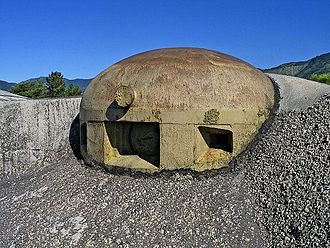
The Maginot Line has many key features that make it special. 🏰First, there are massive concrete bunkers where soldiers can stay and fight. There are also high lookout towers where soldiers can see far away. 🔭Inside, you can find huge guns, living areas, and kitchens! Some bunkers had electricity and even air conditioning, which was surprising for that time! 🌬️ The key structures include the Ouvrage Fermont and the Ouvrage Hackenberg, which were two of the biggest and most advanced forts in the Line. These special places show just how amazing the Maginot Line is! 💪
Go deeper🎖️ Military Strategies Involved
To make the Maginot Line work, France used clever military strategies. 🎖️ They trained soldiers to defend the forts and equipped them with powerful weapons. The idea was to have enough soldiers ready at all times. The line also relied on teamwork—if one fort was in danger, nearby soldiers could quickly move to help! 🚀The French military communication was also vital, allowing them to talk and share information fast. 🇫🇷 The Maginot Line was not just about building walls; it was about creating a strong defense with well-trained people ready to protect their home! ⚔️
Go deeper🏰 Visiting The Maginot Line Today
Today, you can visit parts of the Maginot Line! 🏰Many tourists come to see the fascinating forts and bunkers. Some sections are open for guided tours. You can explore underground tunnels, see old weapons, and learn about the soldiers who lived there. 🚶♂️ Many visitors say it's like stepping back in time! Museums near the line offer fun exhibits about World War II and how the Maginot Line worked. 🎉If you ever find yourself in France, consider taking a trip to this incredible piece of history! You might discover why it’s called “the strong wall of France!” 🌟
Go deeper