Lycia Facts For Kids
Lycia was a fascinating historical region in southwestern Anatolia, flourishing from the 15th century BC to 546 BC, known for its unique culture, governance, and stunning landscapes.
Select reading age

Lycia Facts For Kids
Videos & Quizzesincluded
About this topic
Lycia was a fascinating region in ancient Anatolia, which is now part of modern-day Turkey! 🌄It was home to the Lycians, a group of people who lived there from around the 15th century BC to 546 BC. They were known for their unique culture, beautiful cities, and special language, called Lycian. The Lycians loved to build rock-cut tombs and went sailing on their famous coastline. Lycia was famous for its democracy, where people could vote! 🗳️ Though it has disappeared over time, we can still learn about the adventures of the Lycians through archaeological finds and ancient stories.
Explore with ChatDinoKey Points
Lycia is home to an incredible variety of plants and animals!
Lycia was an important trading hub in ancient times!
Lycia is located in southwestern Turkey, along the beautiful Mediterranean Sea.
The Lycians were very spiritual, believing in many gods and goddesses!
Lycians had rich cultural traditions, including art, music, and festivals!
The Lycians were known for their impressive history!
The Lycians were famous for having one of the earliest forms of democracy!
Lycia is famous for its unique architecture!
Today, Lycia attracts many tourists who love exploring its ancient ruins and natural beauty!
Photos of Lycia
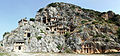

Lycia — photo 2

Location of Lycia. Anatolia/Asia Minor in the Greco-Roman period. The classical regions, including Lycia, and their main settlements


Partial reconstruction of the Nereid Monument at Xanthos in Lycia, c. 390–380 BC.

Inscribed Xanthian Obelisk (c. 400 BC), a funerary pillar for a sarcophagus that probably belonged to Dynast Kheriga.[3]

Lycia — photo 7

Lycia — photo 8

🦋 Flora And Fauna
Lycia is home to an incredible variety of plants and animals! 🦋The Mediterranean climate helps create rich forests, where you can find beautiful olive trees, pines, and wildflowers blossoming in spring. The region is also a habitat for numerous animals, such as deer, wild boars, and many types of birds! 🦅The sea provides food and shelter for fish and sea turtles. Conservation efforts are essential to protect these plants and animals, ensuring their homes remain safe. This unique biodiversity allows us to appreciate the beauty of nature and understand the importance of caring for our environment. 🌳
Go deeper🌍 Economy And Trade
Lycia was an important trading hub in ancient times! 🌍The coastal location provided easy access to the Mediterranean Sea, allowing merchants to trade goods such as timber, textiles, and olive oil. The fertile lands helped grow crops that were also vital for trade. Cities, like Xanthos and Patara, became centers of commerce where people bought and sold everyday necessities. The sea routes connected Lycia to Egypt, Greece, and beyond, enabling people to exchange not just goods but ideas. Trade played a vital role in making the Lycians prosperous and often led to cultural exchanges with other civilizations! ⚓
Go deeper🌊 Geography And Climate
Lycia is located in southwestern Turkey, along the beautiful Mediterranean Sea. 🌊The region has stunning mountains and lush valleys, with many rivers flowing into the sea. In Lycia, summers are hot and dry, while winters are mild and rainy. This pleasant climate made it a perfect place for growing fruits, vegetables, and grains. The famous “Lycian Way” is a long walking trail that takes you through ancient cities and stunning landscapes. 🥾Many different animals and plants can be found here due to the diverse geography, making it a great place for adventurers and nature-lovers!
Go deeper🌟 Mythology And Religion
The Lycians were very spiritual, believing in many gods and goddesses! 🌟Their main gods included Apollo, the god of the sun, and Leto, his mother, who were loved and respected. They built beautiful temples to honor their deities and celebrate with festivals. The Lycians had many legends about creation, heroes, and otherworldly beings. One famous legend tells of the Lycian hero Bellerophon, who was said to ride the winged horse Pegasus! 🐴Their beliefs also influenced other cultures, showcasing how stories and myths play an essential role in a civilization's identity.
Go deeper🎨 Cultural Heritage And Traditions
Lycians had rich cultural traditions, including art, music, and festivals! 🎨They were known for their fantastic rock-cut tombs, often beautifully decorated with intricate carvings. These tombs are where they buried their important people, such as kings and warriors. The Lycians held festivals to celebrate their gods and the harvest season, including music and dancing! 🎶Their unique language, Lycian, remains important for historians and archaeologists to understand their culture better. Today, many of these traditions give us a glimpse into the Lycians' daily lives and their beliefs.
Go deeper🏺 History And Ancient Civilizations
The Lycians were known for their impressive history! 🏺They existed as early as 1500 BC, and their unique culture developed through different influences, including the Hittites and Persians. By the 5th century BC, Lycia was a part of the powerful Persian Empire. The Lycians even created their own unique writing system! Famous cities like Xanthos and Patara can be found there, housing beautiful ruins. The Lycians also contributed to democracy, inspiring the Greeks! Their rich history remains vital in understanding how ancient civilizations lived and interacted with each other. 📜
Go deeper🗳️ Political Structure And Governance
The Lycians were famous for having one of the earliest forms of democracy! 🗳️ They formed a federation of cities, which allowed different regions to work together while still having their individual rights. Every city in Lycia sent representatives to a council that helped make important decisions for the area. These representatives discussed laws, taxes, and how to protect their lands. This system inspired other ancient cultures, showing us how people can share power and govern together. Lycia had its own kings and interesting leaders, showcasing both leadership and community involvement! 👑
Go deeper🏛️ Architecture And Archaeological Sites
Lycia is famous for its unique architecture! 🏛️ The Lycians built impressive rock-cut tombs called "lycian sarcophagi," intricately carved into cliffs. These tombs often depicted scenes from their lives and were adorned with sculptures! Ancient cities like Xanthos and Tlos are full of ruins, like theaters, temples, and city walls. Archaeologists study these sites to learn more about the Lycians' daily life, culture, and artistic skills. Today, people can visit these archaeological treasures to better understand this fascinating ancient civilization! 🏺
Go deeper🏖️ Modern Lycia: Tourism And Conservation
Today, Lycia attracts many tourists who love exploring its ancient ruins and natural beauty! 🏖️ People can hike along the Lycian Way, enjoy picturesque beaches, and experience local traditions. Tour companies focus on educating visitors about the importance of protecting these historic sites. Conservation projects help preserve the ancient ruins and natural habitats for future generations. By teaching visitors about the history and beauty of Lycia, we can ensure this unique region remains alive in the hearts of everyone who visits! 🌍Every step taken on these ancient paths connects us to the stories of the Lycians.
Go deeper