Luminescence Facts For Kids
Luminescence is a fascinating process where certain materials emit light without needing heat, resulting from excited particles releasing energy.
Select reading age
Luminescence Facts For Kids
Videos & Quizzesincluded
About this topic
Luminescence is a magical phenomenon where light is emitted by a substance without getting hot! 🌟It can happen all around us, from tiny fireflies in the garden to glowing stars in the night sky. 🌌Scientists study luminescence to learn about how things glow in nature. Did you know that the famous glow of a firefly is not caused by heat but due to a special chemical reaction? Cool, right? There are many types of luminescence, and they all have unique properties that make them interesting. Ready to dive deeper into the world of glow? Let’s go! ✨
Explore with ChatDinoKey Points
Bioluminescence is one of the coolest types of luminescence found in living beings!
Luminescent materials are the special substances that can glow!
There are several exciting types of luminescence!
Nature is filled with amazing luminescent surprises!
So, how does luminescence actually work?
Luminescence isn’t just for nature; it helps us in everyday life!
Fluorescence and phosphorescence are both types of luminescence, but they behave differently!
Many smart scientists discovered luminescence through time!
Luminescence technology is rapidly evolving and becoming more exciting!
Scientists use fun experiments to study luminescence!
Photos of Luminescence

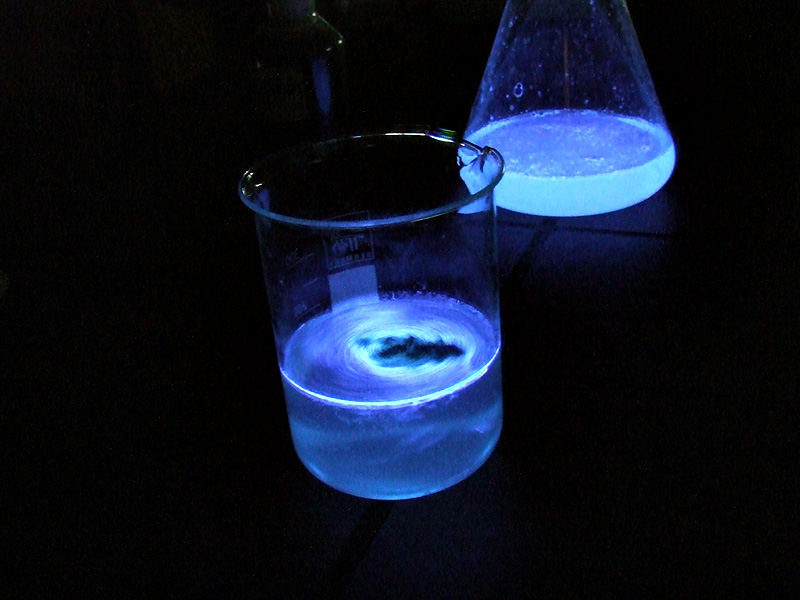
UV-photoluminescence in microbiological diagnostics
🦋 Bioluminescence
Bioluminescence is one of the coolest types of luminescence found in living beings! 🦋For example, the enchanting firefly releases light from its belly to attract mates. 🌟Another famous bioluminescent creature is the anglerfish. It has a glowing lure that helps it catch prey in the dark ocean! Some mushrooms even glow at night, lighting up the forest floor. 🌲Bioluminescent creatures often use their glow for communication, camouflage, or to catch food. Isn’t nature incredible? Each shiny creature adds a little sparkle to our world! 💚
Go deeper🧪 Luminescent Materials
Luminescent materials are the special substances that can glow! 🧪Some common materials include zinc sulfide and strontium aluminate, which can be used to create glow-in-the-dark stickers. In the ocean, certain types of algae can also shine bright. 🌊How cool is that? Scientists are always looking for new materials that emit light in unique colors, making art and technology more fun! To make glow-in-the-dark toys, manufacturers use these luminescent materials to capture light and release it slowly, creating a magical glowing experience! 🌈
Go deeper💡 Types Of Luminescence
There are several exciting types of luminescence! 💡The main ones include Chemiluminescence, when light is produced by a chemical reaction, like in a glow stick. Then there's Bioluminescence, which is found in living creatures like jellyfish and some fungi! 🌊Some other types are Fluorescence, where materials emit light when exposed to another light source, and Phosphorescence, where things can glow in the dark after being charged with light. Each of these types has its own fun features, making our world even more colorful and bright! 🌈
Go deeper💫 Luminescence In Nature
Nature is filled with amazing luminescent surprises! 💫From sparkling fireflies to glowing marine creatures, luminescence adds magic to the environment. 🦑Some fungi, like the famous “foxfire,” glow in the darkness of the forest, creating a fairy-tale atmosphere. Certain minerals, like fluorite, also fluoresce under UV light, lighting up caves! ✨Some coral reefs even display bioluminescence, glowing beneath the waves. Animals use their glow for hunting, protection, or attracting friends! Nature’s luminescent wonders remind us that there’s always something special waiting to be discovered! 🌈
Go deeper🛠️ Mechanisms Of Luminescence
So, how does luminescence actually work? 🛠️ Let’s break it down! When atoms or molecules get excited, they can release energy in the form of light. For example, when you shake a glow stick, a chemical reaction happens inside, creating light! In fluorescence, light is absorbed and quickly re-emitted, while in phosphorescence, the light can linger for a little while after the exciting light source goes away. This process occurs at the atomic level, making it super fascinating! Every time you see something glow, like neon signs at night, remember there’s a lot of science happening! 🔬
Go deeper🌍 Applications Of Luminescence
Luminescence isn’t just for nature; it helps us in everyday life! 🌍One exciting application is in safety signs. You might see glowing exit signs in dark places, helping you find your way. Another cool use is in medical technology, where doctors use luminescence to see inside our bodies! 🔦Fluorescent lights brighten up our homes and schools too. Scientists even use luminescence in crime scene investigations! They find hidden things with special lights. It's amazing how this glowing feature can make the world safer and brighter for everyone! 🌟
Go deeper🌞 Fluorescence Vs. Phosphorescence
Fluorescence and phosphorescence are both types of luminescence, but they behave differently! 🌞Fluorescence happens quickly - when you shine a light on a fluorescent material, it glows brightly, but the glow stops almost immediately when the light goes away. Phosphorescence, on the other hand, is like a sleepy glow! 😴It stores energy and continues to shine for a while even after the light source is turned off! Glow-in-the-dark stars use phosphorescence to twinkle softly in your room! 🌌Understanding the difference helps us enjoy the glow in smarter ways!
Go deeper🌟 Historical Discoveries In Luminescence
Many smart scientists discovered luminescence through time! 🌟One of the first was William Crookes, who studied glowing materials in the late 1800s. He even made the famous "Crookes tube" that showed how electrons create light! 🚀Another important figure, Nicolas Léonard Sadi Carnot, discovered how heat and energy play a role in luminescence. Fast forward to today, many scientists continue to explore the glowing universe! With each discovery, we learn new ways to use luminescence in technology, art, and even medicine! How exciting is that? 🎉
Go deeper🚀 Future Trends In Luminescence Technology
Luminescence technology is rapidly evolving and becoming more exciting! 🚀Scientists are now exploring more eco-friendly materials that can glow without harmful effects on the environment. Some researchers are even working on new LED lights that can be made with luminescent materials, helping save energy! Imagine roads that glow at night! 🌙In medicine, luminescent sensors are being developed to help detect diseases more quickly. The future of luminescence is bright and full of possibilities, and we can’t wait to see what other glowing innovations will come next! 🌟
Go deeper🔬 Experimental Techniques In Luminescence Research
Scientists use fun experiments to study luminescence! 🔬They often start by using special light sources like lasers or UV lights to excite materials and observe their glow. By changing different factors, like temperature or chemical properties, they can see how it affects luminescence. Researchers also use cameras to capture and study the beauty of luminescent creatures in deep oceans. 📸With these techniques, they collect valuable information that inspires new applications and technologies in our world! Every glowing observation helps uncover more secrets of light! 💡
Go deeper