Lonicera Facts For Kids
Honeysuckles, or Lonicera, are beautiful arching shrubs or twining vines known for their sweet-smelling flowers and juicy berries, thriving in diverse environments across the globe.
Select reading age

Lonicera Facts For Kids
Videos & Quizzesincluded
About this topic
Honeysuckles, belonging to the genus Lonicera, are delightful plants found in gardens and wild areas. 🌼They have wonderful fragrant flowers and sweet-tasting nectar that birds and insects love! Some honeysuckles are bushes, while others are climbing vines that can grow up to 30 feet long! 🐦Lonicera comes in over 180 species, and they are mainly found in areas of North America, Europe, and Asia. These plants are fantastic for adding color and attracting wildlife. People often love to plant them for their beauty and sweet scent! 🌸
Explore with ChatDinoKey Points
Honeysuckle flowers can be used in fun ways!
Honeysuckles aren’t just pretty; they have been used in traditional medicine!
Honeysuckles come in many kinds!
Like all plants, honeysuckles can face some trouble with pests and diseases.
Many honeysuckle species are doing well, but some are in trouble!
Growing honeysuckles is fun and easy!
Honeysuckles have a rich history in different cultures!
Honeysuckles play a vital role in nature!
Honeysuckles are found in many places around the world!
Honeysuckles have unique shapes and beautiful colors!
Photos of Lonicera

Wild honeysuckle buds in New York

SVG Version of PNG file. Slight variation on original: captions removed and numbers reprinted. Original caption for the numbers: 1. A flowering branch, 2. A fruiting branch, 3. Longitudinal section of a flower, 4. A fruit cut horizontally.

Honeysuckle (Lonicera japonica)

Honeysuckle flower, after few days it changes to yellow
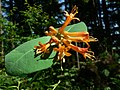

Lonicera — photo 6
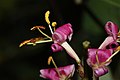
Lonicera — photo 7


Lonicera — photo 9
🌸 Culinary Uses
Honeysuckle flowers can be used in fun ways! 🌸They taste sweet, and people like to use them in salads for a colorful and flavorful treat! Some can also be made into syrups or used to flavor drinks. 🍹Just remember not to eat the berries from all species, especially the toxic ones. Stick to the edible varieties and always ask an adult before tasting! Cooking with honeysuckles can make meals and snacks exciting and delicious! Using flowers is a fun way to enjoy nature's bounty! 🌿
Go deeper🌿 Medicinal Uses
Honeysuckles aren’t just pretty; they have been used in traditional medicine! 🌿In some cultures, the flowers are believed to help with colds and reduce inflammation. The berries from certain species have also been used in herbal teas! 🌱People have believed that honeysuckles can help boost the immune system and even treat skin conditions. However, it’s essential to be careful and always ask an expert before trying any medicinal uses. Not all honeysuckles are safe to consume, so it's best to stick to those recommended by health professionals! 📚
Go deeper🌼 Species Diversity
Honeysuckles come in many kinds! 🌼Some popular species include the Japanese honeysuckle (Lonicera japonica), known for its sweet-scented flowers, and the American honeysuckle (Lonicera sempervirens), which has bright red tubular flowers loved by hummingbirds. 🌸There’s also the Goldflame honeysuckle, with beautiful orange and yellow blooms. Some honeysuckles are shrubs, while others are twining vines. Each species has its unique appearance, with different colors and shapes of flowers! 🌺It’s fascinating to learn about all these varieties and how they adapt to their environments!
Go deeper🐜 Pests And Diseases
Like all plants, honeysuckles can face some trouble with pests and diseases. 🐜Some common pests include aphids, spider mites, and whiteflies that may munch on their leaves. To keep them healthy, gardeners can wash the leaves or use organic sprays! 🌿Honeysuckles can also get diseases like powdery mildew or leaf spot. It's essential to remove any sick leaves and ensure good air circulation to prevent spreading! Regular care helps keep honeysuckles strong and beautiful in our gardens! 🌈
Go deeper🌱 Conservation Status
Many honeysuckle species are doing well, but some are in trouble! 🌱For example, the Japanese honeysuckle (Lonicera japonica) is considered invasive in some areas, taking over spaces where native plants should grow. 🌳Conservation efforts focus on protecting native honeysuckles and controlling the spread of invasive ones. It's important for us to take care of our natural habitats, ensuring that these sweet plants continue to thrive for future generations. 🌿Supporting local gardens and planting native species can help keep honeysuckle populations healthy and balanced! 🌼
Go deeper🌱 Cultivation And Care
Growing honeysuckles is fun and easy! 🌱To plant them, find a sunny spot with good soil. You can start from seeds, cuttings, or young plants from a nursery. Water your honeysuckle regularly, especially in dry weather, but don’t let the soil get too soggy. 🌧️ Pruning in late winter or early spring helps keep them neat and encourages more flowers! Honeysuckles can attract helpful critters like bees and butterflies, making your garden an exciting place to explore. Just be aware that some species can spread quickly, so check with your local garden expert! 🌻
Go deeper🌍 Cultural Significance
Honeysuckles have a rich history in different cultures! 🌍In China, honeysuckle flowers are symbols of love and beauty, and they are often used in traditional medicines. Native American tribes valued honeysuckles for their nectar and medicinal uses. In folklore, they are sometimes seen as symbols of friendship and devotion. 🌼Across many cultures, the sweet smell of honeysuckle has inspired poems and songs. People often plant them to bring joy and beauty to their surroundings, making them an essential part of gardens worldwide! 🌸
Go deeper🌼 Ecological Importance
Honeysuckles play a vital role in nature! 🌼They provide food and shelter for many animals. Bees, butterflies, and hummingbirds love their sweet nectar! 🐦The berries are a tasty treat for birds, squirrels, and other wildlife. Honeysuckles also help improve soil quality by adding organic matter when their leaves fall. 🌍This makes them an essential part of the ecosystem, supporting various plants and animals. By planting honeysuckles in gardens, we help create a friendly environment for our buzzing and chirping friends! 🌳
Go deeper🌍 Habitat And Distribution
Honeysuckles are found in many places around the world! 🌍They grow in forests, gardens, and even along roadsides. In the United States, you can find many species of honeysuckle in the eastern part, especially in states like New York, Ohio, and Tennessee. They love sunny spots and rich soil but can also adapt to other environments. 🌞Some honeysuckles are native plants, while others were brought from countries like Asia and Europe. This means they can grow in different climates, making them versatile and popular among gardeners! 🌿
Go deeper🌈 Botanical Characteristics
Honeysuckles have unique shapes and beautiful colors! 🌈Their flowers can be trumpet-shaped and come in shades of white, yellow, pink, or red. The leaves are usually green and can be oval or lance-shaped. Most honeysuckles bloom in spring and summer, making gardens bright and cheerful! 🌞The fruits, which are small berries, can be red, orange, or purple, but be careful – some are tasty, and others can be toxic! Always check with an adult before tasting plants. Honeysuckles are known for their sweet-smelling flowers that attract bees, butterflies, and hummingbirds. 🐝
Go deeper