Livestock Facts For Kids
Livestock are domesticated animals raised in agriculture for food and other products, playing a crucial role in our economy, culture, and sustainability.
Select reading age
Livestock Facts For Kids
Videos & Quizzesincluded
About this topic
Livestock are farm animals that humans raise for food, clothing, and work. These animals play a big role in agriculture! 🌾Some common types of livestock include cows, pigs, sheep, and chickens. They help us produce delicious foods like milk, eggs, and meat. 🐄🐖 Livestock can also give us materials like wool for sweaters and leather for shoes. Farming with livestock has been essential for thousands of years, helping people live better lives. 🌍Understanding livestock is important for everyone because they are a vital part of how we eat and live every day!
Explore with ChatDinoKey Points
Livestock provide us with many wonderful products!
There are many types of livestock, each with unique benefits!
Taking care of livestock is very important!
Keeping livestock healthy is crucial for farms!
Livestock have both positive and negative effects on the environment!
Breeding is how farmers choose animals to create the best livestock!
Livestock are important in many cultures across the globe!
The future of livestock farming is exciting!
Livestock domestication started thousands of years ago!
Livestock are super important in agriculture!
Photos of Livestock

Sheep in Écrins National Park (France)

This Australian road sign uses the less common term "stock" for livestock.

Livestock — photo 3

Livestock — photo 4

Livestock — photo 5

Livestock — photo 6


Livestock — photo 8

Water buffalo ( Bubalus bubalis ), Thailand.
🥗 Livestock Products
Livestock provide us with many wonderful products! 🥗From cows, we get milk, cheese, and butter. 🐄They also give us beef, which is popular for burgers and steaks! 🍔Chickens are famed for their eggs, a breakfast favorite around the world! 🥚Pigs provide various cuts of meat like bacon and ham. 🐖Sheep offer wool, making warm sweaters and blankets. 🐑Goats give us tasty cheese and milk. 🐐All these products are important for delicious meals and clothing! Livestock products help sustain families, businesses, and communities all around the world! 🌎
Go deeper🐑 Types Of Livestock
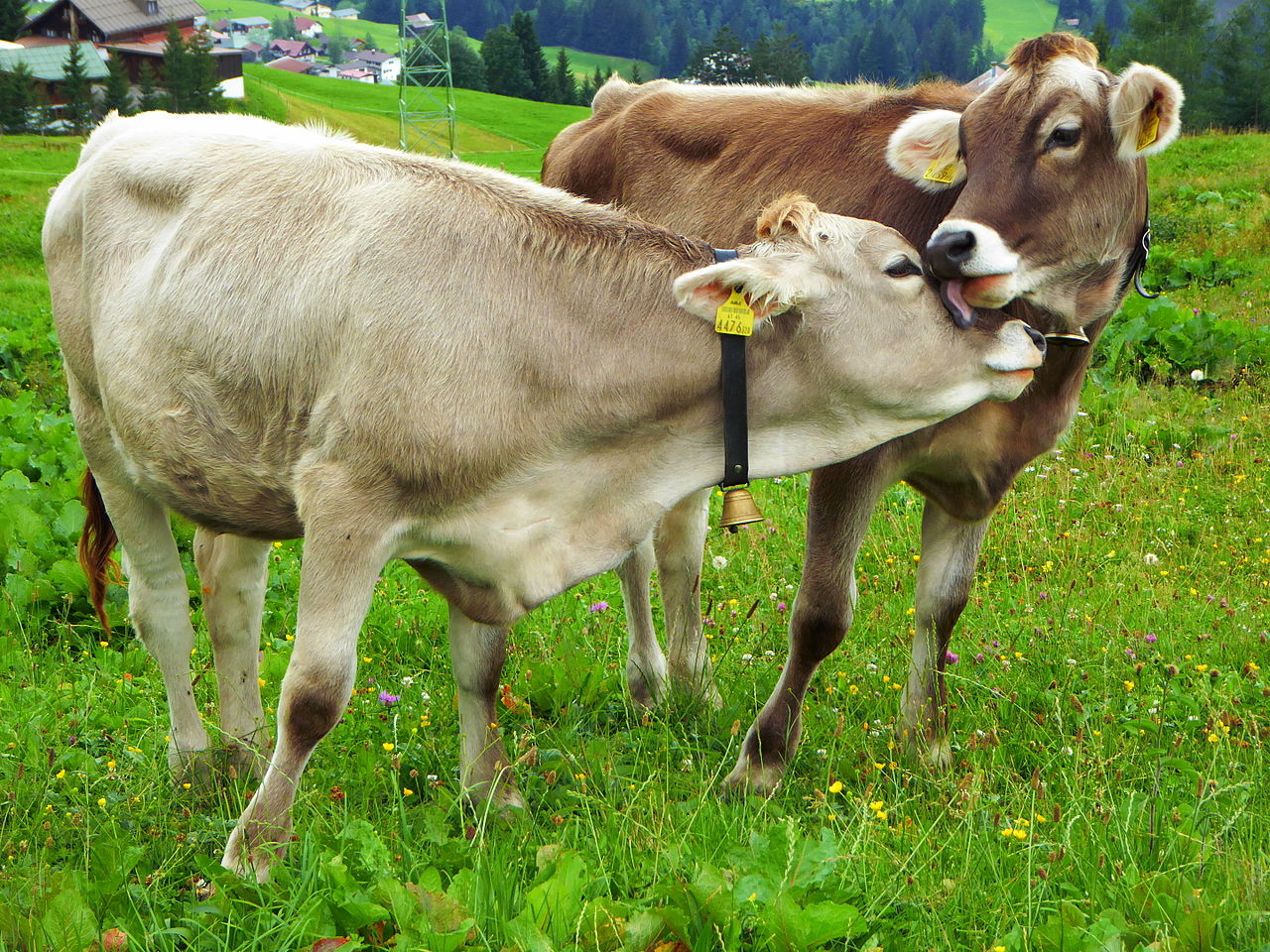
There are many types of livestock, each with unique benefits! 🐑Cows provide us with milk and beef. For example, a dairy cow can produce up to 8 gallons of milk each day! 🥛Pigs are known for their fast growth and are often raised for pork. 🐖Sheep give us wool for warm clothes and lamb for tasty meals. 🐑Chickens are wonderful; they lay eggs and provide delicious meat, too! 🥚Goats can eat tough plants and provide milk and cheese. 🐐Each type helps farmers provide food and materials to people everywhere!
Go deeper🐖 Care And Management
Taking care of livestock is very important! 🐖Farmers make sure their animals have clean shelters, enough food, and plenty of water. They also provide vaccinations to keep them healthy! 🏥Regular check-ups are done to spot any illness early. Farmers also practice good management, keeping records of each animal to track growth and health. 🗂️ Livestock need exercise, so farmers give them space to roam. The right care improves the quality of milk, meat, and eggs, ensuring delicious and healthy food for families everywhere! 💖Good livestock care is crucial for successful farming!
Go deeper🦠 Health And Diseases
Keeping livestock healthy is crucial for farms! Animals can get sick just like humans. 🦠Common diseases include foot-and-mouth disease in cattle and avian influenza in chickens. Farmers watch for signs of illness, such as lack of energy or changes in eating habits. 🐄Vaccination is a major tool for prevention! For example, vaccinating against diseases like brucellosis helps keep cows healthy. When animals do fall ill, farmers work with veterinarians to treat them. Good health means happier animals and better food for everyone! Healthy livestock also help prevent spreading diseases to other animals and humans. 🌍
Go deeper🌱 Environmental Impact
Livestock have both positive and negative effects on the environment! 🌱On one hand, they can contribute to soil health with manure, which helps crops grow. On the other hand, too many livestock can lead to overgrazing and soil erosion. 🌪️ Most livestock farming uses lots of water and can produce greenhouse gases, impacting climate change. 🏞️ Farmers are learning to use better practices, like rotational grazing, which allows pasture to recover and stay healthy. 🌿This helps protect the environment and keep farming sustainable for the future. Finding the right balance is key!
Go deeper🐑 Breeding And Genetics
Breeding is how farmers choose animals to create the best livestock! 🐑It involves selecting animals with strong qualities, like fast growth or high milk production. 🐄For instance, Holstein cows are known for producing lots of milk due to careful breeding. 🌼Genetic traits can be passed down through generations! Some farmers use science to understand animal genetics better. By mixing different breeds, farmers can create strong and healthy animals. They aim to make livestock that can grow well in various environments, helping farms succeed! This process helps ensure good food for everyone! 🥳
Go deeper🎉 Cultural Significance
Livestock are important in many cultures across the globe! 🎉In India, cows are considered sacred and are treated with great respect. 🐄In China, pig farming is part of the culture as the pig represents wealth and good fortune. 🐖In many places, livestock play roles in traditional celebrations and festivals. 🥳For example, the annual running of the bulls in Spain highlights the significance of cattle in the community. 🌍Livestock not only provide food but also connect people to their traditions, showcasing the special relationship between humans and animals through time!
Go deeper🌟 Future Trends In Livestock Farming
The future of livestock farming is exciting! 🌟Farmers are using technology like sensors and drones to improve their practices. 📡These tools help monitor animal health and make farming more efficient. People are also exploring sustainable farming methods that keep the environment safe, like using less water and reducing greenhouse gas emissions. 🌱Additionally, alternative proteins, like lab-grown meat and plant-based products, are becoming popular. 🍔Farmers and scientists are working together to find solutions that protect the planet while still feeding everyone. The future of livestock farming is bright and full of possibility! 🌈
Go deeper🌟 History Of Livestock Domestication
Livestock domestication started thousands of years ago! 🌟About 10,000 years ago, in places like the Fertile Crescent (today's Middle East), people began raising animals instead of just hunting them. 🐾They learned that cows, sheep, and goats could provide food and materials. The first domesticated livestock were wild ancestors, like wild boars turning into pigs! 🐗Different cultures developed their own livestock based on what worked best for them. Today, livestock are found on farms all around the world, from North America to Asia, helping people with their daily needs! 🌍
Go deeper🐮 Importance Of Livestock In Agriculture
Livestock are super important in agriculture! 🐮They help farmers grow food in many ways. For example, cows and sheep produce manure, which fertilizes crops and makes them grow better. 🌱Chickens help control pests by eating insects. 🐔Additionally, livestock provide milk, meat, and eggs that are essential in our diets. Many communities depend on livestock for their livelihood. In India, for instance, people raise cattle for milk and beef. Around the world, livestock farming supports millions of people! 🌎Without livestock, our food systems would look very different!
Go deeper