Lingala Facts For Kids
Lingala is a Bantu language primarily spoken in the Congo region and is known for its vibrant musical culture and influence from French.
Select reading age
Lingala Facts For Kids
Videos & Quizzesincluded
About this topic
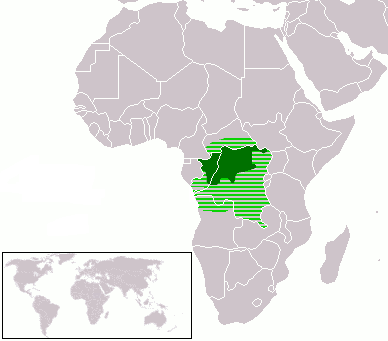
Lingala is a fun language spoken mainly in the Democratic Republic of the Congo and the Republic of the Congo. 🗺️ It belongs to the Bantu family of languages and is the second most spoken language in these countries after French. Over 10 million people use Lingala to talk to each other every day! 😊It’s not just a spoken language; many people also write in Lingala. The language is known for its musical phrases and colorful words, making conversations lively and entertaining. 🎶It also often borrows words from French and other local languages.
Explore with ChatDinoKey Points
Lingala is found in various media!
Lingala is closely associated with music, especially in the Congo!
Lingala started its journey in the 19th century!
Lingala has some cool features!
Lingala plays a vital role in the culture of Congo!
Lingala has several dialects and variants!
Like many languages, Lingala faces some challenges.
Learning Lingala can be fun!
Photos of Lingala

Body parts in Lingala

COVID-19 information in Lingala

Lord's Prayer
📺 Lingala In Media
Lingala is found in various media! 📺You can hear it on the radio, in TV shows, and even in movies. Many popular Congolese films use Lingala dialogues, showcasing everyday life and traditions. 🎬Radio stations often play Lingala music and discuss cultural issues, making it important for community bonding. Social media platforms have also embraced Lingala, with many users posting in the language! 🐦This helps promote Lingala worldwide, allowing everyone to enjoy and learn about this colorful and lively language. 💻
Go deeper🎶 Lingala In Music
Lingala is closely associated with music, especially in the Congo! 🎶Popular styles include Soukous and Rumba, which are loved by many. Famous artists like Wenge Musica and Franco Luambo use Lingala in their songs, making them even catchier! 🎤The beats and rhythms in this music are infectious, and people often dance to it at parties and gatherings. 🎉Music is a great way to share culture, and Lingala songs often talk about life, love, and community, helping the language thrive in a fun way!
Go deeper📜 History Of Lingala
Lingala started its journey in the 19th century! 📜It was originally a trade language along the Congo River. People from different tribes used it to communicate when trading goods like fish, salt, and fruits. By the 20th century, Lingala became even more popular, especially when soldiers used it during World War I. ⚔️ In the 1950s, it started to appear on radio and in schools, helping more and more people learn it! It continues to grow and change, showing the strength of its rich history and the culture of the Congolese people. 🌍
Go deeper🥳 Linguistic Features
Lingala has some cool features! 🥳It has nouns, verbs, adjectives, and adverbs, just like English! One interesting thing is that it has noun classes; for example, a class for people and another for animals! 🐘The language also uses prefixes and suffixes to change the meaning of words. For instance, "bantu" means "people," while "mpangi" means "friend." In Lingala, “bapangi” means “friends!” 🤝 The pronunciation is pretty straightforward, and it’s often rhythmic, which makes it great for singing. 🎤The sound of Lingala has a harmonious flow!
Go deeper🎉 Cultural Significance
Lingala plays a vital role in the culture of Congo! 🎉It connects people, telling stories and sharing experiences. The language is often used in traditional ceremonies, festivals, and local gatherings. 🥳Many Congolese people feel proud to speak Lingala, as it reminds them of their heritage. Additionally, folklore is often passed down through Lingala, with stories of heroes and legends being shared from one generation to the next. 📖It helps preserve traditions and ensures everyone can enjoy their rich history and celebrate their identity!
Go deeper🌈 Dialects And Variants
Lingala has several dialects and variants! 🌈The main ones are Standard Lingala, spoken in cities like Kinshasa, and the regional dialects found in rural areas. Each area has its own fun twists in pronunciation and vocabulary. For example, people in cities might say "mboka" for "country," while those in the countryside might use different words. This variety makes Lingala exciting because it reflects the different cultures and communities in the Congo. 🎨Even though they might sound a little different, all speakers can understand each other most of the time!
Go deeper📉 Challenges And Preservation
Like many languages, Lingala faces some challenges. 📉Younger generations are sometimes more comfortable speaking French or English. To keep Lingala alive, communities are working to encourage its use in schools and on social media. 📱People are also creating new stories, songs, and even cartoons in Lingala! This effort helps kids relate to the language and strengthens their connection to their culture. By celebrating Lingala and making it relevant today, people are ensuring that this vibrant language continues to thrive for future generations. 🌟
Go deeper📚 Language Learning Resources
Learning Lingala can be fun! 📚There are various resources available, like books, videos, and apps. Some online platforms offer language lessons, quizzes, and games to help kids learn Lingala. 🎮Websites like Duolingo and YouTube have fun tutorials and songs in Lingala! Local community centers may also have classes where you can meet friends and practice speaking. 🎉If you ever visit Congo, listening to the locals and joining in their conversations can help you learn fast! The more you practice, the more fun it gets!
Go deeper