Lie Facts For Kids
A lie is an assertion believed to be false, typically aimed at deceiving or misleading someone.


Do more with AI
Introduction
A lie is when someone says something that isn’t true. 😲For example, if you say you didn’t eat the last cookie when you really did, that's a lie! People sometimes lie to avoid getting in trouble or to make themselves look better. Lies can be small, like telling a friend you like their drawing when you don't, or big, like telling someone you saw a dinosaur at the park (we know dinosaurs are extinct!). 🦖Lies can be tricky, and it's important to tell the truth. Remember, honesty is always the best policy! 😊
Images of Lie

A motivational poster about lying declares "An ostrich only thinks he 'covers up'"
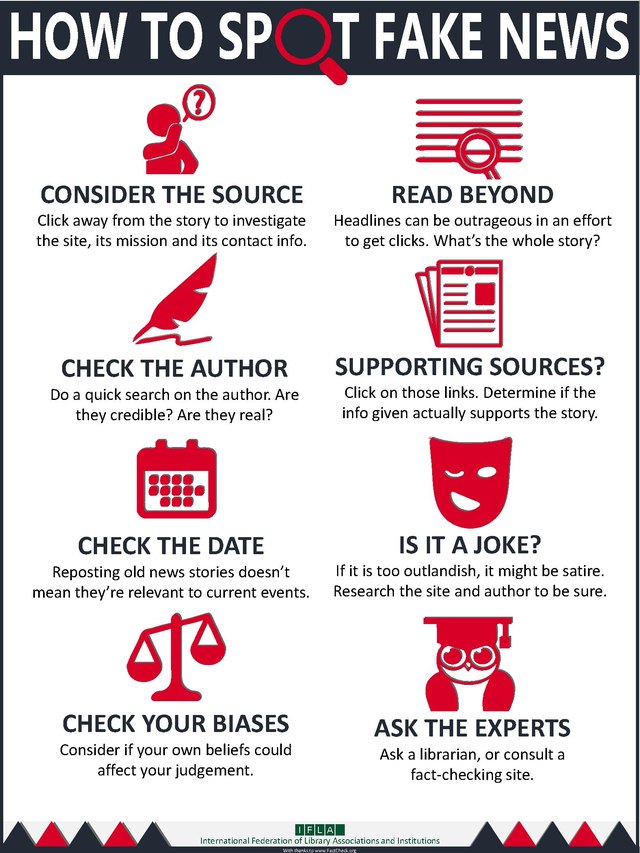
Infographic How to spot fake news published by the International Federation of Library Associations and Institutions

Consumer protection laws often mandate the posting of notices, such as this one which appears in all automotive repair shops in California.
![Plato presented arguments to justify the use of noble lies in his Republic.[23]](https://upload.wikimedia.org/wikipedia/commons/thumb/8/88/Plato_Silanion_Musei_Capitolini_MC1377.jpg/960px-Plato_Silanion_Musei_Capitolini_MC1377.jpg)
Plato presented arguments to justify the use of noble lies in his Republic.[23]

Portrait bust of Aristotle made by Lysippos

Pinocchio, a symbol of untruthfulness

A Torah scroll recovered from Glockengasse Synagogue in Cologne

St. Augustine by Carlo Crivelli

Darius I, imagined by a Greek painter, fourth century BCE
Types Of Lies
There are many types of lies! 😮The first type is a "white lie," which is a small lie that doesn't really hurt anyone, like saying you love the cereal when you don’t. Another type is a "fib," which is also a small lie, like saying your pet is “really big” when it’s just tiny! 🐱Some lies are called "tall tales," which are big and funny stories that aren't true, like saying you caught a fish as big as a car! 🎣But, just because these types of lies might seem harmless, it’s important to always think about the truth!
Detecting Lies
Detecting lies is like being a detective! 🕵️♂️ People often look for clues to find out if someone is lying. Common signs include avoiding eye contact, fidgeting, or giving too much detail. ✋Voice tone can also change when someone is lying. But remember, these clues aren’t always right! Sometimes, a person might just be nervous or shy. It's important to listen closely and ask questions. Being good at detecting lies takes practice, so always gather all the information you can before making a judgment!
Psychology Of Lying
Why do people lie? 🤔The psychology of lying is fascinating! Some people lie to protect themselves, make others feel good, or even to avoid punishment. Studies show that kids might lie when they think they will get in trouble, or when they want to impress their friends! In fact, research from around the world shows that almost everyone lies at some point. 🧠But remember, the more people lie, the easier it is for them to feel guilty or sad. Telling the truth helps us feel better inside!
Lying And Technology
Technology affects how we lie today! 📱With the internet and texting, it’s easier for people to lie. Someone might pretend to be someone else online, which can lead to big problems. 😬Social media can create a space for people to share fake news or rumors too! It’s important to think critically about what we see or read online. Always be a smart and cautious detective on the internet! 🕵️♂️ Remember to double-check the facts and talk to someone you trust before believing everything!
Consequences Of Lying
Lying can lead to big consequences! 📉If you tell a lie, people might stop trusting you, which can make friendships hard. For example, if a friend finds out you lied, they might feel hurt and decide not to share secrets anymore. 😢Also, lying can get you in trouble with adults, like teachers or parents! The truth usually comes out, and it’s better to face a small mistake instead of telling a lie that grows into a bigger problem. So, always remember to be honest!
Famous Lies In History
Throughout history, there have been many famous lies! 😯One of the most well-known is the "Pizzagate" conspiracy, which claimed a pizza restaurant was part of a secret crime ring. 🌐It turned out to be completely false, and many people were hurt because of it. Another example is the story of George Washington and the cherry tree. He allegedly chopped down a tree and admitted it, saying, "I cannot tell a lie." 🇺🇸 This teaches us that honesty is important, even if it’s just a story!
The Ethics Of Deception
The ethics of lying means thinking about right and wrong when it comes to telling lies. ⚖️ Some people believe it’s okay to lie sometimes, like to surprise someone for their birthday! 🎉But others think lying is always bad. It’s important to ask yourself: “Is this lie harmless, or could it hurt someone?” Lying can sometimes be tempting, but choosing to tell the truth usually makes everyone feel better in the long run. ✔️ It’s always a good idea to practice honesty!
Lying In Different Cultures
Did you know that different cultures view lying in unique ways? 🌎In some cultures, "little white lies" might be seen as okay. For example, in Japan, it’s common to protect someone’s feelings with a gentle lie. But in places like the United States, telling the truth is often more important! 🗨️ It’s interesting how growing up in different countries can change our thoughts on lying and honesty. Learning about how others view lies and truth helps us understand and respect different ways of thinking!
Lying In Literature And Film
Lies are exciting in stories! 📚Authors and filmmakers often use lies to create drama and suspense. In "Pinocchio," a wooden puppet learns that lying makes his nose grow! 🤥In the movie "The Lion King," a character named Scar lies to gain power. 🎥These stories show us that lying can lead to problems and that truth can be more powerful. Watching how characters deal with lies teaches us valuable lessons about honesty, trust, and friendship in real life! 🌟
Lie Quiz
Learn more about Lie
