Levee Facts For Kids
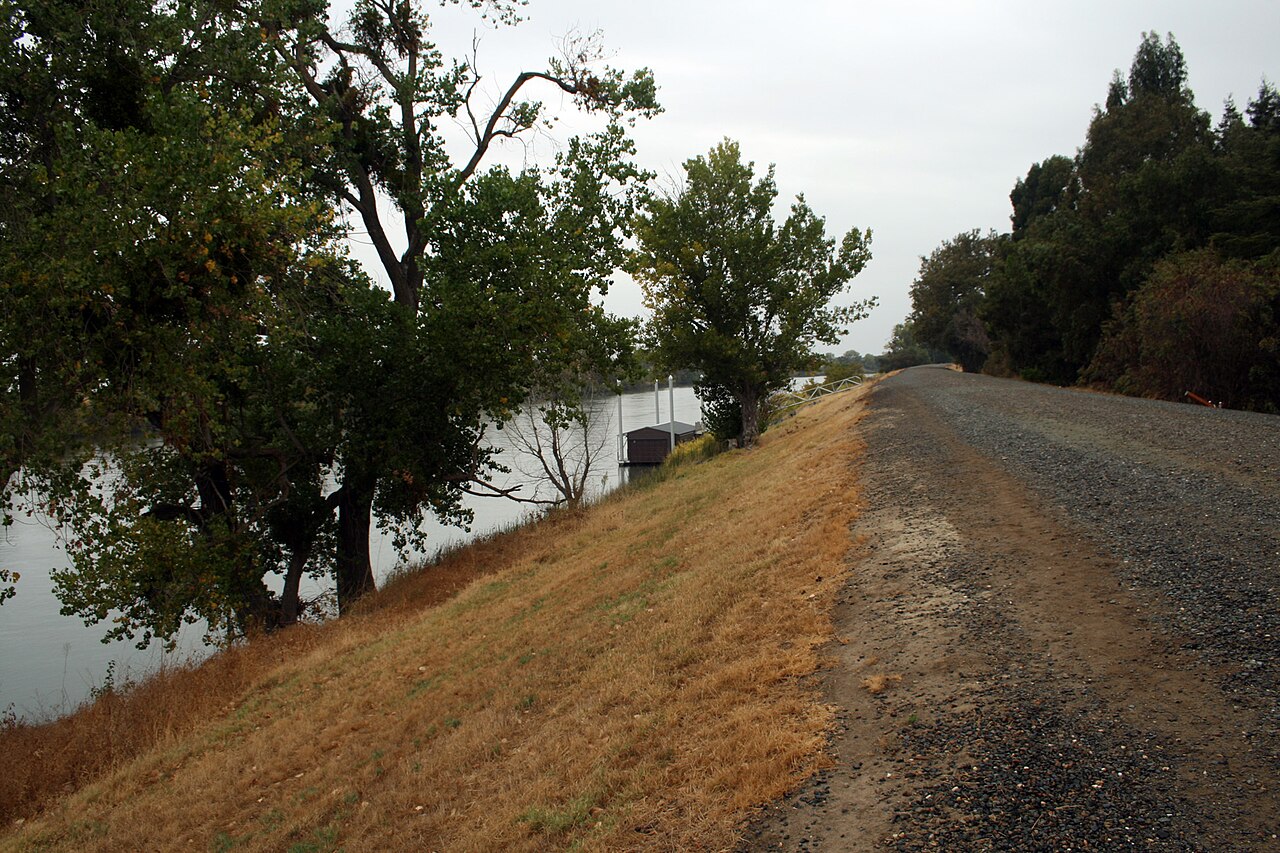
A levee is an elevated ridge alongside the banks of a river, built to prevent flooding in the areas nearby.
Select reading age
Levee Facts For Kids
Videos & Quizzesincluded
About this topic
Levees are like big walls made of dirt or concrete that help keep rivers from overflowing 🌊. They’re built next to rivers to protect people and their homes from flooding, which can happen during heavy rain or snowmelt. Levees are found all over the world, especially in places like the United States, where the Mississippi River needs extra protection! 🌍They help hold back water, ensuring that farms, roads, and towns stay safe and dry. Understanding levees is important so we can keep our communities safe from water disasters!
Explore with ChatDinoKey Points
Levees work by creating a barrier between a river and the surrounding land.
There are several types of levees!
Levees have a long and interesting history!
Designing a levee is a big job that requires skilled engineers!
Levees help keep people safe 🏡, but they also can change the environment around rivers!
Sometimes, levees can fail, causing serious flooding.
To keep levees strong, they need regular maintenance and inspection!
The future of levee technology is bright!
Building a levee requires different materials to make sure it’s strong.
Levees must follow specific rules and standards to ensure they are safe.
Photos of Levee
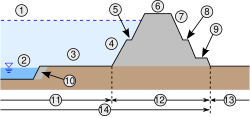
Components of an artificial levee: Design high water level (HWL)Low water channelFlood channelRiverside slopeRiverside banquetteLevee crownLandside slopeLandside banquetteBermLow water revetmentRiverside landLeveeProtected lowlandRiver zone

A reinforced embankment

Broken levee on the Sacramento River

A levee keeps high water on the Mississippi River from flooding Gretna, Louisiana, in March 2005.
🌧️ How Levees Work
Levees work by creating a barrier between a river and the surrounding land. When it rains a lot 🌧️, rivers can fill up and overflow. The levee holds back the extra water, keeping it in the river channel. It’s like a giant wall that stops the water from spilling into neighborhoods and farms. Levees also help redirect water, so it flows safely downstream instead of flooding! The water can still rise behind the levee, so engineers make them tall and strong to handle heavy rain. This helps keep everyone safe during flood season. 💧
Go deeper🏙️ Types Of Levees
There are several types of levees! Some common types include:
1. Earthen Levees: Made of dirt and grass, these are the most common.
2. Rock Levees: Built with rocks to withstand heavy water pressure.
3. Concrete Levees: Strong and long-lasting, used in large cities.
4. Relief Levees: Built to protect specific areas during extreme flooding.
Each type of levee serves a purpose depending on where they are needed and how much water they need to hold back. This helps keep various areas safe. 🏙️
Go deeper1. Earthen Levees: Made of dirt and grass, these are the most common.
2. Rock Levees: Built with rocks to withstand heavy water pressure.
3. Concrete Levees: Strong and long-lasting, used in large cities.
4. Relief Levees: Built to protect specific areas during extreme flooding.
Each type of levee serves a purpose depending on where they are needed and how much water they need to hold back. This helps keep various areas safe. 🏙️
🏛️ History Of Levees
Levees have a long and interesting history! 🏛️ The first levees were built over 4,000 years ago in ancient Egypt along the Nile River. Egyptians made simple dirt walls to prevent flooding as they grew crops. In the 1700s, people in the Netherlands built strong levees called dikes to keep the sea out 🏞️. Today, with advanced engineering, levees are carefully designed to protect cities. For example, New Orleans has levees that help protect it from hurricanes! 🌪️ Through history, levees have been important for keeping people safe and allowing cities to grow.
Go deeper👷♂️ Levee Design And Engineering
Designing a levee is a big job that requires skilled engineers! 👷♂️ They think about many things, like how high the levee needs to be and how strong it should be. Engineers use special tools to check how much water the levee will hold, and they often build them wider at the bottom so they’re stable. They also consider weather patterns, floods, and how many people live nearby. With help from science and math, engineers make sure levees can withstand heavy rainfall and keep communities safe! 📏🌈
Go deeper🏡 Impact Of Levees On Ecosystems
Levees help keep people safe 🏡, but they also can change the environment around rivers! When levees are built, they stop rivers from spreading, which affects fish and plants that live there. Some animals may have less food or homes because of this. 💔It’s essential to find a balance between keeping people safe and protecting nature. Scientists and engineers now work together to design levees that are friendly to ecosystems, such as creating special openings for wildlife to pass through or improving habitats nearby! 🌿🦋
Go deeper🌪️ Levee Failures And Case Studies
Sometimes, levees can fail, causing serious flooding. One famous example is the levee failure during Hurricane Katrina in 2005, which flooded parts of New Orleans. The levees weren’t strong enough to handle the storm surge! 🌪️ After that, many improvements were made to strengthen and protect other levees across the country. Learning from these failures helps engineers create better designs and protections for the future. 🌈Every levee failure teaches us important lessons about safety and the need for improvements in design and maintenance!
Go deeper🌟 Levee Maintenance And Inspection
To keep levees strong, they need regular maintenance and inspection! 🌟People check for cracks, erosion, and any plants that might damage the levee. Sometimes, levees might get muddy or worn down, so workers fix them by adding more soil or rocks. Inspections happen often, especially before rainy seasons, to make sure levees are ready to handle high water levels. Just like we take care of our homes, we must care for levees to ensure they continue to protect us from floods! 🛠️
Go deeper🌱 Future Trends In Levee Technology
The future of levee technology is bright! Engineers are finding new ways to make levees even stronger and more eco-friendly 🌱. For example, some are using smart sensors to monitor water levels in real-time, helping officials respond quickly if a flood is coming. Others are experimenting with “green levees,” which use plants and soil to help absorb water! 🌼Technologies like these make levees safer, better for the environment, and more effective at protecting communities. The aim is to create levees that will stand the test of time and work in harmony with nature!
Go deeper🏗️ Materials Used In Levee Construction
Building a levee requires different materials to make sure it’s strong. The main materials include:
1. Soil and Clay: The main material for earthen levees, used for stability.
2. Rock: Provides strength and is used for rock levees.
3. Concrete: Used in urban areas for strong flood defenses.
4. Geotextiles: Fabrics that help hold soil together and prevent erosion.
Each material has its own purpose and helps the levee perform well in protecting against floods! 🏗️
Go deeper1. Soil and Clay: The main material for earthen levees, used for stability.
2. Rock: Provides strength and is used for rock levees.
3. Concrete: Used in urban areas for strong flood defenses.
4. Geotextiles: Fabrics that help hold soil together and prevent erosion.
Each material has its own purpose and helps the levee perform well in protecting against floods! 🏗️
🏛️ Regulations And Standards For Levees
Levees must follow specific rules and standards to ensure they are safe. Governments and agencies, like the U.S. Army Corps of Engineers, set guidelines for how levees should be built and maintained. These standards include how high and wide they need to be and how to inspect them regularly. 🏛️ By following these regulations, we can build levees that will keep our homes and cities safe from flooding. Keeping updated on rules and technologies is essential for effective flood management! 📜
Go deeper