Lev Vygotsky Facts For Kids
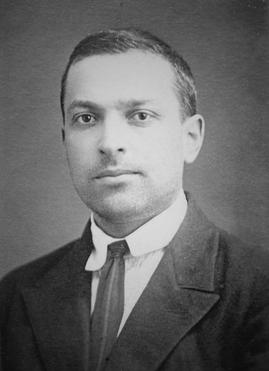
Lev Vygotsky was a Russian and Soviet psychologist who made significant contributions to our understanding of children's psychological development, particularly through his cultural-historical activity theory.
Select reading age
Lev Vygotsky Facts For Kids
Videos & Quizzesincluded

About this topic
Lev Semyonovich Vygotsky was a brilliant psychologist from Russia, born on November 17, 1896. He loved learning about how children think and grow! 🌱Vygotsky believed that kids learn best when they interact with others, like friends or teachers. His ideas help us understand how important our surroundings are to our learning. He passed away at a young age, just 37, but his ideas are still super important today! 🌍Vygotsky's work is used globally, helping teachers and parents recognize that learning is a social adventure. So, let’s dive into his life and important ideas!
Explore with ChatDinoKey Points
Lev Vygotsky was born in a city called Orsha, which is in Belarus, but it was part of Russia when he was born.
Scaffolding is a concept from Vygotsky that helps kids learn step by step, like building a tall tower!
Vygotsky developed several important theories about how children learn.
Vygotsky's ideas have made a huge impact on education!
Vygotsky's legacy is all about understanding how we grow and learn together!
While many love Vygotsky's ideas, some have different opinions.
Social Constructivism is an idea from Vygotsky that focuses on how social interactions help us learn.
Vygotsky's Cultural-Historical Theory explains how culture and history shape our learning!
The Zone of Proximal Development (ZPD) is a special zone that shows what a child can do alone and what they can do with help.
🎉 Biography
Lev Vygotsky was born in a city called Orsha, which is in Belarus, but it was part of Russia when he was born. 🎉He studied law and then switched to psychology, which is the study of the mind. Vygotsky loved reading and learning about other cultures. In 1924, he published his first book, talking about how children learn. However, due to political issues in the Soviet Union, he always faced challenges in sharing his ideas. He believed in the power of play and conversation to help children learn, making him a pioneer in education! 📚
Go deeper🏰 Scaffolding
Scaffolding is a concept from Vygotsky that helps kids learn step by step, like building a tall tower! 🏰Just like scaffolding supports a building while it's being built, teachers provide support while children learn. For example, if you're learning math, the teacher might start with easy problems and slowly make them harder. They give hints and help when you get stuck. As you become more confident, the teacher removes support so you can do it on your own! This way, you become a strong learner, able to reach new heights! 🎈
Go deeper🚀 Key Theories
Vygotsky developed several important theories about how children learn. One key idea is that kids learn better when they're with others. 🚀He also thought that language plays a huge role in thinking. He said that talking things through helps kids understand tricky concepts. Vygotsky introduced the idea of the "zone of proximal development," which shows that children learn best when they’re just a bit challenged. This means teachers and friends can help guide them! All of these ideas changed how educators teach kids everywhere! 🌈
Go deeper🎓 Impact On Education
Vygotsky's ideas have made a huge impact on education! 🎓Teachers today use his theories to create engaging, interactive classrooms where everyone can learn together. They focus on teamwork, conversations, and activities that challenge students just enough. His work has inspired new teaching styles that embrace creativity and collaboration! 🌈Children are encouraged to ask questions, share ideas, and help each other, making learning a fun adventure. Vygotsky's legacy is all about making sure learning is social, supportive, and exciting for everyone!
Go deeper🌟 Legacy And Influence
Vygotsky's legacy is all about understanding how we grow and learn together! 🌟Schools around the world use his theories even today, teaching children to work with others and explore new ideas. His thoughts on the importance of culture, language, and social interactions shaped modern education and helped many students succeed! Teachers and parents continue to find ways to implement his ideas in fun ways. Vygotsky will always be remembered as a great thinker who made learning a shared adventure for everyone! 🎉
Go deeper🤔 Critiques And Debates
While many love Vygotsky's ideas, some have different opinions. 🤔Some people think he didn't give enough importance to individual learning styles. They argue that not everyone learns the same way, and that children can learn alone too. Others wonder if his theories apply to every culture and if they can fit into modern classroom settings. Despite the debates, Vygotsky’s influence continues to be very strong, and it encourages educators to think critically about teaching methods. Discussions about his ideas help improve education for all kids! ✏️
Go deeper👩🤝👨 Social Constructivism
Social Constructivism is an idea from Vygotsky that focuses on how social interactions help us learn. He said that kids learn better when they talk to friends and share ideas! 👩🤝👨 For example, when you work together on a project, you can learn from each other and understand things better. Vygotsky believed that knowledge isn't just in books; it grows with conversations and teamwork! This way of learning encourages cooperation, friendships, and creativity. 🌟Working together helps make learning more fun and exciting!
Go deeper🌍 Cultural-historical Theory
Vygotsky's Cultural-Historical Theory explains how culture and history shape our learning! 🌍Each culture has its own tools, language, and traditions that influence how we think and learn. For example, children in different parts of the world might learn about their culture, values, and beliefs from their parents and communities. This theory shows how important it is to understand where we come from and how it affects our minds. Vygotsky believed that our brains grow in connection with our experiences, and that’s a big part of becoming who we are! 🌟
Go deeper🧩 Zone Of Proximal Development
The Zone of Proximal Development (ZPD) is a special zone that shows what a child can do alone and what they can do with help. 🧩Imagine you're trying to reach a cookie jar on a high shelf. If you can reach it alone, that's your level! But if you need a friend to give you a boost, that’s your ZPD! Vygotsky believed that teachers and friends should help kids reach their ZPD to learn new things. 🌟By using this method, teachers create activities that are just challenging enough to help kids grow and learn through support!
Go deeper