Lesser Caucasus Facts For Kids
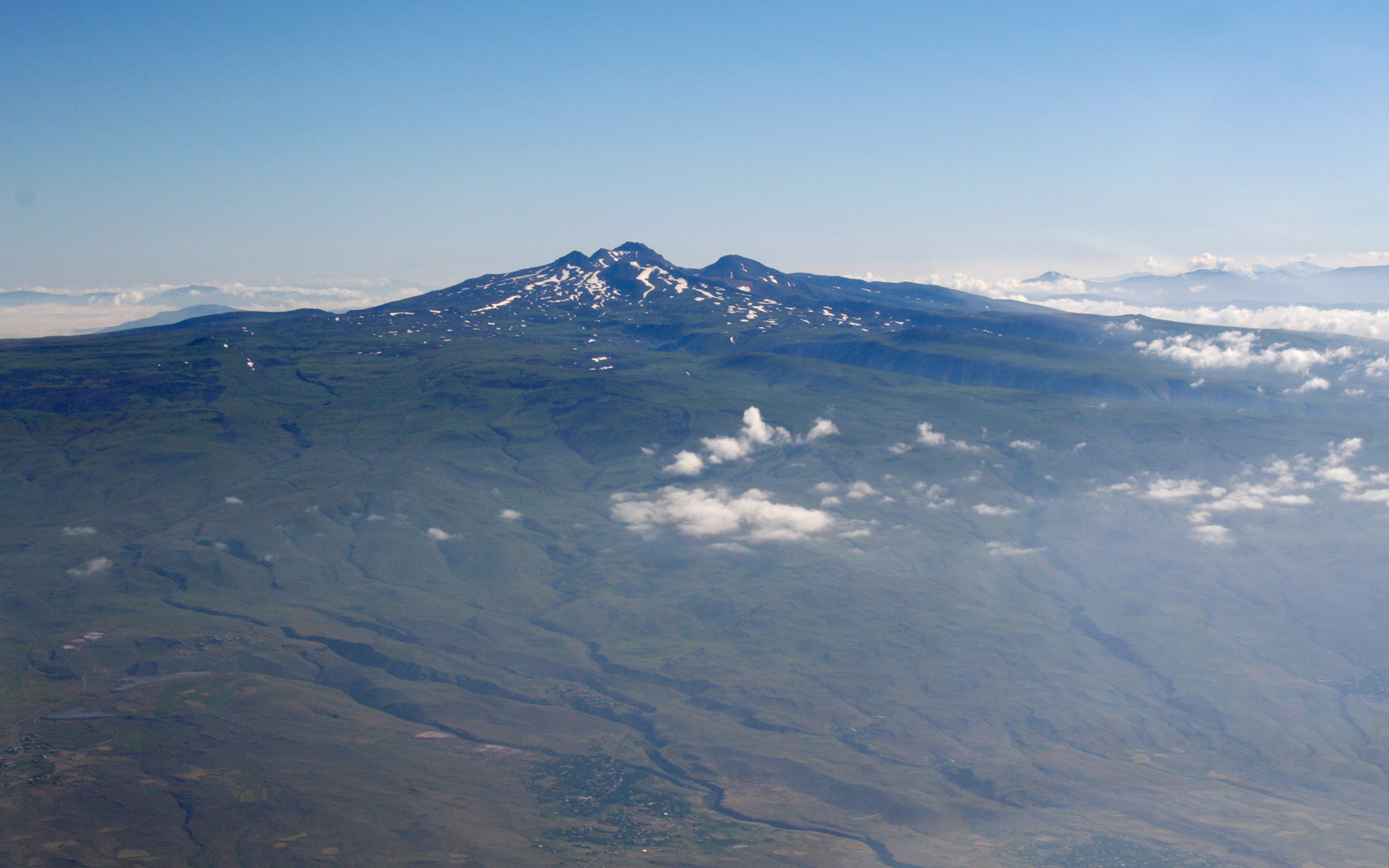
The Lesser Caucasus, also known as Caucasus Minor, is a 600 km mountain range in Armenia, Georgia, and Azerbaijan, known for its stunning landscapes, rich biodiversity, and cultural significance.
Select reading age
Lesser Caucasus Facts For Kids
Videos & Quizzesincluded
About this topic
The Lesser Caucasus Mountains, also known as Caucasus Minor, are a beautiful mountain range in the region of Transcaucasia. 🌄They stretch about 600 kilometers (373 miles) long! The range includes countries like Armenia, Georgia, and Azerbaijan. Many people enjoy these majestic mountains for various reasons, including hiking and looking at nature! 🥾🌲 The Lesser Caucasus is full of unique plants and animals and has a rich history that makes it special for everyone!
Explore with ChatDinoKey Points
The Lesser Caucasus Mountains are home to diverse plants and animals.
When visiting the Lesser Caucasus, there are some fun landmarks to explore!
Throughout history, the Lesser Caucasus Mountains have seen many events!
The Lesser Caucasus Mountains were formed millions of years ago through tectonic activity.
The Lesser Caucasus Mountains hold great cultural importance!
The Lesser Caucasus Mountains are located in the southwestern part of Asia, mainly in the countries of Armenia and Georgia.
The Lesser Caucasus Mountains are filled with intriguing myths and legends!
The climate in the Lesser Caucasus is quite diverse!
The Lesser Caucasus Mountains are a fabulous place for outdoor activities!
To protect the wonderful nature in the Lesser Caucasus, some areas are designated as national parks and reserves!
Photos of Lesser Caucasus

Satellite image of the Caucasus, from NASA’s Visible Earth
🌼 Flora And Fauna
The Lesser Caucasus Mountains are home to diverse plants and animals. 🌼🌳 There are over 1,500 plant species, many of which grow only in this area! Some of the common plants are mountain herbs, wildflowers, and even trees like oaks. 🐻Wild animals like the Caucasian goat, wolves, and bears live here, too! 🦉Many birds, like golden eagles, can be spotted soaring through the sky. Conservationists work hard to protect these unique species and their habitats in the mountains!
Go deeper🏰 Nearby Landmarks
When visiting the Lesser Caucasus, there are some fun landmarks to explore! 🏰One famous place is the ancient Noravank Monastery, set against stunning cliffs in Armenia. Another notable site is Lake Sevan, a beautiful high-altitude lake just a short drive away! 🚗If you love history, don’t miss Kachkar stones, important Armenian artifacts! 🌊These cultural landmarks offer a glimpse into the past and are perfect for family adventures!
Go deeper🏰 Historical Events
Throughout history, the Lesser Caucasus Mountains have seen many events! 🏰From ancient tribes to modern times, people have lived in and around these mountains for thousands of years. They were important for trade and travel between Europe and Asia. The area has been affected by conflicts and battles, including during the time of the Persian Empire and the Soviet Union. 📜Today, the mountains are a peaceful place loved by many!
Go deeper🧗♂️ Geological Formation
The Lesser Caucasus Mountains were formed millions of years ago through tectonic activity. 🧗♂️ Tectonic plates are giant slabs of Earth that move around! When they collide, they can push the land upwards and create mountains. The Lesser Caucasus began forming in the Tertiary period, around 65 million years ago. 🌍Over time, erosion from wind and water shaped the mountains we see today. That's why they have interesting valleys and rocky peaks! Geologists study these mountains to understand Earth’s history better!
Go deeper🏔️ Cultural Significance
The Lesser Caucasus Mountains hold great cultural importance! 🏔️ They are rich in history, folklore, and traditions. People from Armenia, Georgia, and Azerbaijan consider these mountains special; they are featured in many stories and songs! 🎶The mountains are often seen as symbols of national pride and identity. Festivals celebrating local customs take place in various villages, showcasing traditional dances, music, and food! 🍽️ The mountains have inspired artists and writers for centuries!
Go deeper🗺️ Geography And Location
The Lesser Caucasus Mountains are located in the southwestern part of Asia, mainly in the countries of Armenia and Georgia. 🗺️ They sit between the bigger Greater Caucasus Mountains to the north and the plains of the Ararat Valley to the south. The mountains are known for stunning landscapes, including deep valleys, cliffs, and sparkling lakes! 🌊You can find Mount Ararat nearby, which is an important symbol for Armenia. The peaks mostly reach up to 2,500 meters (8,200 feet) high!
Go deeper🐉 Local Myths And Legends
The Lesser Caucasus Mountains are filled with intriguing myths and legends! 🐉One story tells of mythical creatures called "Ajdaha" that guard hidden treasures in the mountains. People also believe that the mountains are home to ancient spirits. 🌌Local tales often involve brave heroes who protect their villages from danger. These stories have been passed down for generations and continue to inspire imaginations! 📖Exploring the mountains means discovering these fascinating traditions!
Go deeper🌦️ Climate And Weather Patterns
The climate in the Lesser Caucasus is quite diverse! 🌦️ In the lower areas, it can be warm and humid, while the higher mountain peaks are cold with lots of snow. The region has four seasons: spring, summer, autumn, and winter. 🌸❄️ Summer temperatures can reach 30°C (86°F), while winter can drop to -10°C (14°F)! This means you can enjoy both sunny days and snowy adventures in the mountains! Rainfall is also common, especially in spring and autumn. ☔️
Go deeper🌄 Outdoor Activities And Tourism
The Lesser Caucasus Mountains are a fabulous place for outdoor activities! 🌄People visit to hike, bike, and go horseback riding. Many trails take you to stunning views, making it an adventure for everyone! 🥾You can even try skiing and snowboarding in winter! ☃️ Tourists love exploring the beautiful landscape and learning about local culture. Summer events, like mountain festivals, bring people together to celebrate fun activities! 🎉It's an exciting destination!
Go deeper🌳 Protected Areas And Conservation
To protect the wonderful nature in the Lesser Caucasus, some areas are designated as national parks and reserves! 🌳These protected areas help safeguard unique plants and animals. For instance, the Dilijan National Park in Armenia preserves forests and wildlife habitats. 🦊Conservation efforts also focus on studying the best ways to keep the environment safe. Community groups work together to educate everyone on the importance of preserving these beautiful mountains!
Go deeper