Lena River Facts For Kids
The Lena River, located in Siberia, Russia, is one of the longest rivers in the world, serving as a vital natural resource and transportation route.
Select reading age
Lena River Facts For Kids
Videos & Quizzesincluded
About this topic
The Lena River is one of the longest rivers in the world! 🌎It is about 4,400 kilometers (2,736 miles) long, flowing across northeastern Siberia in Russia. This mighty river starts in the Baikal Mountains and flows northward into the Arctic Ocean. The Lena is important for its beautiful scenery and the rich ecosystems it supports. 🦆It has many tributaries, like the Vitim and Aldan rivers, which join it along its journey. Native people and animals depend on the river for their lives!
Explore with ChatDinoQuick Facts
Key Points
The Lena River has a rich history!
Tourists love exploring the Lena River!
The Lena River is home to many amazing plants and animals!
The Lena River plays a vital role in Russia's economy!
Many groups work hard to protect the Lena River and its natural beauty!
Like many rivers, the Lena faces environmental challenges.
The Lena River is significant to many people!
The Lena River flows through an area called Siberia, which is in Russia.
Photos of Lena River

Lena River — photo 1

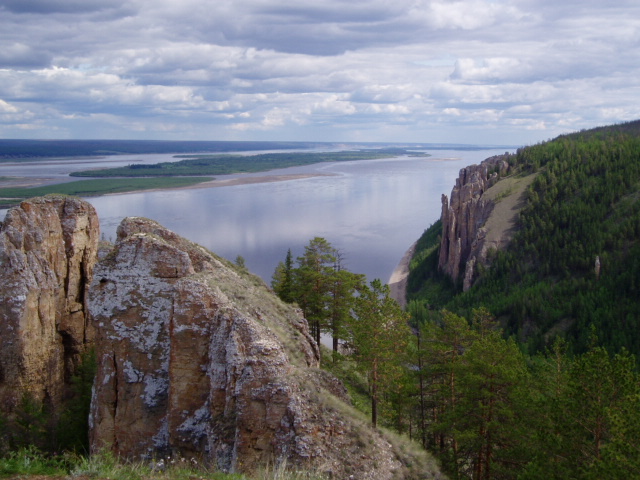
The lower course of the Lena River in Siberia.

The upper course of the Lena River in Siberia.

The river around 1890

Lena River Delta in Autumn 2014

Lena river Delta by Landsat, February 2000
🚢 History
The Lena River has a rich history! 🚢Indigenous peoples, like the Sakha, have lived along its banks for centuries. In the 1600s, Russian explorers traveled the Lena to discover new lands. The river became a trade route, connecting Siberian towns to other parts of Russia. ⚓In the late 1800s, the Lena became famous for its gold rush when many people sought fortune. Today, it tells the story of the culture and history of the people who call it home! 🏞️
Go deeper🚣♀️ Tourism
Tourists love exploring the Lena River! 🚣♀️ People visit to admire breathtaking views, hike in nature, and learn about the area’s culture. Many hope to catch a glimpse of unique wildlife or go fishing. The river is also popular for rafting and canoeing adventures! 🌊In winter, visitors can experience the stunning ice formations and snow activities. Hiking trails, historical sites, and Indigenous experiences await, making the Lena a fantastic place to visit! 🏔️
Go deeper🐻 Flora And Fauna
The Lena River is home to many amazing plants and animals! 🐻Along its banks, you can find forests filled with trees like birch and pine. In the summer, wildflowers bloom everywhere! 🌼The river is also home to unique animals, such as the Siberian tiger, moose, and beavers. Fish like the taimen and salmon swim in its waters. 🐟The Lena and its surroundings provide food and shelter to many creatures, making it an essential habitat!
Go deeper💰 Economic Importance
The Lena River plays a vital role in Russia's economy! 💰It serves as a transportation route for moving goods like timber, fish, and minerals. Ships carry products along the river, helping many businesses grow. The Lena's waters are rich in fish, providing food for people and jobs for fishermen. 🎣In addition, the river's nearby areas have mineral resources, which are essential for industry. The economic activities surrounding the Lena benefit many communities and help them thrive! 🌟
Go deeper🛡️ Conservation Efforts
Many groups work hard to protect the Lena River and its natural beauty! 🛡️ Environmental organizations, local communities, and the government are joining forces to keep the river clean. They conduct projects to reduce pollution and educate people about respecting the ecosystem. 🌍Efforts are being made to promote responsible tourism and sustainable fishing practices. Together, they aim to ensure the Lena River remains a vibrant and healthy habitat for all its creatures! 🌿
Go deeper🌧️ Environmental Issues
Like many rivers, the Lena faces environmental challenges. 🌧️ Pollution from industrial activities and cities can harm its water quality. Waste from factories and boats can affect fish and other animals living in the river. Climate change is also a concern, as it leads to rising temperatures, melting permafrost, and changes in wildlife patterns. ❗Protecting the Lena River is essential to keeping its ecosystem healthy for future generations! 🌱
Go deeper🎉 Cultural Significance
The Lena River is significant to many people! 🎉It holds special importance for the indigenous Sakha people, who have lived in harmony with the river for generations. They celebrate festivals that honor the river and its gifts, like fishing and hunting. The Lena is often featured in stories, songs, and art, showing its cultural impact. 🎨The river even has myths and legends surrounding it, making it a special part of local traditions and history! 📚
Go deeper🗺️ Geography And Location
The Lena River flows through an area called Siberia, which is in Russia. 🗺️ The river passes through many regions like Yakutia and the Far East of Russia. Its source can be found near Lake Baikal, one of the largest freshwater lakes in the world. 🌊The river winds through forests, tundras, and mountains, creating a mixed landscape. One of its famous cities is Yakutsk, which is one of the coldest cities on Earth! Brrr! ❄️
Go deeper