Leaellynasaura Facts For Kids
Leaellynasaura is a small, herbivorous dinosaur from the Early Cretaceous, notable for its beak and large eyes, found in Australia.
Select reading age
Leaellynasaura Facts For Kids
Videos & Quizzesincluded
About this topic
Leaellynasaura is a small dinosaur that lived around 110 million years ago during the Early Cretaceous period! 🦖This amazing creature was discovered in Australia, specifically in a region known as Victoria. Leaellynasaura was a herbivore, meaning it only ate plants. It was about the size of a dog, growing up to 2 meters (6.5 feet) long! Its name means "Leaellyn’s lizard," named after a girl named Leaellyn, who helped with the discovery. Isn’t that cool? 🌿
Explore with ChatDinoKey Points
Leaellynasaura roamed the ancient forests of what is now Australia.
Leaellynasaura had unique features that made it stand out!
Leaellynasaura was a herbivore, which means it ate only plants!
Leaellynasaura was a social dinosaur!
Fossils of Leaellynasaura were first discovered in the early 1980s in Australia.
Paleontologists study extinct creatures like Leaellynasaura by examining fossils.
When comparing Leaellynasaura to other dinosaurs, we see some interesting differences!
Leaellynasaura may not be as famous as T. rex, but it has captured the imagination of many people!
Photos of Leaellynasaura

Partial long tailed ornithopod skeleton originally attributed to Leaellynasaura

Skull attributed to Leaellynasaura

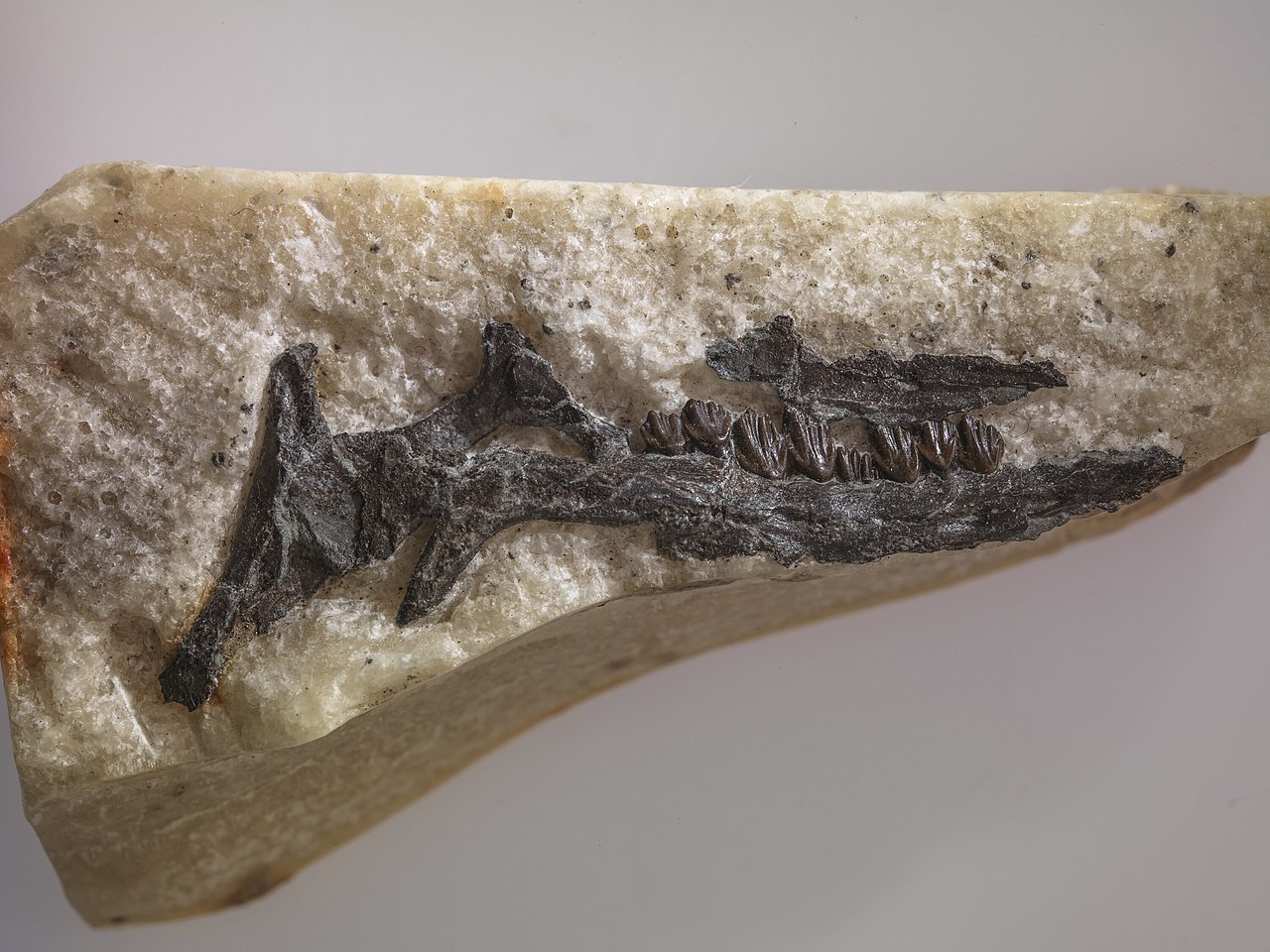
Fossils

Reconstruction depicting Leaellynasaura with hypothetical scaly skin

Restoration of three Leaellynasaura with hypothetical protofeathers
🌏 Habitat And Distribution
Leaellynasaura roamed the ancient forests of what is now Australia. 🌏Its habitat was lush and full of ferns, bushes, and trees. Australia was warmer back then, and dinosaurs thrived in these green environments. Leaellynasaura lived in herds, which gave them safety from larger meat-eating dinosaurs. These herds provided companionship and made finding food easier. Over time, fossils of Leaellynasaura were found in different parts of Australia, helping scientists learn more about its life. 🦕
Go deeper👀 Physical Characteristics
Leaellynasaura had unique features that made it stand out! It had large eyes, which scientists believe helped it see well in the dark. 👀This dinosaur was bipedal, meaning it walked on two legs. Its body was light and nimble, allowing it to run quickly away from predators. Leaellynasaura also had a beak-like mouth that was great for munching on plants. 🌱Its arms were short with three fingers, perfect for grabbing leaves and berries!
Go deeper🌿 Diet And Feeding Behavior
Leaellynasaura was a herbivore, which means it ate only plants! 🌿It feasted on leaves, flowers, and fruit found in its lush forest habitat. With its beak-like mouth and sharp teeth, it could easily munch on tough plant material. Leaellynasaura likely used its strong legs to move around quickly, searching for the tastiest greens. 🥬This dinosaur probably spent most of its day eating and moving about in full herds, ensuring they always had plenty of food to munch.
Go deeper🦖 Behavior And Social Structure
Leaellynasaura was a social dinosaur! 🦖It lived in groups called herds, which provided protection from predators like larger dinosaurs. Being in a herd made it easier to find food and keep a lookout for danger. They likely communicated with each other using sounds and body language. 🐾In a herd, they might have even played games or helped each other keep safe. This social behavior is similar to some animals we see today, like elephants and deer!
Go deeper🐣 Fossil Discovery And Significance
Fossils of Leaellynasaura were first discovered in the early 1980s in Australia. 🐣These fossils include parts of its skull, teeth, and bones, which have helped scientists understand how this dinosaur lived. The discovery of Leaellynasaura is significant because it gives us clues about the variety of dinosaurs that roamed Australia. It was one of the first dinosaurs found in this area, helping paleontologists learn more about Australia's prehistoric ecosystem. 🦴
Go deeper🦖 Paleontological Research And Findings
Paleontologists study extinct creatures like Leaellynasaura by examining fossils. 🦖Fossils tell us about how these dinosaurs lived and what they looked like. Many important findings about Leaellynasaura came from excavations in Australia, where layers of dirt and rock were removed carefully. Researchers used tools to uncover bones and analyze their structure. The discoveries helped create a clearer picture of the dinosaur's lifestyle, including its diet, social behavior, and environment. 📚
Go deeper🦕 Comparative Analysis With Other Dinosaurs
When comparing Leaellynasaura to other dinosaurs, we see some interesting differences! 🦕Unlike the massive T. rex, which was a carnivore and ate meat, Leaellynasaura was small and enjoyed a plant-based diet. Another dinosaur, the Iguanodon, also ate plants but was much larger and had different features. Leaellynasaura's large eyes set it apart, showing it might have adapted to life in dense forests where vision was essential. 🌳Its unique characteristics make it special in the world of dinosaurs!
Go deeper🎬 Cultural Impact And Representation In Media
Leaellynasaura may not be as famous as T. rex, but it has captured the imagination of many people! 🎬You can find this little dinosaur in some documentaries and children's books about ancient life. Its unique features and cute appearance make it exciting to learn about! 🌟In Australia, Leaellynasaura is celebrated as part of the country’s natural history, inspiring young scientists and dinosaur fans everywhere to imagine what dinosaurs like it may have looked like when they roamed the Earth!
Go deeper