Lascaux Cave Paintings Facts For Kids
The Lascaux cave paintings represent a significant cultural achievement, shedding light on the artistic and spiritual practices of early humans during the Upper Paleolithic era.
Select reading age
Lascaux Cave Paintings Facts For Kids
Videos & Quizzesincluded
About this topic
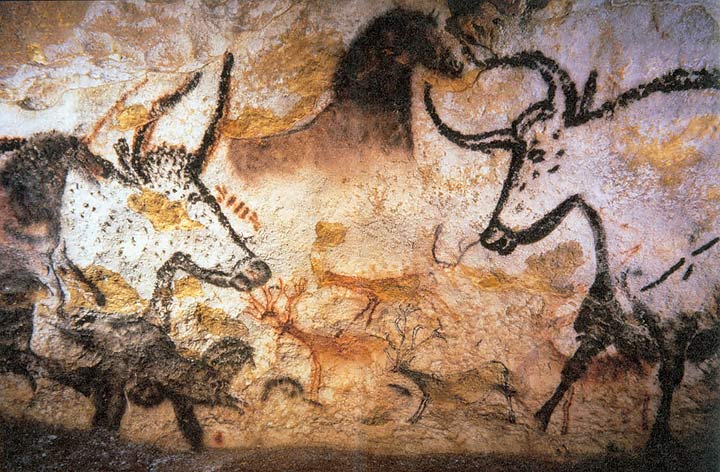
The Lascaux Cave paintings are some of the oldest and most famous artworks in the world! 🖼️ Discovered in France in 1940, these beautiful images were created by prehistoric people around 17,000 years ago. The cave is located in the Dordogne region, a forested area filled with amazing history. The artwork includes over 600 animals, like horses 🐴, deer 🦌, and bulls 🐂, all painted on the cave walls. This makes Lascaux a very special place where we can learn how early humans lived and what they found important. These paintings tell us stories from thousands of years ago!
Explore with ChatDinoKey Points
The Lascaux Cave painters used natural pigments to create their art.
If you want to see the Lascaux Cave and its amazing paintings, it's in Montignac, France!
The Lascaux Cave paintings have greatly influenced modern artists!
Preserving the Lascaux Cave is vital to protect its incredible artworks!
The Lascaux Cave paintings provide a window into the lives of early humans.
In September 1940, four teenagers found Lascaux Cave while exploring in the woods near Montignac, France.
The Lascaux Cave paintings show over 600 animals, mostly real ones that lived during that time.
Many people believe the Lascaux Cave paintings have special meanings.
Photos of Lascaux Cave Paintings

Modern entrance to the Lascaux cave

Part of Lascaux IV

Reproduction of Lascaux artwork in Lascaux II

Irish elk (Megaloceros giganteus) with line of dots

Cave painting of a dun horse (Equus ferus) at Lascaux
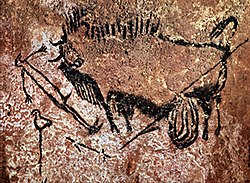
The famous shaft scene of Lascaux: a man with a bird head and a bison

The conservation room at Lascaux
🌈 Artistic Techniques
The Lascaux Cave painters used natural pigments to create their art. They made colors from minerals, plants, and animal blood! 🌈For example, they used ochre for reddish colors and charcoal for black. To apply the colors, they used their fingers, brushes made from animal hair, or even blowing paint through hollow bones. 🎨The paintings have impressive details, showing the animals in motion, which makes them look alive! Some images are more than 11 feet long! The techniques these artists used were creative and skillful, showing their deep connection with the world around them. 🖌️
Go deeper🏞️ Visitor Information
If you want to see the Lascaux Cave and its amazing paintings, it's in Montignac, France! 🇫🇷 While you can’t visit the original cave, you can check out Lascaux IV, a beautiful replica created to resemble the real cave. 🏞️ The replica includes many of the stunning paintings and gives visitors a chance to learn and explore in a safe environment. Guided tours are available, where you can learn more about the incredible history, techniques, and impact of Lascaux art. 📅Planning a visit is a fun adventure for families who want to step back in time and explore prehistoric culture!
Go deeper🎨 Impact On Modern Art
The Lascaux Cave paintings have greatly influenced modern artists! 🎨Artists around the world study the cave to learn about early human creativity and techniques. The use of color, form, and image composition seen in Lascaux can be found in many contemporary art styles, such as abstract art and murals. 🎥The idea of expressing stories through images continues to inspire artists today. The paintings remind us that art is an essential way to communicate and share our experiences, no matter the time or place! Lascaux's lasting impact shows that creativity has always been a part of being human!
Go deeper🌟 Preservation Efforts
Preserving the Lascaux Cave is vital to protect its incredible artworks! 🌟After its discovery, many people visited the cave, which caused damage to the paintings. In 1963, the cave was closed to the public to prevent further harm. Scientists use advanced technology to study and monitor the paintings. They are working hard to keep the colors bright and the images intact for future generations. A replica of the cave, called Lascaux II, opened nearby so visitors can enjoy the beauty of the art without damaging the original site. 🏛️
Go deeper🕵️♂️ Cultural Significance
The Lascaux Cave paintings provide a window into the lives of early humans. 🕵️♂️ They show how people interacted with animals and the environment around them. This art plays an essential role in understanding our ancestors' cultures, beliefs, and practices. The cave has inspired artists and historians for thousands of years! 🎭Through the paintings, we learn not just about survival, but also about creativity and expression in ancient societies. Just like today, storytelling and art were essential to share experiences and values, helping shape the cultures that came after them!
Go deeper🌳 Discovery And History
In September 1940, four teenagers found Lascaux Cave while exploring in the woods near Montignac, France. 🌳They noticed the cave's entrance and discovered the stunning paintings inside. Since then, many researchers have studied the cave to understand who created these artworks. The people who made them are called Cro-Magnons, early humans who lived in Europe during the Upper Paleolithic period. This cave helped us learn about their daily lives, their surroundings, and what animals they hunted for food. The art was so important that it became a UNESCO World Heritage site in 1979! 🌍
Go deeper🤩 Types Of Animals Depicted
The Lascaux Cave paintings show over 600 animals, mostly real ones that lived during that time. 🤩You'll see horses, deer, and bison, as well as many other creatures. 🦓Interestingly, some animals like the woolly mammoth and the saber-toothed tiger were already extinct when the paintings were made. The artists depicted these animals with great detail, which shows their knowledge of the animals' behavior and anatomy. 🐅Not only were these animals important for food, but they also held cultural significance in their lives. These artworks help us understand the connections early humans had with their environment!
Go deeper🏹 Symbolism And Interpretation
Many people believe the Lascaux Cave paintings have special meanings. Some scientists think they represent hunting magic, showing the importance of hunting in prehistoric life. 🏹Others believe the images are a form of storytelling or spiritual beliefs. Certain animals, like the aurochs (a type of wild cow), might symbolize strength and courage. 🐮Others think the artwork may have been used in rituals or celebrations! The beautiful colors and dynamic scenes capture the imagination, making us wonder what these early humans believed and how they viewed their world. ❤️
Go deeper