All Articles

Land Of Punt

Land Of Punt Facts For Kids

The Land of Punt was an ancient and mysterious kingdom known for its wealth and exotic goods, frequently mentioned in ancient Egyptian trade records.

🎨 Reading age for 6-8
Background blob
Land Of Punt
Land Of Punt
Facts for Kids!

Do more with AI

Introduction

The Land of Punt 🌍, often called the "Land of Gods," was a mysterious and ancient kingdom that existed thousands of years ago! It was famous for its valuable trade products, including gold, resin, and exotic animals. The ancient Egyptians loved traveling to Punt because they could exchange goods and learn about new cultures. Punt appears in stories and records, especially during the reign of Queen Hatshepsut around 1492 BCE. Although its exact location remains a mystery, Punt's wealth made it an important part of ancient Egyptian life! 🏺💰

Images of Land Of Punt

A landscape of Punt, showing several houses on stilts, two fruiting date palms, three myrrh trees, a bird (Hedydipna metallica), a cow, an unidentified fish and a turtle, in water which in the original was green to show that it is salt or tidal,[14] in a sketch from the walls of the mortuary temple of Hatshepsut at Deir el-Bahri, depicting a royal expedition to Punt

A landscape of Punt, showing several houses on stilts, two fruiting date palms, three myrrh trees, a bird (Hedydipna metallica), a cow, an unidentified fish and a turtle, in water which in the original was green to show that it is salt or tidal,[14] in a sketch from the walls of the mortuary temple of Hatshepsut at Deir el-Bahri, depicting a royal expedition to Punt

A tree in front of Hatshepsut's temple, claimed to have been brought from Punt by Hatshepsut's Expedition, which is depicted on the Temple wallsImage by Edal Anton Lefterov, licensed under Creative Commons Attribution-Share Alike 3.0

A tree in front of Hatshepsut's temple, claimed to have been brought from Punt by Hatshepsut's Expedition, which is depicted on the Temple walls

Egyptian soldiers from Hatshepsut's expedition to the Land of Punt as depicted from her temple at Deir el-BahriImage by Σταύρος, licensed under Creative Commons Attribution 2.0

Egyptian soldiers from Hatshepsut's expedition to the Land of Punt as depicted from her temple at Deir el-Bahri

This relief depicts incense and myrrh trees obtained by Hatshepsut's expedition to PuntImage by Hans Bernhard ( Schnobby ), licensed under Creative Commons Attribution-Share Alike 3.0

This relief depicts incense and myrrh trees obtained by Hatshepsut's expedition to Punt

Supposed location around the Red Sea and major travel routes by land and sea

Supposed location around the Red Sea and major travel routes by land and sea

Photos of Land Of Punt
Detail of a relief wall depicting Puntite huts
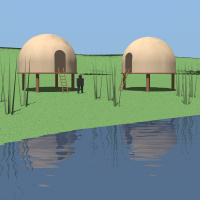
Detail of a relief wall depicting Puntite huts

Punthouse02

Punthouse02

A landscape of Punt, showing several houses on stilts, two fruiting date palms, three myrrh trees, a bird (Hedydipna metallica), a cow, an unidentified fish and a turtle, in water which in the original was green to show that it is salt or tidal,[14] in a sketch from the walls of the mortuary temple of Hatshepsut at Deir el-Bahri, depicting a royal expedition to Punt

A landscape of Punt, showing several houses on stilts, two fruiting date palms, three myrrh trees, a bird (Hedydipna metallica), a cow, an unidentified fish and a turtle, in water which in the original was green to show that it is salt or tidal,[14] in a sketch from the walls of the mortuary temple of Hatshepsut at Deir el-Bahri, depicting a royal expedition to Punt

A tree in front of Hatshepsut's temple, claimed to have been brought from Punt by Hatshepsut's Expedition, which is depicted on the Temple wallsImage by Edal Anton Lefterov, licensed under Creative Commons Attribution-Share Alike 3.0

A tree in front of Hatshepsut's temple, claimed to have been brought from Punt by Hatshepsut's Expedition, which is depicted on the Temple walls

Egyptian soldiers from Hatshepsut's expedition to the Land of Punt as depicted from her temple at Deir el-BahriImage by Σταύρος, licensed under Creative Commons Attribution 2.0

Egyptian soldiers from Hatshepsut's expedition to the Land of Punt as depicted from her temple at Deir el-Bahri

This relief depicts incense and myrrh trees obtained by Hatshepsut's expedition to PuntImage by Hans Bernhard ( Schnobby ), licensed under Creative Commons Attribution-Share Alike 3.0

This relief depicts incense and myrrh trees obtained by Hatshepsut's expedition to Punt

Supposed location around the Red Sea and major travel routes by land and sea

Supposed location around the Red Sea and major travel routes by land and sea

Photos of Land Of PuntImage by Unknown author, licensed under Creative Commons Attribution-Share Alike 2.5
Photos of Land Of Punt
Detail of a relief wall depicting Puntite huts

Detail of a relief wall depicting Puntite huts

Punthouse02

Punthouse02

Natural Resources

The Land of Punt was rich in natural resources, which made it a treasure for the ancient Egyptians! 🌲It was famous for myrrh trees, from which myrrh was extracted—a valuable substance used for perfumes and rituals. Punt was also known for its precious gold and unique exotic animals, like baboons and elephants! 🐘These resources were not only used for trade but also played a crucial role in religious ceremonies and burial practices in ancient Egypt. The abundance of these valuable goods showcased Punt's importance to its neighboring civilizations!

Trade And Economy

Trade was super important for both the Land of Punt and ancient Egypt! 🤝The Egyptians exchanged goods like linen, papyrus, and jewelry for Punt's treasures such as gold, exotic animals, and valuable resins. The Egyptian records show that many large ships sailed from Egypt to Punt, showcasing how this trade route was very busy! 📦The Lush Land of Punt provided materials that helped build temples and create beautiful jewelry. This strong economic relationship helped both regions grow in wealth and prosperity.

Culture And Society

The people of the Land of Punt were known for their amazing craftsmanship and unique culture. 🎭They are often depicted in Egyptian artwork as wearing colorful clothes and using handmade tools. They would trade items like gold and incense, which were highly prized in ancient Egypt. The photos carved on temple walls show sun boats and people dancing, suggesting they had vibrant celebrations and festivals! 🥳Although we don't know precisely what Punt was like, it's clear that the people had a fascinating and rich way of life.

Mythology And Legacy

In ancient Egyptian mythology, the Land of Punt was seen as a paradise! ✨Legends told of vibrant landscapes, beautiful animals, and friendly people. It was believed that the gods lived in Punt, making it even more magical to those who heard stories about the land. This influence continues today, as Punt represents trade, love for adventure, and the pursuit of knowledge in ancient times. Its legacy reminds us of the importance of exploration and understanding different cultures! 🌟

Geographical Location

The exact place where the Land of Punt was located is still a mystery! Some believe it was found in East Africa, near today’s Somalia 🌅, while others think it could be in the regions of Kenya or even the Arabian Peninsula. The ancient Egyptians depicted Punt's location as a beautiful land with lush trees and big animals, but we don’t know precisely where it was! What we do know is that it was located to the east of Egypt across the Red Sea 🌊, making it an important trading partner for the Egyptians.

Historical Significance

The Land of Punt is essential to understand Egypt's history. During Queen Hatshepsut's reign in the 15th century BCE, she led an impressive trade expedition to Punt! ⛵This journey is shown in colorful carvings at Hatshepsut's temple in Luxor, Egypt. The Egyptians brought back amazing goods, such as myrrh trees, animals like monkeys and giraffes, and materials to make perfumes. This trade brought wealth and opportunities for the Egyptians, helping their culture flourish! 🎊

Archaeological Discoveries

Archaeologists have found fascinating clues about the Land of Punt! 🏺For example, in the 19th century, an Egyptian tomb was discovered containing items believed to be from Punt, like valuable gold jewelry and beautiful pottery. Additionally, ancient texts and art that depict Punt are essential for understanding its importance. Some researchers have even found old boat carvings that show the types of ships used to sail to Punt! 🛶These discoveries help us learn more about ancient trade and how the Egyptians linked with this special land.

Relations With Ancient Egypt

The relationship between the Land of Punt and ancient Egypt was friendly and beneficial! 🌞Egyptians would regularly visit Punt to trade and learn from each other. During Queen Hatshepsut's famous expedition, they exchanged gifts and, during celebrations, shared stories about their cultures. The ancient Egyptians considered Punt a land of gods and a place full of riches, which made it very special! The warm friendships between the two cultures showed how important cooperation was in ancient times.

Influence On Ancient Civilizations

The Land of Punt had a significant influence on ancient civilizations! 🌏Trade routes helped connect many regions and allowed different cultures to share ideas and resources. The stories and products from Punt inspired art, religion, and economy in Egypt. It showed the power of cooperation and friendship which helped ancient people thrive. Even today, the intrigue surrounding Punt highlights the importance of trade and cultural exchanges that shape our world and understanding of history! 🤗

Land Of Punt Quiz

Q1
Question 1 of 10

Learn more about Land Of Punt

Ready to create?

Drop Files here
Make

To create a safe space for kid creators worldwide!

Create

Vibe Coding

Kids GPT

All Tools

Kibu

Resources

Worksheets

SafeTube

Blog

FAQ

Account

Pricing

Log-in

Sign-up

Data Deletion

Company

About

Community Guidelines

Privacy Policy

Terms of Service

2025, URSOR LIMITED. All rights reserved. DIY is in no way affiliated with Minecraft™, Mojang, Microsoft, Roblox™ or YouTube. LEGO® is a trademark of the LEGO® Group which does not sponsor, endorse or authorize this website or event. Made with love in San Francisco.