Lake Vostok Facts For Kids
Lake Vostok is the largest of Antarctica's hidden subglacial lakes, located beneath 4 kilometers of ice and isolated for millions of years, making it a unique environment for scientific research.
Select reading age
Lake Vostok Facts For Kids
Videos & Quizzesincluded
About this topic
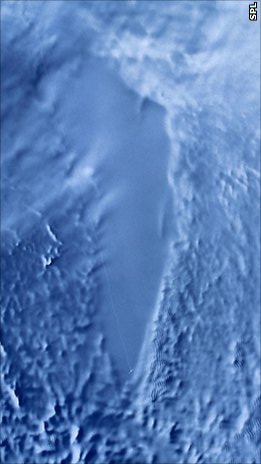
Lake Vostok is the largest of Antarctica's 675 subglacial lakes! 🥶It lies deep beneath a thick layer of ice, stretching about 250 kilometers (155 miles) long and 50 kilometers (31 miles) wide. To give you an idea, that’s longer than the distance from New York City to Philadelphia! This hidden lake is kept warm by the heat from the Earth's core and the pressure from the ice above. Scientists believe that Lake Vostok has been isolated for millions of years, creating a unique, unexplored environment filled with mysteries! 🧊💧
Explore with ChatDinoKey Points
Lake Vostok is like a hidden world!
Lake Vostok is located under Antarctica, the coldest continent on Earth!
Climate change affects Antarctica, including Lake Vostok!
Scientists first discovered Lake Vostok in 1996 when radar technology revealed its existence beneath the thick ice!
The future looks bright for research at Lake Vostok!
One of the most exciting discoveries is the tiny life forms in Lake Vostok!
Drilling into Lake Vostok requires special technology and carefully designed methods!
Research at Lake Vostok is super exciting!
Lake Vostok isn’t the only subglacial lake, but it's the largest!
Photos of Lake Vostok

Location of Lake Vostok in East Antarctica

Vostok Station

Ice cores drilled at Vostok Station, which is seen in the background

An artist's cross-section of Lake Vostok's drilling
🌌 Unique Ecosystem
Lake Vostok is like a hidden world! 🌌Since it has been sealed off from the outside for millions of years, scientists believe it contains unique life forms. 🦠These organisms may have adapted to the cold and dark conditions. Water from the lake is kept liquid by heat from the Earth and pressure from the thick ice above. This ecosystem might be very different from anything we know. Think of it like a secret alien world right here on Earth, full of surprises waiting to be discovered! 👽✨
Go deeper🌍 Geography And Location
Lake Vostok is located under Antarctica, the coldest continent on Earth! 🌍It lies beneath the Russian Vostok Station, which was set up in 1957. The lake is buried under about 4 kilometers (2.5 miles) of ice, making it very difficult to study. Antarctica is known for its stunning icebergs and penguins! 🐧Lake Vostok itself is mostly hidden, but its presence is felt in the icy landscape above. Its remote location adds to its mystery and scientific importance, as fewer people can explore it. ❄️
Go deeper☀️ Impact Of Climate Change
Climate change affects Antarctica, including Lake Vostok! ☀️ As the Earth warms, glaciers melt, and ice sheets may change. This impacts the water levels in subglacial lakes, leading to potential flooding or changes in the water's chemistry. 🌊Scientists are very concerned because this could disturb the delicate ecosystems, altering life forms that exist there. Understanding these changes is essential for protecting not just Lake Vostok, but also our planet's future! 🌎💔
Go deeper📡 Discovery And Exploration
Scientists first discovered Lake Vostok in 1996 when radar technology revealed its existence beneath the thick ice! 📡Explorers had long wondered about hidden lakes in Antarctica, but Lake Vostok was a big surprise! It took years of planning to safely explore the lake without contaminating it. The first successful drilling into the lake happened in 2012. While researchers use special tools to collect water samples, they also aim to learn about life forms that might exist in the extreme environment! 🧪🌊
Go deeper🔮 Future Research Opportunities
The future looks bright for research at Lake Vostok! 🔮As scientists continue to explore the lake, they hope to discover more about its unique ecosystem and the life forms that call it home. 🦠New technologies and better understanding of subglacial lakes will allow for exciting discoveries. Researchers are eager to figure out how these hidden lakes respond to climate change and share their findings, which could help protect our planet. Who knows what discoveries are waiting to be made beneath the ice? 🧊🌏
Go deeper🎉 Microbial Life In Lake Vostok
One of the most exciting discoveries is the tiny life forms in Lake Vostok! 🎉Scientists found special microorganisms that can survive in the extreme cold and darkness of the lake. 🦠These creatures live in a unique environment, and studying them helps us learn how life adapts to harsh conditions. Microbial life found here can give us insights into how life started on Earth and might even help us understand what to look for on other planets! 🌌👽
Go deeper🛠️ Drilling Projects And Techniques
Drilling into Lake Vostok requires special technology and carefully designed methods! 🛠️ Scientists use hot water drilling to melt through the thick ice without letting in any outside contaminants. In the past, they had to ensure that their equipment was super clean! The goal is to collect samples while preserving the unique environment within the lake. This advanced technique allows researchers to learn without harming the hidden life forms. It's like being a doctor for the earth! 🩺💧
Go deeper🌟 Scientific Research And Findings
Research at Lake Vostok is super exciting! 🌟Scientists use advanced techniques to study the lake while keeping it clean. In 2014, researchers discovered tiny life forms called microorganisms in the lake's water. 🦠These microorganisms provide clues about how life could exist in extreme environments, such as on other planets like Europa, one of Jupiter’s moons! Scientists are also studying the lake to learn about Earth's history, especially past climates and ice ages. Each sample helps us understand how unique and resilient life can be! 🔬🔍
Go deeper🎈 Comparison With Other Subglacial Lakes
Lake Vostok isn’t the only subglacial lake, but it's the largest! 🎈Other lakes, like Lake Whillans and Lake Mercer, are smaller and also hidden beneath ice. The main difference is their size and the ecosystems they support. Lake Vostok has been isolated for millions of years, making its life forms very special. Scientists compare these lakes to learn more about how life can thrive in extreme environments and to find out what they can teach us about Earth's history! 🔍💦
Go deeper