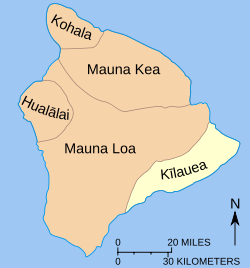
Kīlauea is an active shield volcano in Hawaii known for its frequent eruptions and cultural significance, making it a fascinating natural wonder.

Set reading age
View for Kids
Easy to read and understand
View for Students
Clear, detailed explanations
View for Scholars
Deep dives and big ideas
Kīlauea is a famous volcano located on the Big Island of Hawaii 🌋. It’s one of the most active volcanoes in the world! Kīlauea is a shield volcano, which means it has a gently sloping shape like a warrior’s shield. It is about 4,091 feet (1,247 meters) tall and is part of Hawaii Volcanoes National Park. Although Kīlauea is often erupting, it can also have quiet periods. Since 1983, it has erupted many times, creating new land and beautiful lava formations. Kīlauea is special because it helps scientists learn more about volcanic activity and our planet!
Kīlauea has a long and exciting eruption history! The volcano has been erupting for over 30 years, with lots of action! Its most recent eruption began in December 2020. In 2018, Kīlauea had a spectacular event called a "fissure eruption" where lava erupted from cracks in the ground, creating new land 🏝️. Kīlauea has erupted over 60 times since 1952, with lava flows sometimes reaching the ocean. This continuous activity shows how powerful and dynamic the Earth can be! Scientists study the eruptions carefully to understand why they happen and how they affect the land and people.
Kīlauea’s lava flow patterns are fascinating! When Kīlauea erupts, the lava can flow in different directions 💧. Sometimes it moves slowly, creating broad rivers of lava; other times, it can shoot up into the air like fireworks! The speed and direction depend on the type of eruption. For example, during collapses in the summit crater, lava can pour out very fast. These patterns help scientists predict where lava may flow next, which is important for safety. Learning about lava flow can also teach us about geology and the forces that shape our planet!
Kīlauea has some really cool geological features! It has a massive crater called Halemaʻumaʻu which is 3,000 feet (900 meters) wide. One unique feature of Kīlauea is its lava lakes that can form during eruptions 🏞️. The lava flows are very fluid, allowing them to travel far! The lava is rich in minerals, which gives it different colors, such as black and red. Sometimes, you can see steam rising from the hot rocks, which happens when water from the ground meets the lava. The surface of Kīlauea is constantly changing due to eruptions, making it a fascinating place to learn about geology!
Kīlauea is important in Hawaiian culture and mythology 🌺. The volcano is considered the home of Pele, the goddess of fire and volcanoes. Many Hawaiian legends describe Pele’s adventures and her connection to the land. Locals believe that if you take lava rocks from the volcano, Pele may become angry! Kīlauea is also a part of traditional Hawaiian ceremonies, where people show respect and gratitude for nature. The volcano symbolizes creation and destruction, as its lava creates new land but can also cause destruction. Understanding Kīlauea helps connect us to the rich cultural heritage of Hawaii.
The area around Kīlauea is filled with rich ecosystems 🌳! The lava flows create new habitats for plants and animals. Some plants, like the ʻōhiʻa lehua, can grow on fresh lava! The is home to many unique species like the Hawaiian honeycreeper, which only exists in Hawaii. Kīlauea’s eruptions provide nutrients to the soil as the lava breaks down over time. Wet rainforests, volcanic craters, and dry lava fields are all part of the environment in this region 🦜. Protecting this area is important because it shows how nature can recover and thrive after volcanic eruptions!
Scientists closely monitor Kīlauea to understand how it erupts and how it affects the environment 🌍! They use tools like seismographs to measure earthquakes, GPS to track ground movement, and thermal cameras to see hot lava. The United States Geological Survey (USGS) plays an important role in studying Kīlauea. They provide real-time information about eruptions and keep the public informed. Research helps protect people living nearby and contributes to our knowledge about volcanic activity worldwide. Scientists are always learning more about Kīlauea, making it a fantastic subject for study!
Staying safe around Kīlauea is very important! If you visit, always follow park rules and listen to safety messages from rangers ⛑️. In case of an eruption, people may need to evacuate the area quickly. The park encourages everyone to keep an emergency kit at home, just in case. It’s also important to know the signs of volcanic activity, such as increase in earthquakes or gas emissions. Preparedness and awareness can help keep families safe while they enjoy the beauty of Kīlauea. Learning about volcanoes can also help us understand nature better!
Kīlauea attracts many visitors each year 🗺️! People come from all around the world to see its stunning lava flows and craters. Hawaii Volcanoes National Park is a great place to explore nature trails, learn about volcanoes, and see the power of Kīlauea up close. There are safe viewing areas where people can watch eruptions from a distance. The park also offers ranger-led programs and educational exhibits for visitors. Always remember to check park guidelines before visiting to stay safe. Visiting Kīlauea is an unforgettable experience that connects people to the beauty of our planet!
Kīlauea has a big impact on local communities in Hawaii 💚! While the eruptions create new land, they can also affect homes and businesses. In 2018, many people had to evacuate as lava flows reached neighborhoods. However, residents have learned to adapt, rebuilding their lives after eruptions. Some even use natural resources, like volcanic rock and ash, to help grow their crops! The volcano also brings tourists, which can help the economy. Local businesses, like shops and restaurants, benefit from visitors wanting to explore the park. Kīlauea is a part of life in Hawaii, shaping the community's culture and future!
When Kīlauea erupts, it releases volcanic gases into the air 🏭. These gases include water vapor, carbon dioxide, and sulfur dioxide. Although water vapor is harmless, sulfur dioxide can cause air pollution and health issues for people living nearby. It can mix with rainwater to create "acid rain." Scientists monitor these gases carefully to keep communities safe. Understanding the effects of volcanic gases is important for protecting human health and the environment. Even though volcanic eruptions can be dangerous, they also provide valuable information about our world and its natural processes!


DIY is a creative community where kids draw, build, explore ideas, and share.
No credit card required