Kyzyl Kum Facts For Kids
The Kyzyl Kum Desert, meaning 'Red Sand,' is the 15th largest desert in the world, located in Central Asia and known for its diverse landscapes and unique ecosystem.

Do more with AI
Introduction
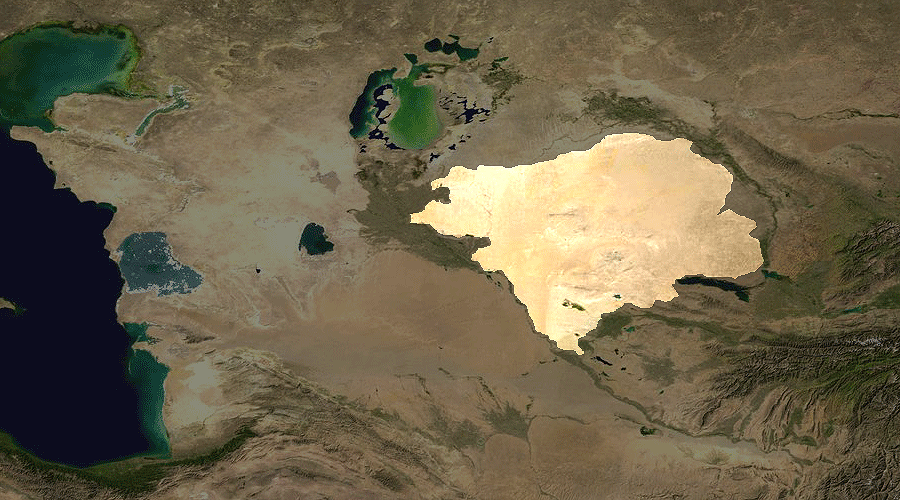
The Kyzyl Kum Desert is the 15th largest desert in the world! 🌍It spans about 298,000 square kilometers (115,000 square miles) across Central Asia. The name "Kyzyl Kum" means "Red Sand" in Turkic languages, because of its beautiful reddish sand dunes. This fascinating desert is located mainly in Uzbekistan, and a small part in Kazakhstan. It's known for its vast landscapes, strong winds, and unique wildlife. So, if you love deserts and adventure, Kyzyl Kum is an exciting place to learn about! 🌵
Images of Kyzyl Kum

Kyzylkum Desert near Ayaz-Kala, Uzbekistan

Kyzylkum Desert in Xorazm province, Uzbekistan
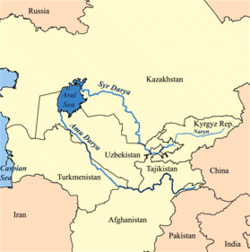
The Kyzylkum is between the Syr-Darya and Amu-Darya Rivers

Dromedary and Bactrian camel in the Kyzylkum Desert
Flora And Fauna
Despite the dryness, the Kyzyl Kum Desert is home to amazing plants and animals! 🌿The desert features tough plants like saxaul trees and various bushes that survive on very little water. Some animals that call this desert home include foxes, gazelles, and even camels! 🐪You can also find insects and reptiles like lizards. The unique wildlife has adapted to live in this challenging environment, showing us that life can thrive even in the toughest conditions! 🌾
Economic Activities
The Kyzyl Kum Desert is not just sand; it has economic importance too! 💰People in the area often engage in activities like herding sheep and goats. Some even farm along the edges of the desert, growing crops like cotton and wheat when there’s enough water available. This desert region helps provide essential resources for nearby cities. Additionally, the tourism industry is growing, bringing people to see the incredible landscapes and wildlife! 🏜️
Scientific Research
Scientists are very interested in the Kyzyl Kum Desert! 🧑🔬 Researchers study the desert's unique environment, plants, and animals to learn how they adapt to harsh conditions. These studies help us understand climate change and its effects on different habitats. Some scientists are also exploring how to improve water management in the region since it affects the surrounding communities. The Kyzyl Kum offers a fantastic opportunity for learning and discovery! 🌱🔍
Conservation Efforts
Conserving the Kyzyl Kum Desert is very important! 🌱Various organizations work hard to protect its unique habitats and animals. Since the desert is fragile, local communities are encouraged to take care of their environment. Efforts to limit pollution and over-farming help keep the desert healthy. Teachers and scientists also teach kids about how they can help. If everyone plays their part, the amazing Kyzyl Kum Desert can be enjoyed by future generations too! 🌍❤️
Historical Landmarks
The Kyzyl Kum Desert is rich in history and filled with ancient landmarks! 🏰The ruins of the old city of Kervan include fascinating remnants of ancient caravanserais, which were rest stops for travelers along the Silk Road. The Aral Sea's former shoreline is also nearby, proving how the geography has changed over time. Exploring these historical spots helps us understand the connection between the desert and the cultures that flourished there. 🗿📚
Cultural Significance
Kyzyl Kum Desert has an important cultural role in the lives of people in Central Asia! 🕌The desert has been home to nomadic tribes for centuries. These tribes use camels for transportation and carry out traditional customs. Many local legends and stories come from this beautiful desert landscape! The Silk Road, a famous trade route, passed through the Kyzyl Kum Desert, connecting countries like China and Persia. This trade brought different cultures together, making Kyzyl Kum an important historical place! 🌍📜
Challenges And Threats
The Kyzyl Kum Desert faces some challenges that threaten its environment! 🚧Desertification, which means more and more land turning into desert, is a big issue. Over-farming and climate change are causing problems for plants and animals. Also, some people may not be aware of how to protect the environment. It is important for everyone to learn about and care for Kyzyl Kum to ensure it stays beautiful and full of life! 🌍💔
Geography And Location
The Kyzyl Kum Desert covers parts of two countries: Uzbekistan and Kazakhstan! 🗺️ It stretches between the Amu Darya River to the south and the Syr Darya River to the north. Did you know that the desert is bordered by the beautiful Ustyurt Plateau? The sandy dunes can reach heights of up to 100 meters (about 328 feet)! The landscape is mostly flat, but you can also find rocky areas and some dry riverbeds. The desert is surprisingly an important part of the region's geography, influencing the lifestyle of people who live nearby. 🌞
Tourism And Recreation
Tourists love to explore the Kyzyl Kum Desert! 🏞️ People come from all over the world to see its vast sandy dunes and stunning sunsets. Many visitors enjoy activities like camel rides, hiking, and camping under the stars! 🌌The desert's beautiful landscape offers great photo opportunities! Some even go on guided tours where they can learn more about the environment and the traditional lifestyle of local nomadic tribes. Kyzyl Kum is a place full of adventure! 🐪📸
Climate And Weather Patterns
Kyzyl Kum has a very dry climate! The temperature can get as high as 40°C (104°F) in summer and drops to below 0°C (32°F) in winter! 🥵❄️ Rain is rare, with only about 100 mm (4 inches) of precipitation each year. The desert experiences strong winds, especially in spring. These winds can create sandstorms, making it important for travelers to be careful. The cold nights can make it feel like a whole different world when the sun sets! 🌜
Did you know?
🌍 The Kyzyl Kum Desert is the 15th largest desert in the world!
🗺️ It spans about 298,000 square kilometers (115,000 square miles) across Central Asia.
🌅 The name 'Kyzyl Kum' means 'Red Sand' in Turkic languages due to its beautiful reddish sand dunes.
🌞 The desert is mainly located in Uzbekistan, with a small part in Kazakhstan.
🥵 Kyzyl Kum has extreme temperatures, reaching up to 40°C (104°F) in summer and below 0°C (32°F) in winter.
🌿 Despite being dry, Kyzyl Kum is home to unique plants like saxaul trees and animals such as foxes and camels.
🏜️ The landscape includes vast sandy dunes that can reach heights of up to 100 meters (328 feet)!
🚧 Challenges like desertification and over-farming threaten the desert's environment.
🕌 Kyzyl Kum has a rich cultural significance, having been home to nomadic tribes for centuries.
🐪 The tourism industry is growing, attracting visitors for camel rides and stunning sunsets.
Kyzyl Kum Quiz
Learn more about Kyzyl Kum
