Kalanchoe Pinnata Facts For Kids
Kalanchoe pinnata, also called Cathedral Bells, is a hardy succulent plant from Madagascar, known for its beautiful bell-shaped flowers and unique propagation abilities.
Select reading age

Kalanchoe Pinnata Facts For Kids
Videos & Quizzesincluded
About this topic
Kalanchoe pinnata is a cool plant known by many names, like the "miracle leaf" and "cathedral bells." 🌿 It is a succulent, which means it stores water in its leaves, like a little water balloon! This special plant is native to Madagascar, an island off the coast of Africa, where it grows in hot, dry places. Kalanchoe pinnata is loved for its pretty flowers and its helpful qualities. It can grow quite tall, up to about 2 feet (60 cm), and it usually has green, thick leaves that are shaped like spatulas. 🌱
Explore with ChatDinoKey Points
Like all plants, Kalanchoe pinnata can have some troubles with pests and diseases.
Kalanchoe pinnata is considered a symbol of love and care in many cultures.
Kalanchoe pinnata is not just a pretty plant; it's important for the environment too!
Kalanchoe pinnata is native to Madagascar, 🌍 a large island known for its amazing plants and animals.
Kalanchoe pinnata has thick, fleshy leaves that store water, making them feel a bit like a sponge!
There are several types of Kalanchoe, each with unique features!
Kalanchoe pinnata belongs to the Crassulaceae family, which includes many other succulents.
Kalanchoe pinnata isn’t just pretty; it is also useful in traditional medicine!
If you want to grow your own Kalanchoe pinnata, it's super easy!
Photos of Kalanchoe Pinnata
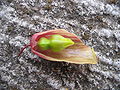
Kalanchoe Pinnata — photo 1

Kalanchoe Pinnata — photo 2

Kalanchoe Pinnata — photo 3

Kalanchoe Pinnata — photo 4

Kalanchoe Pinnata — photo 5

Kalanchoe Pinnata — photo 6

Kalanchoe Pinnata — photo 8

Kalanchoe Pinnata — photo 9
🐛 Pests And Diseases
Like all plants, Kalanchoe pinnata can have some troubles with pests and diseases. 🐛The most common pests are aphids and mealybugs, which can suck the juice from its leaves. If you spot tiny bugs, you can wash them off with water or ask an adult for help! 🍃Sometimes, Kalanchoe can get a fungal infection if it’s too wet, so it’s important to keep an eye on the watering. If you see any yellow leaves, it may need a little more sunshine! 🌼
Go deeper💖 Cultural Significance
Kalanchoe pinnata is considered a symbol of love and care in many cultures. In some countries, people keep it in their homes for good luck, positivity, and health. 💖In Madagascar, it is also known for its traditional uses, as families believe it brings protection. The plant has been mentioned in stories and legends, making it special for communities. 🌟Many also enjoy its beauty, using it in gardens to brighten up spaces with its colorful flowers. People often share this plant with friends as a gesture of love! 🌷
Go deeper🌍 Ecological Importance
Kalanchoe pinnata is not just a pretty plant; it's important for the environment too! 🌍Its flowers attract bees, butterflies, and other insects, which help pollinate other plants. Pollination is how many plants make seeds! 🐝This plant also helps prevent soil erosion in its native habitats by holding the soil in place with its roots. 🌱By growing Kalanchoe, we can support local wildlife and contribute to a healthy ecosystem! 🌼
Go deeper🌍 Native Habitat And Range
Kalanchoe pinnata is native to Madagascar, 🌍a large island known for its amazing plants and animals. This plant can also be found in other warm regions, like Africa and the tropical areas of Asia and the Americas. 🌺Madagascar’s warm climate helps Kalanchoe pinnata thrive, as it loves sunlight and can survive with little water. You might spot these plants growing in gardens or rockeries, where they get plenty of sunshine and have good drainage. 🌞
Go deeper🧽 Physical Characteristics
Kalanchoe pinnata has thick, fleshy leaves that store water, making them feel a bit like a sponge! 🧽The leaves are normally a bright green color, but some can be reddish at the edges. This plant can reach about 2 feet (60 cm) tall, and it has stunning flowers that can be orange, red, or yellow! 🌼These flowers grow in clusters and can attract bees and butterflies! The unique feature of this plant is that little baby plants sprout from its leaves, which is quite special. 🌿
Go deeper🌼 Variations And Cultivars
There are several types of Kalanchoe, each with unique features! 🌼Some popular varieties include Kalanchoe blossfeldiana, known for its bright red or pink blooms and Kalanchoe tomentosa, which has fuzzy leaves. Kalanchoe pinnata is also often grown for its health benefits! 🌱People love these variations for their beauty and easier care. No matter which one you choose, they all add a splash of vibrancy to your garden or home! 🌷
Go deeper🌵 Taxonomy And Classification
Kalanchoe pinnata belongs to the Crassulaceae family, which includes many other succulents. 🌵Its scientific name is Kalanchoe pinnata, but people often call it "air plant" or "life plant." The name "Kalanchoe" comes from the Chinese word for "flowering," while "pinnata" means "feather-like" in Latin, describing its unique leaf shape! 🪴There are over 200 species of Kalanchoe around the world, but Kalanchoe pinnata is special for its medicinal uses and distinctive leaves.
Go deeper🌿 Uses In Traditional Medicine
Kalanchoe pinnata isn’t just pretty; it is also useful in traditional medicine! 🌿People in places like Madagascar and Africa have used its leaves for years. The leaves can be crushed to make a paste for skin irritations, cuts, and burns. 🩹Many believe it has healing properties! Some even use it for stomach issues, as herbal remedies made from Kalanchoe are thought to help digestion. However, always check with adults before using any plant for medicine! 🌈
Go deeper🌱 Propagation And Growing Conditions
If you want to grow your own Kalanchoe pinnata, it's super easy! 🌱You can plant it from a leaf or a stem cutting. Just place it in soil that drains well and give it plenty of sunlight! ☀️ This plant loves warmth, so make sure it stays in a cozy, sunny spot. It doesn’t need much water—just enough to keep the soil slightly moist. 🌧️ Be careful not to overwater, as too much water can make it sad! With a little care, your Kalanchoe will flourish and grow beautifully!
Go deeper