Juncaceae Facts For Kids
Juncaceae, also known as the rush family, is a group of over 300 flowering plants typically found in wetlands.
Select reading age
Juncaceae Facts For Kids
Videos & Quizzesincluded
About this topic
Juncaceae, also known as the rush family, is a group of flowering plants found around the world! 🌍These plants are usually found near water, such as rivers and lakes. Juncaceae plants have long, slender leaves that look like green sticks! They play an essential role in nature, helping to prevent soil erosion and providing homes for various animals. With over 300 species, these plants can be found on every continent except Antarctica! 🐧The name "Juncaceae" comes from Latin and means "to bind," because they often grow in clustered groups.
Explore with ChatDinoKey Points
The conservation status of Juncaceae varies by species.
Many people grow rush plants in their gardens or for landscaping!
Scientists study Juncaceae to discover more about these unique plants and their environments!
Rushes have been culturally significant for many communities around the world!
The rush family is vital for the environment!
Juncaceae plants have some unique ways to reproduce!
Rushes are found in many different places 🌊!
There are many fascinating species in the Juncaceae family!
Juncaceae plants usually have tall, thin stems that can range from a few inches to several feet tall.
Juncaceae is related to other plant families like Cyperaceae, known as the sedge family!
Photos of Juncaceae
Juncaceae — photo 1
🏞️ Conservation Status
The conservation status of Juncaceae varies by species. Some are thriving, while others are at risk. 🏞️ Species like the rare Juncus albescens are in danger of extinction due to habitat loss. Humans can cause this by draining wetlands for development. 🌼Conservation efforts focus on protecting their natural habitats and raising awareness about their importance! It’s essential to keep these beautiful plants safe so that they continue to help our ecosystems thrive!
Go deeper🏡 Cultivation And Uses
Many people grow rush plants in their gardens or for landscaping! 🏡They are popular because they are low-maintenance and thrive in wet areas. Some types are even used in decorative gardens and around fish ponds! 🐟Additionally, rushes have been used for making crafts and traditional mats in some cultures! The long stems can be woven into baskets or used to create beautiful chair seats. This makes them not only functional but also creative!
Go deeper📚 Research And Studies
Scientists study Juncaceae to discover more about these unique plants and their environments! 📚Research includes examining how they help ecosystems and how to protect them. Some scientists focus on studying how rushes adapt to changes caused by pollution and climate change. 🌡️ These studies aid in conservation efforts, ensuring that these wondrous plants continue to survive for generations. By understanding their roles in the environment, researchers can help promote biodiversity and protect wetlands!
Go deeper🌍 Cultural Significance
Rushes have been culturally significant for many communities around the world! 🌍In some Indigenous cultures, rushes are used to make traditional baskets and mats. 🎉The plants are also used in ceremonies and rituals, symbolizing nature's importance. In art and literature, rushes often represent resilience and adaptability, showing how they thrive in wet environments while providing beauty and function. 🌺Their presence in folklore and traditions brings people together and reminds us of the importance of nature!
Go deeper🌿 Ecological Importance
The rush family is vital for the environment! 🌿These plants help keep soil in place, preventing it from washing away during heavy rains, which is known as erosion. They also provide food and shelter for many animals, such as birds, frogs, and insects. 🐸Insects like dragonflies and butterflies love to rest and reproduce among the dense leaves! Additionally, rushes are excellent at filtering water, keeping our marshes and lakes clean. This makes them superstars in maintaining healthy ecosystems!
Go deeper🌼 Reproductive Strategies
Juncaceae plants have some unique ways to reproduce! 🌼Most rushes produce small flowers that are pollinated mainly by the wind. This means that they don't need bugs or birds to help them! After pollination, they develop tiny seeds that can be carried away by water or wind. 💨Once the seeds land in a suitable location, they can grow into new rush plants! Some species can also reproduce by spreading rhizomes, which are special underground stems. This allows them to create more plants nearby!
Go deeper🌊 Habitat And Distribution
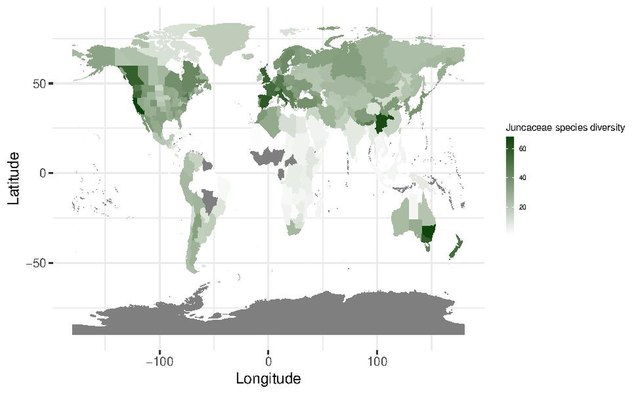
Rushes are found in many different places 🌊! They thrive in wetlands, such as marshes, swamps, and along the edges of ponds and lakes. In North America, you can find them in places like the Everglades in Florida and the wetlands in the Great Lakes region! They also grow in Europe, Africa, and Asia. 🌍Many species enjoy areas that are constantly damp, while others can live in dry soils. This helps to make them special because they can adapt to different wet and dry environments!
Go deeper🌾 Common Species Of Juncaceae
There are many fascinating species in the Juncaceae family! One popular type is the common rush (Juncus effusus), which can be found in North America and Europe. 🌾Another type is the black rush (Juncus gerardii), which grows in salt marshes. 🧂They are super adaptable! The soft rush (Juncus conglomeratus) is famous for its cylindrical shape and can guide friendly ducks! 🦆No matter what species, each one plays a crucial part in wetlands!
Go deeper🌱 Characteristics Of Juncaceae
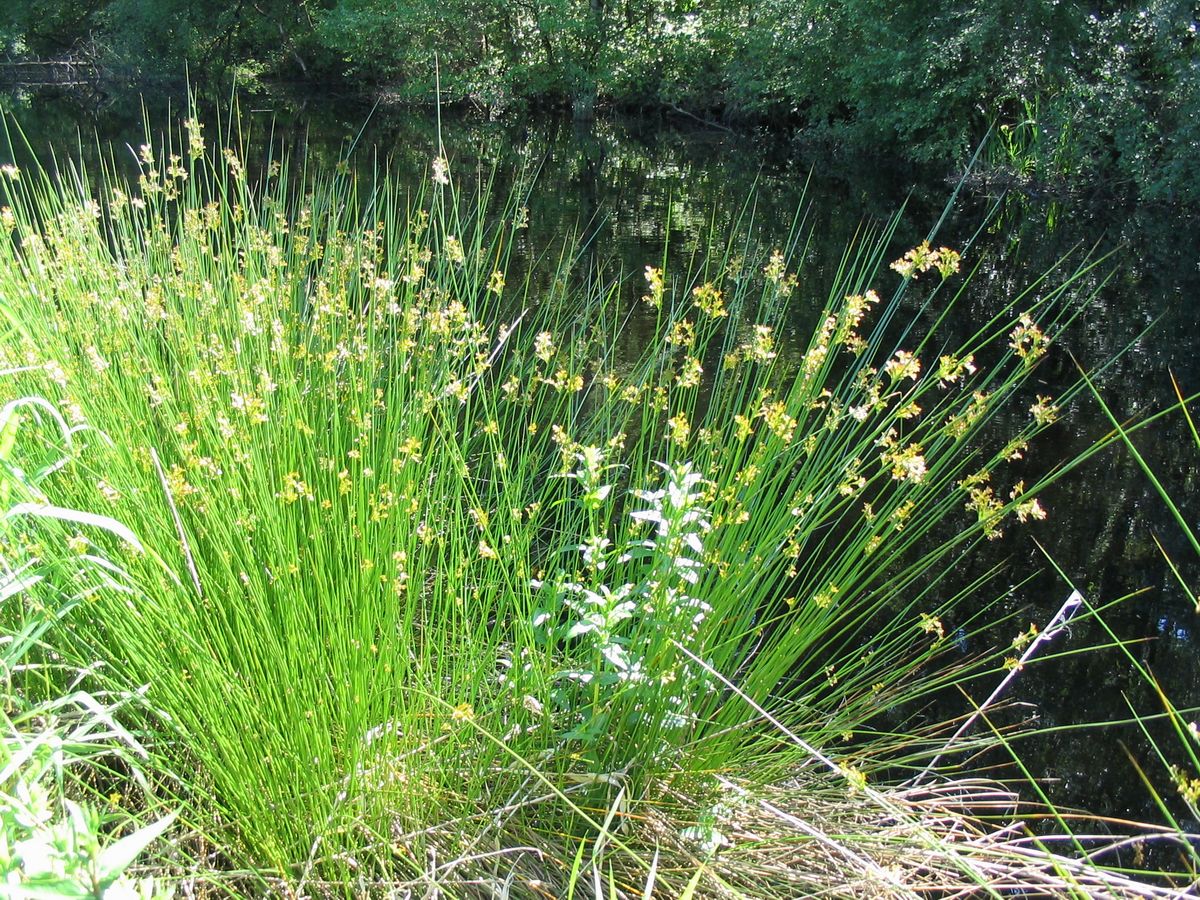
Juncaceae plants usually have tall, thin stems that can range from a few inches to several feet tall. 🌱The leaves are long and narrow, resembling grass. Most rushes have small, round flowers that bloom in clusters at the tops of the stems. The flowers can be white, yellow, or even green! Unlike other plants, rushes don’t have a strong smell. 🌸They thrive in wet environments and can even grow in muddy soils! Most Juncaceae plants are perennials, which means they live for several years.
Go deeper🌾 Related Families And Classification
Juncaceae is related to other plant families like Cyperaceae, known as the sedge family! 🌾While rushes and sedges may look similar, they have different characteristics. For example, sedges have triangular stems, whereas rushes do not. They are both important for wetland areas and contribute to biodiversity. 🌈The classification of plants can be fascinating! Scientists study how these families relate and work together in ecosystems!
Go deeper