Jaundice Facts For Kids
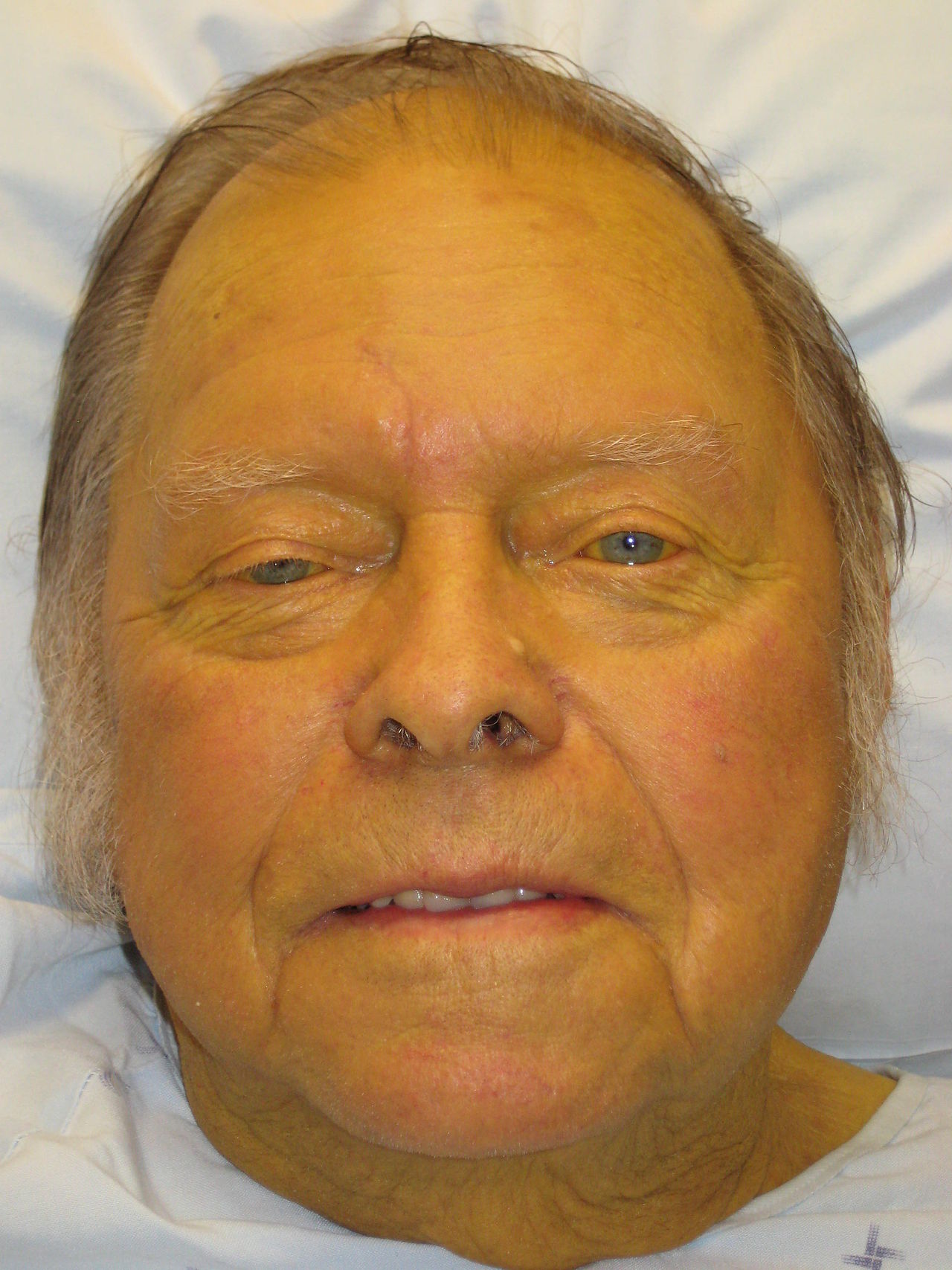
Jaundice is a yellowish or greenish pigmentation of the skin and eyes caused by high levels of bilirubin in the blood.
Select reading age
Jaundice Facts For Kids
Videos & Quizzesincluded
About this topic
Jaundice is a condition that turns the skin and the whites of the eyes yellow or greenish! 🌟This happens because of a substance called bilirubin, which, when too high, can cause this color change. Bilirubin comes from breaking down red blood cells. Usually, our liver helps get rid of extra bilirubin, but if it can't, jaundice occurs. Jaundice can affect people of all ages, from babies to adults! Understanding jaundice is important to keep everyone healthy and happy! 😊
Explore with ChatDinoKey Points
Certain things can increase the chances of getting jaundice!
To treat jaundice, doctors first need to find out what's causing it!
There are three main types of jaundice!
Jaundice can happen for several reasons.
Preventing jaundice often involves staying healthy!
Jaundice is very common in newborns, affecting about 60% of babies!
The main symptom of jaundice is, of course, the yellow coloring of the skin and eyes!
If jaundice is not treated properly, it may lead to complications!
The liver plays a vital role in keeping our bodies clean and healthy!
People have known about jaundice for a long, long time!
Photos of Jaundice

A 4-year-old boy with icteric sclera due to G6PD deficiency

Types of jaundice

Microscopy of a biopsy of a cholestatic liver showing bilirubin pigment (brown pigment), H&E stain

Jaundice — photo 4

Biliary-tract dilation due to obstruction as seen on CT scan (frontal plane)

Biliary-tract dilation due to obstruction as seen on CT scan (axial plane)
🌟 Risk Factors
Certain things can increase the chances of getting jaundice! 🌟For newborns, a common cause is not having their livers fully developed yet. Premature babies are at higher risk. Adults can have issues if they drink too much alcohol 🍺, have infections, or take certain medications. Some people may have genetic conditions, like sickle cell disease, which can also raise the risk. Knowing these risk factors can help everyone take better care of their health! 💪
Go deeper🧐 Treatment Options
To treat jaundice, doctors first need to find out what's causing it! 🧐For mild cases, doctors might just monitor the condition and suggest resting. If the liver needs some help, medications may be prescribed. For severe cases, hospitalization might be needed, especially if bilirubin levels are very high. Sometimes, procedures to remove blockages or even surgery are necessary. In newborns, special lights called phototherapy can help reduce bilirubin levels quickly and safely! 🌈
Go deeper😊 Types Of Jaundice
There are three main types of jaundice! 😊The first is hepatocellular jaundice, which happens when the liver itself is damaged or diseased. The second type is obstructive jaundice, which occurs when a bile duct is blocked, often by gallstones 🪨. Lastly, we have hemolytic jaundice, which is due to too many red blood cells breaking down too quickly. Each type has different causes and requires different treatments. Understanding the type of jaundice is important for doctors to help patients heal! 🩺
Go deeper🏥 Causes Of Jaundice
Jaundice can happen for several reasons. Sometimes, there's a liver problem, which is important for processing bilirubin. 🏥For example, hepatitis (an infection) can cause liver trouble. Other times, it might be a blockage in the bile duct, where bile (which helps digest food) moves through. Also, if someone has hemolytic anemia, their red blood cells break down too quickly, leading to extra bilirubin. 🩸It's not contagious, which means you can’t catch it from others, but you should still visit a doctor if you notice the yellow coloring!
Go deeper🏃♀️ Preventive Measures
Preventing jaundice often involves staying healthy! 🏃♀️ Wash your hands often, eat nutritious foods, and drink lots of water! Staying away from alcohol and avoiding certain medications can also help keep livers healthy. For babies, receiving the hepatitis B vaccine is crucial! 😊Regular check-ups with a doctor can ensure that the liver is functioning well. Taking care of yourself is a great way to prevent many health issues, including jaundice!
Go deeper👶 Jaundice In Newborns
Jaundice is very common in newborns, affecting about 60% of babies! 👶It usually occurs about two to three days after birth and is often harmless, disappearing within two weeks. It happens because newborns' livers may not be ready to process all the bilirubin yet. Doctors monitor babies closely and sometimes use special lights (phototherapy) to help quickly reduce bilirubin levels! 🌞With the right care, most newborns recover perfectly fine.
Go deeper👀 Symptoms And Diagnosis
The main symptom of jaundice is, of course, the yellow coloring of the skin and eyes! 👀But there can be other signs, like dark yellow urine or pale stools. Sometimes people may feel tired or have a loss of appetite! 🍽️ A doctor will usually check for these signs and may order blood tests to measure bilirubin levels and liver function. They can also use imaging tests like ultrasounds to see if there are blockages in the liver or bile ducts. Getting an early diagnosis helps ensure proper treatment!
Go deeper😱 Complications Of Jaundice
If jaundice is not treated properly, it may lead to complications! 😱One serious issue is liver failure, which can be life-threatening. Other complications can include severe brain damage in newborns due to very high bilirubin levels—a condition called kernicterus. Even chronic jaundice in adults can lead to ongoing health problems! Regular doctor visits and listening to your body can help prevent these serious issues. Taking action early is always the best way to stay safe!
Go deeper🍏 Jaundice And Liver Function
The liver plays a vital role in keeping our bodies clean and healthy! 🍏It's responsible for breaking down bilirubin and helping remove it from the bloodstream. When the liver is healthy, it efficiently cleans out waste! But when there’s a problem, bilirubin can build up, resulting in jaundice. Doctors test liver function through blood tests to make sure it's working well. Keeping our livers happy by eating good foods and avoiding too much alcohol is key to staying healthy! 😊
Go deeper📚 Historical Perspectives On Jaundice
People have known about jaundice for a long, long time! 📚Ancient Egyptians even described yellowing skin in their medical texts! In the 19th century, doctors began to learn more about the liver and its connection to jaundice, leading to important discoveries. Florence Nightingale, a famous nurse, even wrote about jaundice while improving hospital care! Today, we understand more than ever about how jaundice works and how to treat it, thanks to efforts across history! Studying medicine has made great leaps! 🌟
Go deeper