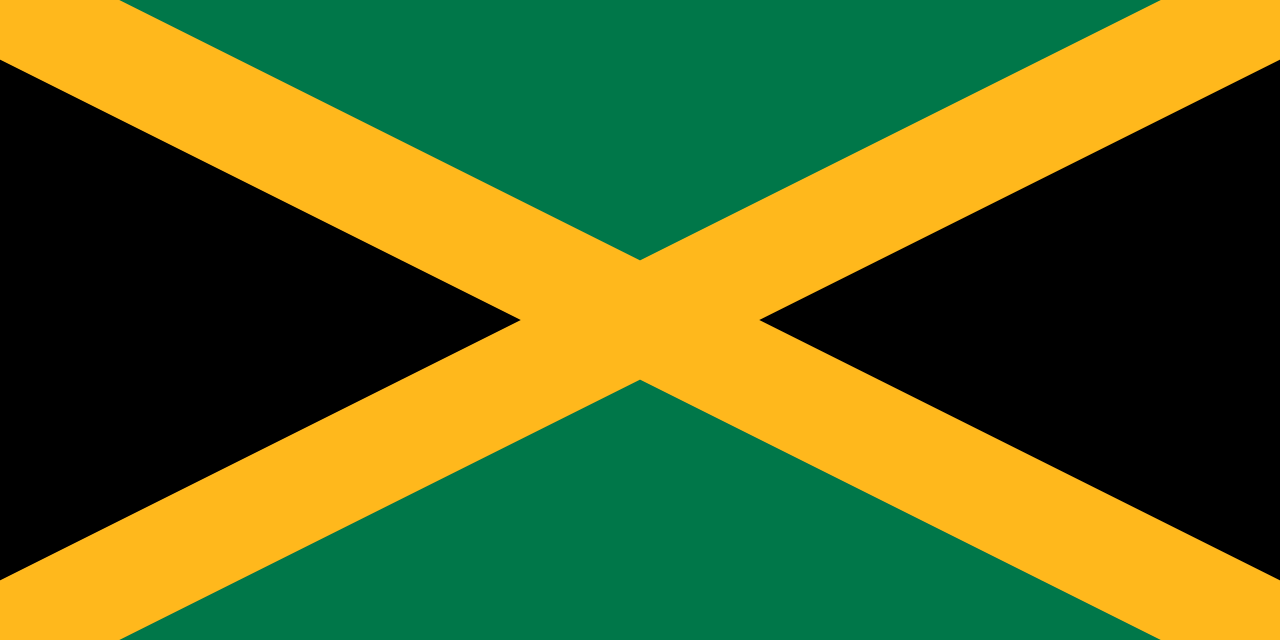
Jamaica is a beautiful island country located in the Caribbean Sea. πIt is known for its stunning beaches, lush mountains, and vibrant culture. Jamaica is the third-largest island in the Caribbean and has a population of about 3 million people. The capital city is Kingston. π―π² People in Jamaica speak English, and the country is famous for reggae music, delicious food, and friendly people. The Jamaican flag has black, green, and gold colors that stand for strength, hope, and wealth. πVisitors often enjoy the warm tropical climate, making it a popular vacation spot!
Henry Morgan was a Caribbean pirate, privateer, plantation owner and slaveholder; he had first come to the West Indies as an indentured servant, like most of the early English colonists.[40]
A plantation set alight during the Baptist War of 1831β32
Harbour Street, Kingston, c. 1820
Governor Sir Lionel Smith, accompanied by Revd James Phillippo, proclaiming the abolition of slavery in the colony of Jamaica, on 1 August 1838, from the King's House in Spanish Town
Marcus Garvey, father of the Back to Africa Movement and Jamaica's first National Hero
Michael Manley, Prime Minister 1972β1980 and 1989β1992
Jamaica is well-known for its talented athletes! πββοΈ Track and field is the king of sports, with famous sprinters like Usain Bolt, who won multiple Olympic gold medals. The country has a passion for cricket, too, with the West Indies cricket team including many Jamaican players. πJamaican bobsledding gained fame during the 1988 Winter Olympics, inspiring the movie "Cool Runnings." Football (soccer) is also popular, with many youth leagues and celebrations of the countryβs sports teams! π₯Sports play a big role in bringing people together and showcasing Jamaica's spirit!
Jamaica's economy has a variety of important industries. Tourism plays a big role, bringing millions of visitors each year to enjoy the beaches and culture. ποΈ Agriculture is also significant, with the cultivation of crops like sugarcane, bananas, and coffee. Blue Mountain coffee is especially famous for its rich flavor! π΅The manufacturing sector produces goods like bauxite (used for aluminum) and rum, a popular drink around the world. Jamaica's economy benefits from remittances, as many Jamaicans living abroad send money back home to support their families. π΅
Jamaica has a rich history that began with the TaΓno people, the islandβs first inhabitants. πIn 1494, Christopher Columbus arrived and claimed Jamaica for Spain. The island later became a British colony in 1655, which lasted for over 300 years. During this time, enslaved Africans were brought to work on plantations. Jamaica gained independence from Britain on August 6, 1962. πImportant figures in Jamaican history include Bob Marley, a famous reggae musician who spread love and unity through his songs. Today, Jamaicans celebrate their heritage through festivals and national holidays! πΆ
Jamaica attracts visitors from all over the world! πPopular destinations include Montego Bay, known for its lively beaches and resorts, and Ocho Rios, famous for its waterfalls and adventure parks. Tourists love to explore historical sites, like the Bob Marley Museum in Kingston. π€Visitors can also enjoy activities like snorkeling, zip-lining, and hiking in the Blue Mountains. ποΈ Jamaican cuisine is a must-try, with dishes ranging from spicy jerk chicken to delicious patties. With its friendly locals and breathtaking landscapes, Jamaica is a top spot for a fun vacation! ποΈ
Jamaica is surrounded by water, making it an island paradise! π΄It is the largest island in the English-speaking Caribbean, covering approximately 10,991 square kilometers (4,244 square miles). The island features stunning mountains, including the Blue Mountains, which reach over 2,200 meters (7,400 feet) high. The coastline is dotted with beautiful beaches like Seven Mile Beach in Negril and Doctor's Cave Beach in Montego Bay. ποΈ Jamaica's rivers and waterfalls, such as Dunn's River Falls, attract many visitors. The island is also home to the famous Blue Hole, a picturesque natural swimming area with bright blue water. π§
Jamaica is filled with unique plants and animals! πΏThe island is home to around 3,000 species of flowering plants and many trees like the Blue Mahoe, which is also the national tree. Jamaicaβs diverse wildlife includes colorful birds like the Doctor Bird (Jamaican hummingbird) and the endangered Jamaican Iguana. π¦The island has beautiful coral reefs and marine life, including fish, sea turtles, and dolphins! πConservation efforts help protect Jamaica's natural environment, making it a great place for eco-tourism and exploring nature.
Music is an essential part of Jamaican culture! πΆReggae is the most famous genre, with legendary artists such as Bob Marley, who shared messages of peace and love. The island also has other music styles like dancehall and ska. Festivals often showcase lively performances, combining colorful costumes and energetic dancing. πDance moves like Bogle and Pon di River are popular among Jamaicans and visitors alike. Music events, such as Reggae Sumfest, celebrate the island's rich musical heritage and attract fans from around the world! π
Jamaican culture is vibrant and lively, with influences from Africa, Europe, and Asia. πThe island is known for its music, especially reggae, which originated in Jamaica. Famous artists like Bob Marley and Peter Tosh are celebrated worldwide. Jamaican food is also delicious and includes dishes like jerk chicken, ackee and saltfish, and curried goat. πΆοΈ Traditions like the annual Jamaica Carnival showcase colorful costumes, dancing, and music. Rastafarianism is a spiritual movement that originates from Jamaica, emphasizing the connection to African heritage and the importance of nature. πΊFestivals often feature dance, art, and storytelling.