The Israel-Palestine conflict is a protracted struggle between Israelis and Palestinians over land, sovereignty, and rights, deeply rooted in historical grievances and national identities.
Set reading age
View for Kids
Easy to read and understand
View for Students
Clear, detailed explanations
View for Scholars
Deep dives and big ideas
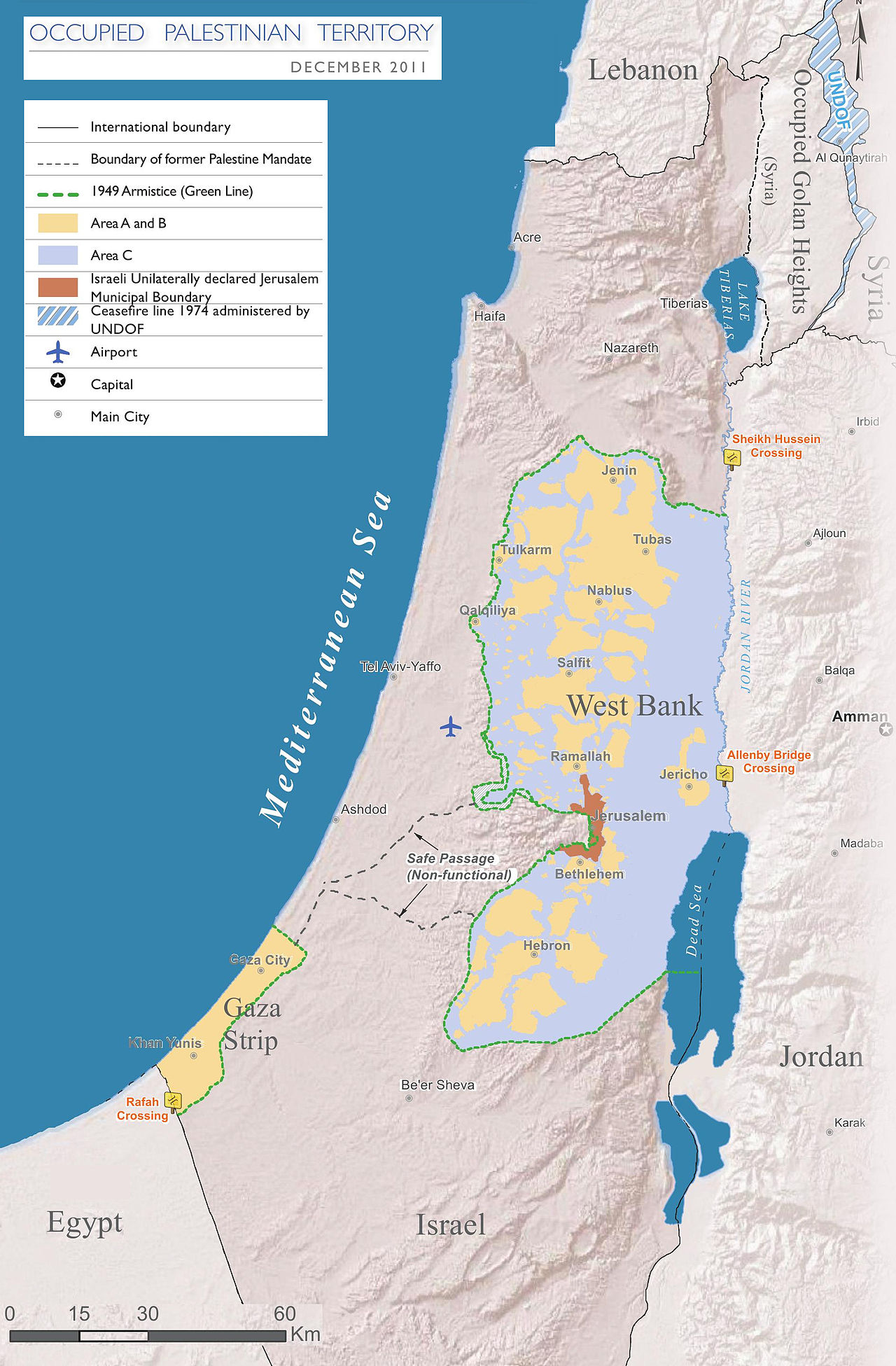
The Israel-Palestine conflict is a disagreement between two groups: the Israelis and Palestinians. 🌍It mainly happens in a region called the Middle East, especially in areas like Israel and Palestine, which includes the West Bank and Gaza Strip. People have different ideas about who should live where, and that has caused tension and fighting. The land has a lot of history and is important to both groups. Many people want peace, but finding a solution is challenging. 🤝Learning about this conflict can help us understand the importance of sharing and respecting each other’s feelings and rights.
There are many important events in the Israel-Palestine conflict. One of them was the War of Independence in 1948, which led to the creation of Israel. 💥In 1967, during the Six-Day War, Israel took control of more land, including the West Bank and Gaza Strip. In 1993, a significant moment happened when Israel and Palestine signed the Oslo Accords, agreeing to try to work together. 🙌However, violence continued, with many people suffering. Events like these shape the lives of everyone there and continue to affect peace efforts.
The conflict has greatly affected the economies of Israel and Palestine. 💵Israel has a more advanced economy, with technology and agriculture sectors. Palestinians often deal with higher unemployment and poverty due to restrictions and conflicts. Trade and job opportunities are impacted, limiting growth. Both parties’ economies are interlinked, meaning solving their conflict could help everyone become more prosperous. 🌱Understanding economics shows us why peace is essential for better lives and futures for all people in the region.
The future of the Israel-Palestine conflict is still uncertain. 🌟Some believe that with continued efforts toward peace and understanding, a solution can be found. Others are worried that without real change, fighting will continue. It’s important for young people to learn about empathy, negotiation, and respect for others. 🤗By understanding this complex issue, they can help create a better future where Israelis and Palestinians live peacefully together. Hope and communication are key to making dreams of peace a reality!
As of October 2023, the Israel-Palestine situation remains tense. 🚧There are moments of violence and protests, making daily life difficult for many. People on both sides still hope for peace and security. Some leaders and organizations continue to push for new discussions and agreements. However, disagreements over borders, refugees, and rights remain. The world watches closely, hoping for improvements in the region. 🌈Together, people are working to understand each other's needs and find a way toward a brighter future.
Both Israelis and Palestinians have rich cultures filled with traditions, music, and food. 🍽️ Israelis celebrate holidays like Hanukkah, while Palestinians celebrate Eid and Christmas. Both groups value family, community, and storytelling. Understanding these cultural sides helps us see how important this land is to people’s identities and history. 🌍It shows that people on both sides have hopes and dreams, and that they share a strong connection to their land. Listening to each other can help build empathy and understanding. 🎶
The story of the Israel-Palestine conflict goes back many years. 📜Over 3,000 years ago, ancient kingdoms like Israel existed in the same area. In the late 1800s, Jewish people began moving there because they wanted a homeland. At this time, many Arabs also lived there. After World War II, in 1947, the United Nations suggested splitting the land into a Jewish and an Arab state. When Israel was created in 1948, many Palestinians became refugees, causing deep sadness and anger. This early event set the stage for ongoing disagreements. ⏳
The main groups in this conflict are the Israelis, who mostly identify as Jewish, and the Palestinians, who are largely Arab. 🇮🇱🇵🇸 The Israeli government controls land and security, while Palestinian groups like the Palestinian Authority and Hamas have different views on how to achieve their goals. While some people want peaceful solutions, others feel frustrated and believe fighting is the only answer. Schools, hospitals, and families are affected on both sides. Knowing who is involved helps us understand the different perspectives in the conflict.
Many countries around the world care about the Israel-Palestine conflict and have different opinions. 🌏Some countries strongly support Israel, while others show support for the Palestinians. The United Nations often tries to help by suggesting peace talks. Countries like the United States and European nations sometimes take sides, but many want both groups to live peacefully together. Learning about these reactions teaches us that the conflict affects not just the region, but the whole world! 🌍
Many efforts have been made to try and bring peace to the Israel-Palestine conflict. One important event was the signing of the Oslo Accords in 1993, which encouraged negotiation. ✍️ Many leaders, such as U.S. President Bill Clinton and Israeli Prime Minister Yitzhak Rabin, worked hard for peace. However, these talks have had ups and downs, and new agreements and proposals have often faced challenges. The need for peace is still strong, but truly lasting solutions remain elusive, making it an ongoing challenge. 🌈


DIY is a creative community where kids draw, build, explore ideas, and share.
No credit card required