Irregular Galaxy Facts For Kids
An irregular galaxy is a galaxy that lacks a distinct regular shape, often appearing chaotic and disorganized compared to spiral or elliptical galaxies.
Select reading age

Irregular Galaxy Facts For Kids
Videos & Quizzesincluded
About this topic
Irregular galaxies are some of the most interesting and unusual galaxies in the universe! 🌌Unlike spiral galaxies (like the Milky Way) or elliptical galaxies (which look like an oval), irregular galaxies don’t have a neat shape. Instead, they are all jumbled up and can look quite chaotic. These fascinating galactic forms are found all over the universe, primarily in the Local Group, which includes our own Milky Way! 🌠Irregular galaxies can contain many stars, gas, and dust, leading to colorful structures and beautiful star formations. They are truly unique cosmic wonders!
Explore with ChatDinoKey Points
Irregular galaxies are believed to form through many exciting events!
Astronomers use many cool tools to study irregular galaxies!
Irregular galaxies play a special role in the universe's structure!
Some irregular galaxies are well-known and super fun to study!
There are two main types of irregular galaxies: Irr I and Irr II!
There is still so much to learn about irregular galaxies!
Dark matter is a mysterious substance that scientists believe exists in the universe!
Irregular galaxies have certain characteristics that make them stand out!
Irregular galaxies are known for their active star formation!
Irregular galaxies are very different from spiral and elliptical galaxies.
Photos of Irregular Galaxy

Irregular Galaxy — photo 1

Irregular Galaxy — photo 2

Irregular Galaxy — photo 3
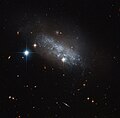
Irregular Galaxy — photo 4

Irregular Galaxy — photo 5
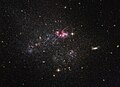
Irregular Galaxy — photo 6

Irregular Galaxy — photo 7

Irregular Galaxy — photo 8

Irregular Galaxy — photo 9
🌌 Formation And Evolution
Irregular galaxies are believed to form through many exciting events! 🌌They might have started as smaller galaxies that collided or merged with others, creating an interesting shape. Sometimes, these galaxies interact with larger galaxies, pulling them apart! 🌠Over time, their appearance may change, depending on things like gravity and cosmic dust. Irregular galaxies can also develop new stars from the gas and dust inside them. This star formation often changes the way they look, making them look even less regular. These fascinating processes can take millions of years to happen!
Go deeper🔭 Observational Techniques
Astronomers use many cool tools to study irregular galaxies! 🔭One popular method is using telescopes, especially those that can see different types of light, like radio waves and infrared. Some powerful telescopes, such as the Hubble Space Telescope, help us explore distant places! 🌠Photographs taken by these telescopes show the colorful, chaotic nature of irregular galaxies. Scientists can also use computer models to simulate how these galaxies evolve over time. With these techniques, they can learn about how stars form and how galaxies interact with one another. It's like being a galactic detective!
Go deeper🌌 Role In Cosmic Structure
Irregular galaxies play a special role in the universe's structure! 🌌They are often found near larger galaxies, like the Milky Way, and contribute to the cosmic ecosystem. These galaxies can act as ‘star factories,’ creating new stars that may later join larger galaxies. ✨By understanding how irregular galaxies exist and form stars, scientists gain insights into cosmic evolution and the universe’s history. Irregular galaxies also tell us about the effects of gravity and dark matter, helping us understand the larger cosmic web. Each galaxy, including irregular ones, helps build the universe we know today!
Go deeper🌌 Famous Irregular Galaxies
Some irregular galaxies are well-known and super fun to study! 🌌One of the most famous is the Large Magellanic Cloud (LMC), which is about 163,000 light-years away from Earth! 🌟The Small Magellanic Cloud (SMC) is another nearby irregular galaxy, about 200,000 light-years away. Both of them are part of our Local Group. A distant example is the IC 342 galaxy in the constellation of Camelopardalis. Each of these galaxies has unique features, star formations, and colors, providing scientists with valuable insights into how galaxies work!
Go deeper🤓 Types Of Irregular Galaxies
There are two main types of irregular galaxies: Irr I and Irr II! 🤓Irr I galaxies have more young stars and often have bright blue areas, indicating lots of star formation. A great example is the Large Magellanic Cloud, located near the Milky Way! ☁️ Irr II galaxies generally have older stars and look more spread out. They might be redder in color because they lack new stars. One famous example is the Small Magellanic Cloud, also a neighboring galaxy. Both types show how different shapes and colors can tell astronomers about their star-making history!
Go deeper🔭 Future Research And Discoveries
There is still so much to learn about irregular galaxies! 🔭Scientists are excited about future discoveries using bigger telescopes and advanced technology. Missions like the James Webb Space Telescope will help explore these galaxies in more detail and show us their hidden wonders. 🌌This research could help us understand the origins of galaxies, star formation, and the mysteries of dark matter. Each new discovery brings us closer to understanding the universe and our place within it. So, keep dreaming big, space explorers! Who knows what cosmic secrets we will unveil in the future? 🌠✨
Go deeper🌌 Dark Matter In Irregular Galaxies
Dark matter is a mysterious substance that scientists believe exists in the universe! 🌌It doesn’t emit light or energy, making it hard to see. Irregular galaxies, just like spirals and ellipticals, may contain dark matter. 💫This unseen matter helps hold the galaxy together, despite their strange shapes. Scientists think that a lot of the mass in irregular galaxies might be this dark matter. By studying the movement of stars in these galaxies, astronomers can learn about dark matter and how it influences the universe around us. It's like solving a cosmic mystery! 🕵️♂️
Go deeper✨ Characteristics Of Irregular Galaxies
Irregular galaxies have certain characteristics that make them stand out! ✨Unlike spiral galaxies with defined arms or elliptical ones with rounded shapes, irregular galaxies lack a particular structure. They are usually smaller in size and may contain lots of new stars being formed. 🌟These galaxies often have a mix of young and old stars, giving them a variety of colors. They also contain a lot of gas and dust, which is important for building new stars! Because they don't follow a pattern, astronomers find them particularly exciting to study!
Go deeper🌟 Irregular Galaxies And Star Formation
Irregular galaxies are known for their active star formation! 🌟Because they contain lots of gas and dust, they are perfect environments for creating new stars. As gas clouds come together due to gravity, they can collapse, forming stars in the process! 🌌This star formation often results in bright, colorful regions that astronomers can spot. Some of these new stars might only last a few million years, while others can shine for billions of years! Studying how stars are formed in irregular galaxies helps scientists learn more about how our own galaxy creates stars and what influences their life cycles.
Go deeper🌌 Comparison With Spiral And Elliptical Galaxies
Irregular galaxies are very different from spiral and elliptical galaxies. 🌌Spiral galaxies have beautiful arms with lots of stars, while elliptical galaxies are smooth and round. Think of it like different types of cookies! 🍪Spiral galaxies are like delicious swirl cookies, while elliptical ones are like classic round cookies. Irregular galaxies, however, are like a fun mix of cookie crumbles! Some contain bright colors and dynamic star formations, while others have a more scattered appearance. Although they are distinct, all galaxy types are essential for understanding the universe better!
Go deeper