International Standard Book Number Facts For Kids
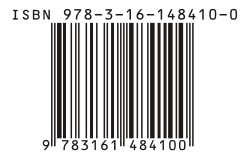
The International Standard Book Number (ISBN) is a unique 13-digit identifier for books that simplifies finding and managing published works worldwide.
Select reading age
International Standard Book Number Facts For Kids
Videos & Quizzesincluded
About this topic
The International Standard Book Number, or ISBN for short, is like a superhero for books! 📚✨ Each book has a special number that helps people find it easily. An ISBN is usually made up of 13 digits nowadays, which is like a secret code! 📜It shows the book's title, author, and publisher. The best part? No two books have the same ISBN! This helps libraries and bookstores know exactly which book you want. Next time you ask for a book, remember it has a special number just for it! 🙌🏼
Explore with ChatDinoKey Points
What will happen to ISBNs in the future?
The cool thing about ISBNs is that they’re not just for printed books!
The ISBN was born in 1966!
If you're a publisher or an author, getting an ISBN is simple!
An ISBN has a special structure!
Did you know there are different agencies around the world that give out ISBNs?
In the publishing industry, the ISBN is super important!
Are you an author looking to publish your own book?
Some people think that every book automatically gets an ISBN.
An ISBN is one type of book identifier, but there are others too!
Photos of International Standard Book Number

Total number of ISBN registrations. 2020.

The parts of a 10-digit ISBN and the corresponding EAN‑13 and barcode. Note the different check digits in each. The part of the EAN‑13 labeled "EAN" is the Bookland country code.
🤔 Future Of Isbns
What will happen to ISBNs in the future? 🤔As more books are published, they’ll keep being important! There are more electronic books (e-books) and audiobooks now, so having ISBNs for these formats will become even more essential. 📱📖 Technology may change how we distribute books, but the idea of a unique number will probably stay the same! This way, readers will still be able to find their favorite stories easily. So, ISBNs will always have a place in the world of reading! 📚✨
Go deeper📲 Isbn And E-books
The cool thing about ISBNs is that they’re not just for printed books! 📲E-books also need ISBNs! This helps online stores and libraries to organize e-books just like paper books. When an author publishes an e-book, they can get an ISBN too. It’s important for digital readers to know which book they’re downloading! 📥This way, everyone can find the right stories to read on their devices. Next time you read an e-book, remember it has a special number just like printed books! 📖
Go deeper😮 History Of The Isbn
The ISBN was born in 1966! 😮A man named Gordon Foster created it in the United Kingdom. Before this number, books used different ways to identify themselves, which made things confusing. The first ISBN was only 10 digits long! In 2007, it changed to 13 digits to keep up with more books being published. 🌍Different countries now use ISBNs, making it an international system! So, when you read books from around the world, they all have this helpful number waiting for you. 📖
Go deeper🚀 How To Obtain An Isbn
If you're a publisher or an author, getting an ISBN is simple! 🚀First, you need to contact an ISBN agency, which helps people get their own numbers. In the USA, you can reach out to Bowker. They often have a website where you can fill out forms. 📩When you apply, you'll have to provide some info about your book, like the title and author name. After that, you’ll receive your very own ISBN! How cool is that? 🎉Once you have it, your book is ready to be recognized all around the world!
Go deeper📏 Structure Of The Isbn
An ISBN has a special structure! 📏It has five parts: the prefix, the registration group, the registrant, the publication, and a check digit. The prefix, like "978" or "979," tells us the book is part of the international system. The registration group shows which country the book comes from, like “0” for English-speaking countries! 🌎The registrant is the publisher, while the publication part is the specific book. Finally, the check digit is like the "boss" that makes sure the whole number is correct! 🔢
Go deeper🌍 International Isbn Agencies
Did you know there are different agencies around the world that give out ISBNs? 🌍🤩 Each country has its own agency so books from everywhere can have their special numbers! For example, in Canada, it's the Canadian ISBN Service. In the UK, you can go to the Nielsen Book Agency. And in Australia, you would reach out to Thorpe-Bowker! 🏞️ These agencies help authors and publishers obtain their ISBNs, so books can be recognized worldwide. So cool, right? 🌟
Go deeper🌟 Isbn In The Publishing Industry
In the publishing industry, the ISBN is super important! 🌟Publishers use it to track which books are sold and where. When a bookstore orders books, they look for the ISBN to make sure they’re getting exactly what they want! 📦Plus, libraries use ISBNs as well. So when you borrow your favorite book, it has a special number that helps the librarians keep everything organized. Bookstores and libraries depend on ISBNs to make sure readers can always find the right books! 📚
Go deeper🌈 Isbn For Self-publishing Authors
Are you an author looking to publish your own book? 🌈Great news! You can get your own ISBN even if you're self-publishing! This means you don't have to go through a big publisher. You can still have your book identified with its own special number. Self-publishing platforms often make it easy to get an ISBN when you publish. 🖥️ This helps your readers find your book quickly! So if you write a story, don't forget to grab an ISBN to make it official! You can be a published author! ✍️
Go deeper😲 Common Misconceptions About Isbns
Some people think that every book automatically gets an ISBN. That’s not true! 😲Publishers and authors have to apply for them. Also, not all books need them; for example, magazines and some small publications might not use ISBNs. People often confuse collection books or anthologies as one single book, but each story inside could have its own ISBN! 📚It’s okay to be confused! But now you know the truth about ISBNs! They're essential for making books easy to find! 💡
Go deeper🔍 Comparison With Other Book Identifiers
An ISBN is one type of book identifier, but there are others too! 🔍One common identifier is the International Standard Music Number (ISMN), used for music scores. Then, there’s the International Standard Article Number (ISAN) for audiovisual works. An ISBN is special because it’s specific just for books! 📖📜 While other identifiers help different kinds of media, ISBNs make sure every book can be found easily in stores and libraries around the world. Talk about teamwork in organization! 🌈
Go deeper