HIV is a virus that weakens the immune system by attacking CD4 cells, making it harder for the body to fight infections, but effective treatments are available today.
Set reading age
View for Kids
Easy to read and understand
View for Students
Clear, detailed explanations
View for Scholars
Deep dives and big ideas
HIV, or Human Immunodeficiency Virus, is a tiny germ that can make people sick. It can weaken the immune system, which is like our body's superhero team that fights off sickness! 🌟The body needs this superhero team to stay healthy and strong. HIV affects millions of people all around the world, especially in places like South Africa and India. Fortunately, scientists and doctors have learned so much to help people with HIV live longer and healthier lives! 🎉Learning about HIV is important, so we can support those who are affected and understand how to keep ourselves safe.
HIV is a virus that can make people sick if it is not treated. It attacks the body's immune system, which protects us from germs and illnesses. 🦠There are two main types of HIV: HIV-1 and HIV-2. HIV-1 is the most common worldwide, while HIV-2 is found more in West Africa. The virus makes copies of itself inside the body and can be spread if not managed properly. There are many medicines that can help people with HIV live happy and healthy lives! 🍏💊
People with HIV can live happy and healthy lives with the right treatment and support! 🌻Many people with HIV go to school, have jobs, and spend time with loved ones. It's super important for them to take their medicines regularly and visit their doctors! They can also talk honestly about how they're feeling. Support from friends, family, and communities can make all the difference. Together, we can create a world where everyone is treated with kindness and understanding, no matter their health status!
Doctors can find out if someone has HIV by doing a simple blood test. 🩸They check for the virus in the blood, which is a quick way to determine your health. Getting tested is very important because the sooner you know, the sooner you can start any needed treatment! Some places even have free clinics where people can get tested safely! ✨Don’t be afraid to ask questions; it's okay to talk to a trusted adult about getting tested!
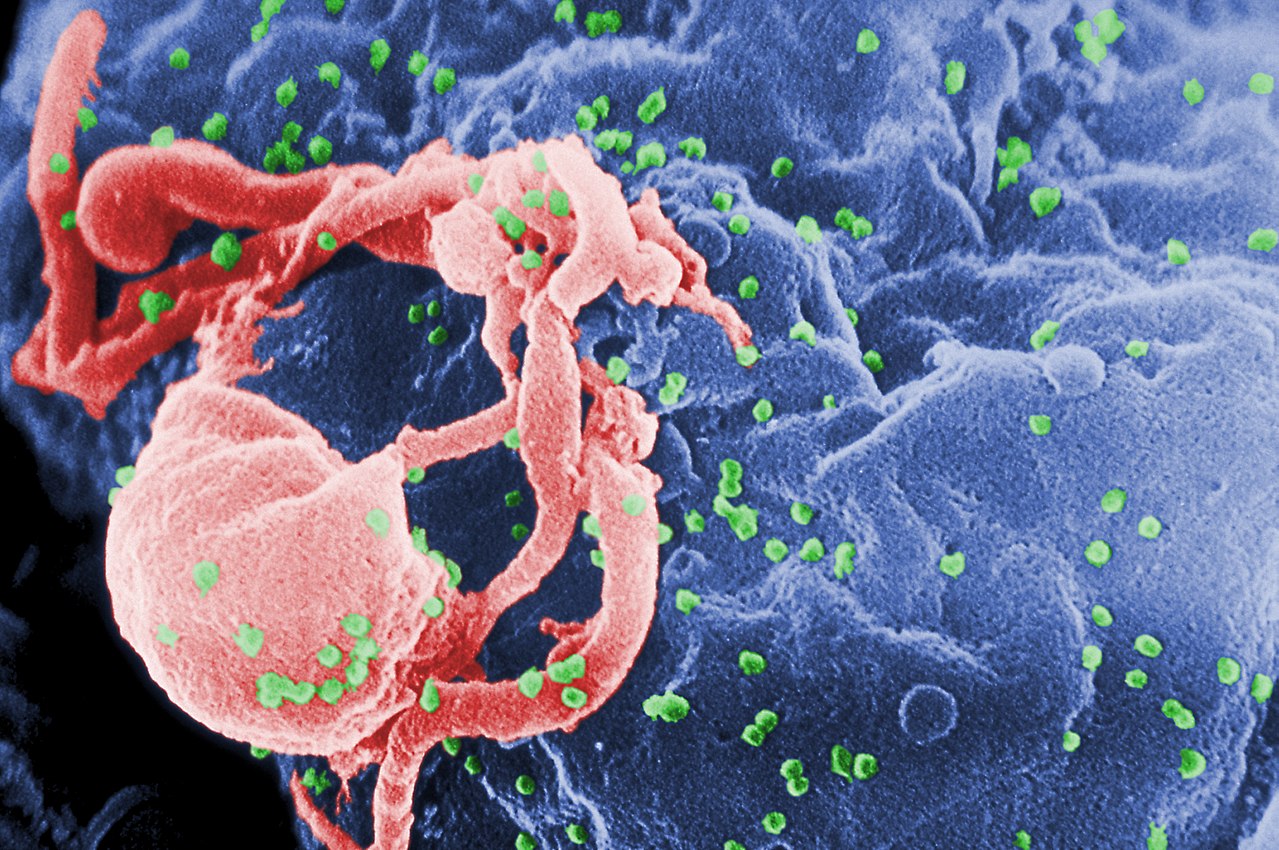
HIV has a life cycle that helps it survive inside the human body. When it enters the body, it looks for special cells called CD4 cells, which are part of our immune system. 📦Once inside, HIV makes copies of itself and spreads to other cells. Over time, if not treated, HIV can destroy many of these CD4 cells. This follows a cycle: it enters, it grows, and then it spreads! With medications, people can stop the virus from copying itself and keep their immune system strong! 💪❤️
There are special medicines called antiretroviral therapy (ART) that help people with HIV live longer and healthier lives. 💊These medicines work by stopping the virus from making more copies of itself. When someone takes ART regularly, they can keep their immune system strong and may even have an "undetectable" viral load, which means the virus is so low it cannot be spread to others! It’s super important for people with HIV to follow their doctor’s advice and take their medicines as prescribed! 💪
HIV can spread from one person to another, but it doesn’t happen easily. It usually happens through blood, breast milk, or by sharing needles. 🩸You can also get HIV through unprotected sex, which means not using protection to keep safe. It’s important to know that you cannot get HIV from hugging, shaking hands, or sharing food! 🤗The virus needs special ways to enter the body, which is why we should educate ourselves and each other on how to stay protected.
To avoid getting HIV, there are several strategies we can use. The most important is using protection during sexual activities. 🍎Avoiding sharing needles is also crucial. If someone thinks they might be at risk, they can talk to a doctor about Pre-exposure prophylaxis (PrEP), which helps prevent infection! 🌈Lastly, open conversations and education about HIV can go a long way. Teaching everyone how to stay safe is important so we can protect our communities!
HIV infection has stages that help doctors understand how the virus is affecting a person. 🌱The first stage is called acute HIV infection, where people might feel some symptoms. The second stage is chronic HIV infection, which can last many years but often has no symptoms. If the virus is not treated, it can lead to AIDS, the final stage, where the immune system is very weak. Knowing these stages helps doctors provide the best care! 🌟
HIV/AIDS affects about 38 million people around the world! 🌍Some countries, like South Africa, have a higher number of people living with HIV. Thanks to education and treatment, the number of new infections is decreasing! 🎉Organizations around the globe work hard to provide support, testing, and treatment for those in need. It’s important to spread kindness and understanding towards everyone, as we can make a difference together! ❤️
HIV can cause different symptoms, and sometimes people may not feel sick for a long time. 🕰️ Some early signs can include fevers, sore throats, or tiredness. As the infection progresses, other symptoms may appear, like skin rashes or swollen lymph nodes. It’s important for everyone to see a doctor regularly and get tested to stay healthy. Remember, just by knowing the signs, we can help ourselves and our friends! 🌈


DIY is a creative community where kids draw, build, explore ideas, and share.
No credit card required